This page contains affiliate links. If you purchase through them we may earn a small commission at no extra cost to you. Learn more
Wild Camping Law in England & Wales: What's Actually Legal
Legal disclaimer
This is general information, not legal advice. Laws change — verify current legislation before acting on anything you read here.
Quick Summary
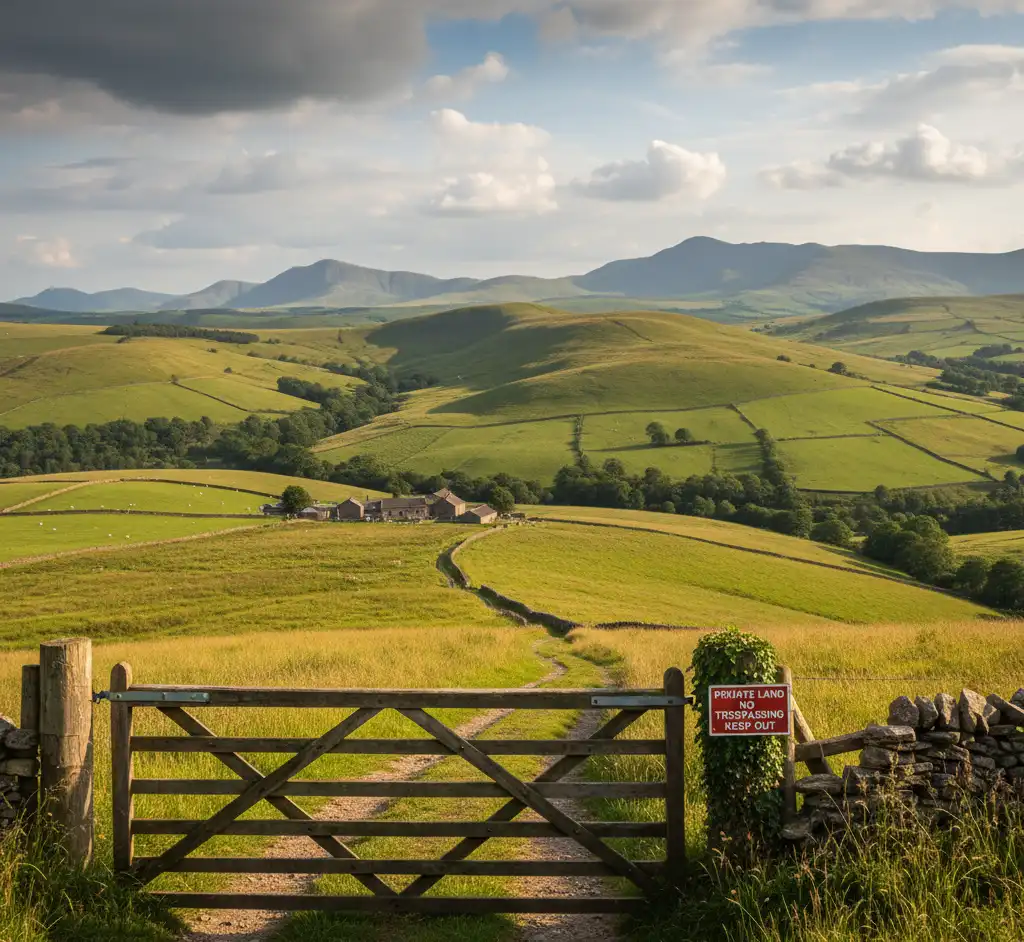
- [Wild camping](/guides/wild-camping) in England and Wales is technically trespass on most land — but trespass is civil, not criminal
- You won't be arrested for pitching a tent, but a landowner can ask you to leave and you must comply
- Dartmoor is the one exception — a statutory right to backpack camp on the commons, confirmed by the Supreme Court on 21 May 2025
The Legal Position
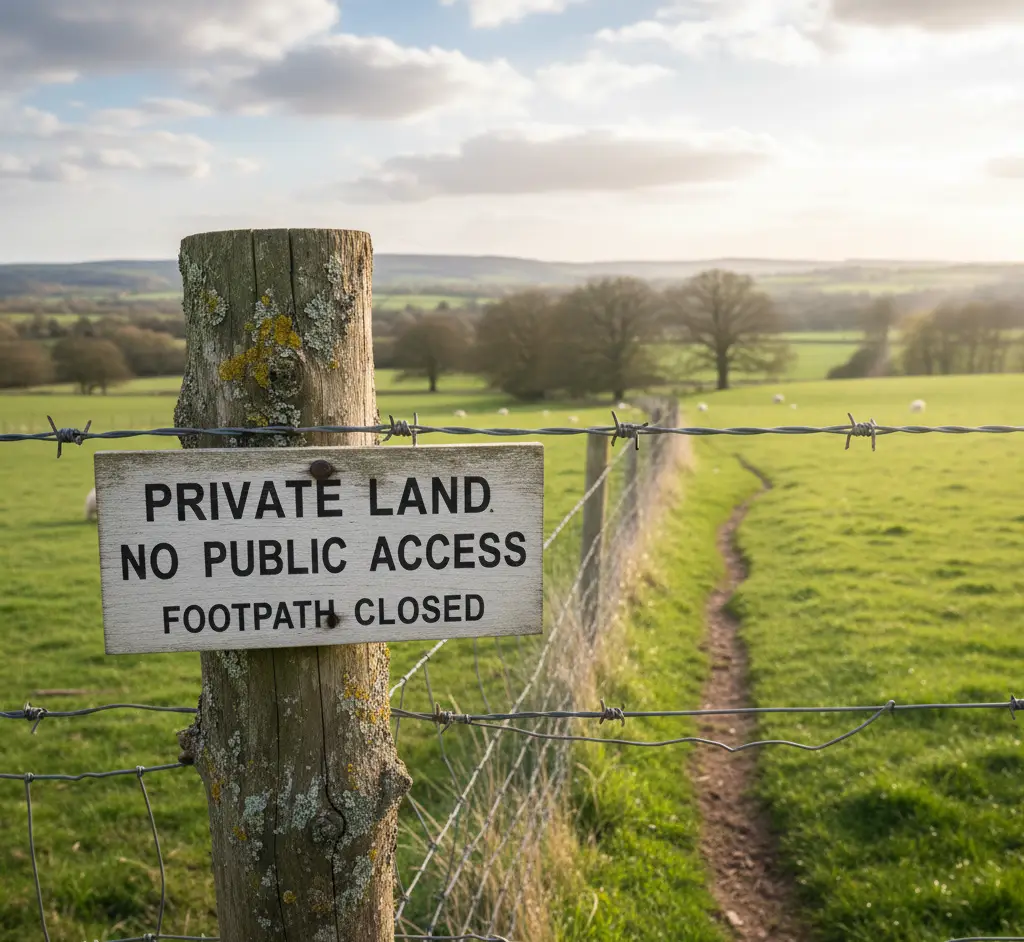
Let's be upfront: wild camping in England and Wales is not legal in the way many people think. Unlike Scotland, there's no statutory right to camp on open land. If you pitch a tent on someone's land without permission, you're committing trespass.
But — and this is the crucial bit — trespass is a civil matter, not a criminal offence. You're not breaking the law in the criminal sense. You're interfering with someone's property rights. The difference matters enormously.
Civil Trespass vs Criminal Offence
When you camp without permission in England or Wales, the landowner (or their agent) can:
- Ask you to leave — and you must go. If you refuse, they can apply to the court for a possession order.
- Sue for damages — in theory, though in practice this almost never happens for a single wild camper who leaves no trace.
What they cannot do:
- Have you arrested (trespass alone isn't criminal)
- Use force to remove you (beyond reasonable measures)
- Confiscate your property
The police generally won't get involved unless there's a related criminal offence (damage, antisocial behaviour, breach of the peace) or unless it amounts to aggravated trespass — which requires you to be intentionally disrupting a lawful activity on the land.
For more on this distinction, see our full trespass law guide.
Where Can You Technically Camp?
With Permission
The simplest legal route: ask the landowner. Farmers, estate managers, and private woodland owners often say yes if you approach politely. Some actively welcome responsible campers. This converts trespass into a licence, and you're fully in the clear.
Common Land
Common land in England and Wales doesn't automatically grant camping rights. You may have a right to walk on common land, but camping is a different matter. Some commons have local bylaws that address camping — check with the relevant local authority.
CRoW Act Access Land
The Countryside and Rights of Way Act 2000 grants a right of access on foot to mapped access land (mountain, moor, heath, down, and registered common land). However, the right of access does not include camping. Section 2(1) of the Act limits access to being "on foot" and for "open-air recreation" — camping overnight goes beyond this.
Dartmoor
Dartmoor National Park is the one exception in England: there is a statutory right to backpack camp on the registered commons under the Dartmoor Commons Act 1985. The right was tested by landowner Alexander Darwall in Darwall v Dartmoor National Park Authority, reinstated by the Court of Appeal in July 2023, and confirmed for good by the Supreme Court on 21 May 2025 when the landowners' appeal was rejected. You must still follow DNPA byelaws — no open fires, no camping near roads, car parks or reservoirs, stay on the commons rather than enclosed farmland. See our full Dartmoor wild camping guide for current rules.
Forestry Commission and Forestry England Land
There's no general right to wild camp on Forestry England land. However, some forests have designated camping areas or tolerate responsible camping in certain spots. Always check locally.
The Reality on the Ground
Here's what actually happens in practice: thousands of people wild camp across England and Wales every year without any issues. Most do it responsibly — they arrive late, leave early, cause no damage, and leave no trace. Landowners and other walkers never know they were there.
The typical problems arise when people:
- Camp in highly visible spots near paths or roads
- Leave rubbish, fire damage, or human waste
- Set up elaborate camps and stay for multiple nights
- Make noise late at night near residential areas
- Camp in large groups
A single well-behaved backpacker pitching a small tent at dusk on remote moorland and leaving at dawn is extremely unlikely to have any problems — even though they're technically trespassing.
The wild camping community talks about "lightweight, one-night" camping for good reason. Pitch late, leave early, leave no trace. This approach minimises any impact and means you'll almost never encounter issues.
National Parks in England and Wales
None of the national parks in England or Wales (except Dartmoor's designated areas) grant a right to wild camp. However, the culture varies:
- Snowdonia (Eryri): Wild camping is tolerated at higher elevations, particularly around mountain summits and remote cwms. Valley bottoms are more sensitive.
- Lake District: High-level wild camping is widely tolerated. The National Park Authority has acknowledged this informally. Low-level camping near roads and lakes causes more friction.
- Brecon Beacons (Bannau Brycheiniog): Similar pattern — remote, high ground is generally tolerated.
- Peak District, Yorkshire Dales, North York Moors: More variable. Some areas are well-known wild camping spots; others are actively managed by estates.
"Tolerated" is the key word. Toleration can be withdrawn, and it's not the same as a legal right.
How to Wild Camp Responsibly
If you choose to wild camp in England and Wales, following these principles reduces your impact and your chances of being asked to move:
- Arrive late, leave early. Pitch after 7pm, be packed up by 9am.
- Choose discreet spots. Away from paths, roads, farms, and houses.
- Use a small, earth-toned tent. A bright orange four-person tent on a hilltop is asking for attention.
- Leave no trace. Pack out everything. All of it. Including food waste.
- No fires unless you have explicit permission. See our campfire law guide.
- No human waste visible. Dig a cathole at least 30 metres from water sources.
- Be friendly if approached. If a landowner asks you to move, do so politely and without argument.
The Future
There are active campaigns to extend access rights in England and Wales, including proposals for a Scottish-style right to wild camp. Organisations like the Right to Roam campaign and various outdoor groups are pushing for legislative change. Whether this happens remains to be seen, but the conversation is ongoing.
For now, the legal position remains: wild camping is trespass, but it's civil trespass, and responsible camping is widely tolerated in many upland and remote areas.
Wild Camping Gear That Keeps You Legal and Low-Impact
The best way to avoid problems while wild camping in England and Wales is to be genuinely lightweight, discreet, and leave no trace. These items support that approach.
Alpkit Hunka Bivvy Bag
Amazon UK345g
Waterproof breathable
220 × 80cm
15 × 8cm
Pros
- +Lower profile than a tent — far more discreet
- +Ultralight for genuine wild camping
- +Waterproof enough for a night out
Cons
- −Condensation builds up on cold nights
- −Less comfortable than a tent
A bivvy bag is the ultimate discreet wild camping shelter. Lower profile than any tent, lighter, and leaves less impact on the ground. Perfect for the 'arrive late, leave early' approach.
View dealAffiliate link — we may earn a small commission at no extra cost to you
Petzl Actik Core Headtorch
Amazon UK600
88g
Rechargeable CORE + AAA backup
IPX4
Pros
- +Essential for arriving late and leaving early
- +Red light mode avoids disturbing wildlife (and drawing attention)
- +Rechargeable with AAA backup
Cons
- −Full brightness drains battery quickly
Arriving after dusk and leaving at dawn is the golden rule of wild camping in England. A reliable headtorch makes this practical rather than stressful.
View dealAffiliate link — we may earn a small commission at no extra cost to you
Exped Fold Drybag (8L)
Amazon UK8 litres
30g
Ripstop nylon
Roll-top
Pros
- +Keeps spare clothes dry in any weather
- +Can double as a rubbish bag for leave-no-trace packing
- +Weighs almost nothing
Cons
- −Not a stuff sack — don't overload it
Pack your rubbish in a dry bag and carry it out. Leave no trace isn't just good practice when you're technically trespassing — it's your best legal protection too.
View dealAffiliate link — we may earn a small commission at no extra cost to you
Related Guides
- Wild camping law in Scotland — where you do have a legal right
- Dartmoor wild camping — the special case
- Campfire law — when fires are legal
- Trespass law — the full picture on civil trespass
Ready to gear up?
Use our kit builder to get a complete packout list tailored to your trip type, terrain, and budget — with prices and buy links.
Related reading
UK Outdoor Law and Safety — Your Complete Practical Guide
A plain-English guide to UK outdoor laws covering wild camping, knife law, foraging, right to roam, drones, and campfires.
Wild Camping Law in Scotland: Your Right to Roam and Camp
Scotland's wild camping rights under the Land Reform Act 2003 and Scottish Outdoor Access Code — what you can do, where you can camp, and your responsibilities.
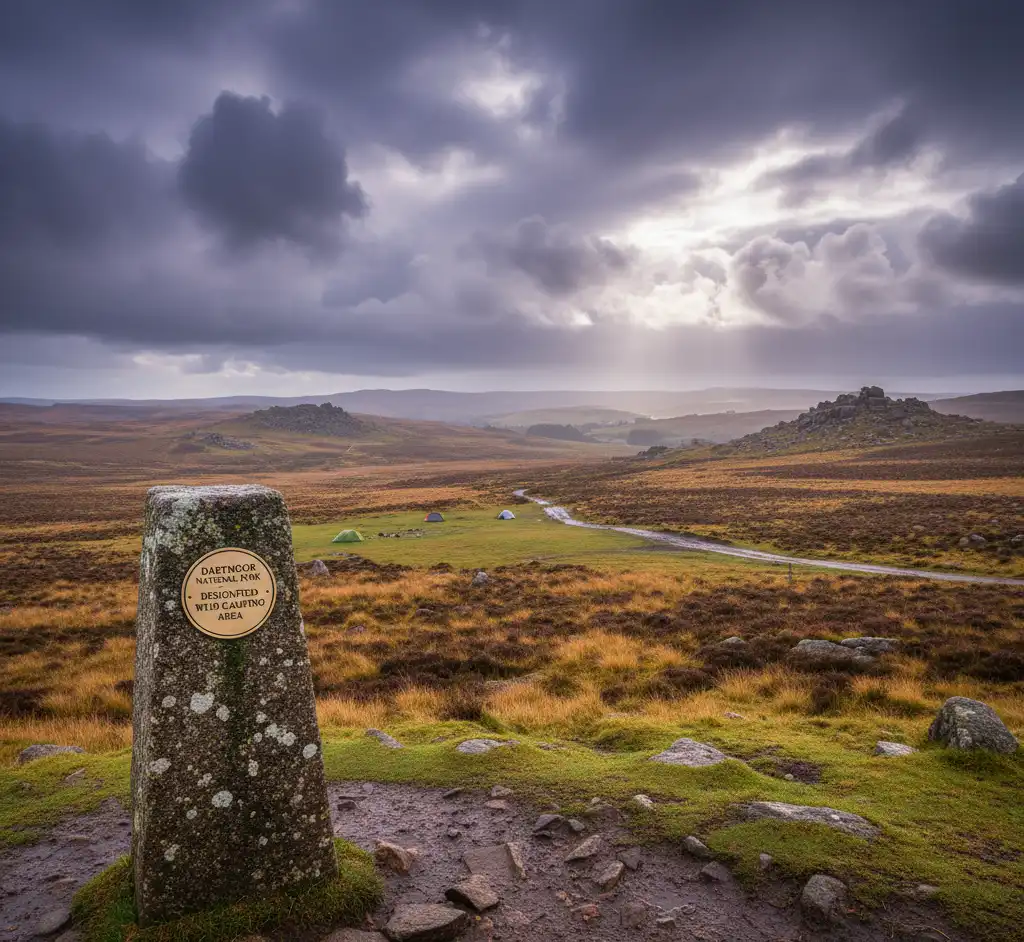
Wild Camping on Dartmoor: The Law After the Supreme Court's 2025 Ruling
The current legal position on wild camping on Dartmoor after the Supreme Court's May 2025 ruling — Dartmoor Commons Act 1985, byelaws, and where you can camp.
Trespass Law in the UK: Civil vs Criminal Trespass Explained
What happens if you trespass in the UK — civil trespass explained, aggravated trespass, and what landowners can and can't do.