This page contains affiliate links. If you purchase through them we may earn a small commission at no extra cost to you. Learn more
Wild Camping Law in Northern Ireland: What You Need to Know
The Legal Position
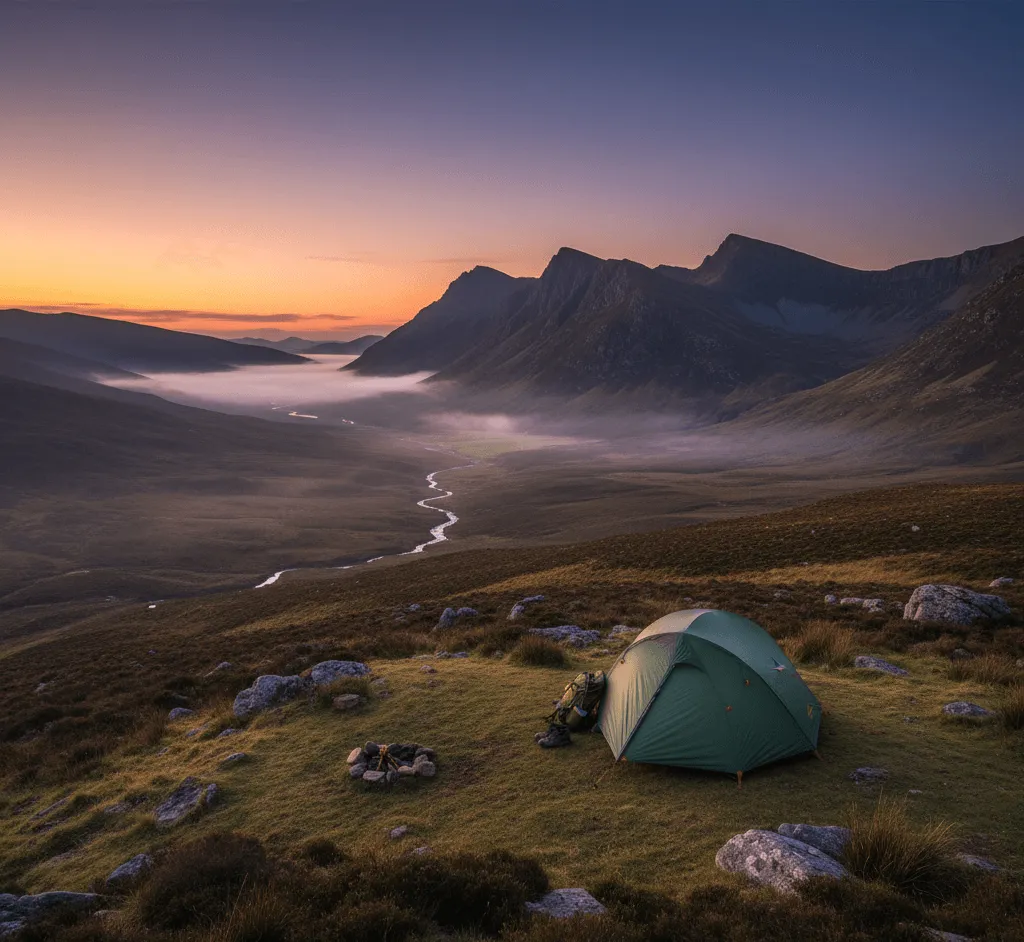
Northern Ireland has no equivalent of Scotland's Land Reform Act or even the limited provisions of England's CRoW Act. There is no statutory right to wild camp, no right to roam, and no specific legislation addressing recreational camping on open land.
Camping on land without the owner's permission is trespass — a civil matter, not criminal. A landowner can ask you to leave and, if you refuse, seek a civil court order. In practice, this almost never happens with discreet wild campers in remote areas. It's a very different situation from pitching a tent in someone's field next to their farmhouse.
Where Wild Camping is Tolerated
Mourne Mountains: The most popular wild camping area in Northern Ireland. The open mountain ground above the Mourne Wall is remote enough that wild camping is widely tolerated. Popular spots include Hare's Gap, the col between Slieve Donard and Slieve Commedagh, and the Ben Crom area. The Mourne Heritage Trust takes a pragmatic approach — leave no trace and you'll have no issues.
Sperrin Mountains: Less visited than the Mournes, the Sperrins offer genuinely remote moorland and mountain camping. Fewer people means less scrutiny, but the same rules apply — camp discreetly on open ground away from farmland.
Antrim Glens and Coast: More populated and agricultural, so wild camping is less straightforward. The high ground above the glens offers possibilities, and Fair Head is a known climbing and camping spot. Stick to obviously uncultivated ground.
Fermanagh Lakelands: Lough Erne's many islands offer unique camping opportunities. Some are accessible by canoe or kayak. Check ownership — many islands are privately owned or managed by RSPB or local councils.
Forest Parks
Forestry NI manages approximately 75,000 hectares of public forest. Wild camping in these forests is not permitted. However, several forest parks operate proper campsites:
- Tollymore Forest Park (Newcastle, Co. Down) — Bookable pitches in a beautiful forest setting at the foot of the Mournes
- Castlewellan Forest Park — Lakeside camping with mountain bike trails
- Gortin Glen Forest Park (Co. Tyrone) — A good base for the Sperrins
These are affordable, well-maintained and legal — a sensible alternative to wild camping for those who want certainty.
Practical Advice for Wild Camping in NI
Pitch late, leave early. Arriving after 7pm and leaving before 9am minimises your visibility and impact. This is standard wild camping etiquette but especially important where you don't have legal protection.
Avoid farmland. Northern Ireland is heavily agricultural. Camping in or near fields with livestock will cause legitimate concern. Stick to open mountain ground, moorland and unenclosed hilltops.
No fires. Northern Ireland's peatlands are fire-sensitive and landowner relations are important. Use a stove. The only exception might be established fire rings on beaches, and even then use good judgement.
Leave no trace. This isn't just etiquette — it's what keeps wild camping tolerated. Every piece of litter, every fire scar, and every damaged fence makes the next person's wild camp less welcome. Pack out everything, including food waste.
Carry ID and be polite. If approached by a landowner, farmer or ranger, be courteous. Explain you're passing through, offer to move if asked, and don't argue about legal rights you don't have. Most encounters end with a friendly conversation and perhaps local knowledge about better spots.
The Access Debate
There have been sustained campaigns for access reform in Northern Ireland. The 2013 Outdoor Recreation Action Plan acknowledged the need for improved access, and various consultations have taken place. Some progress has been made with permissive path agreements and the Ulster Way long-distance route.
However, legislative change has been slow. Unlike Scotland's comprehensive access legislation or even England's partial right to roam on mapped open land, Northern Ireland has no formal framework. The practical situation depends on landowner tolerance and the good behaviour of those using the countryside.
For now, wild camping in Northern Ireland exists in a grey area — technically trespass, practically tolerated in appropriate locations, and entirely dependent on campers behaving responsibly to maintain that tolerance.
Ready to gear up?
Use our kit builder to get a complete packout list tailored to your trip type, terrain, and budget — with prices and buy links.
Related reading
Wild Camping Law in Scotland: Your Right to Roam and Camp
Scotland's wild camping rights under the Land Reform Act 2003 and Scottish Outdoor Access Code — what you can do, where you can camp, and your responsibilities.
Wild Camping Law in England & Wales: What's Actually Legal
The legal position on wild camping in England and Wales — trespass, landowner permission, and how to camp responsibly without getting moved on.
Trespass Law in the UK: Civil vs Criminal Trespass Explained
What happens if you trespass in the UK — civil trespass explained, aggravated trespass, and what landowners can and can't do.
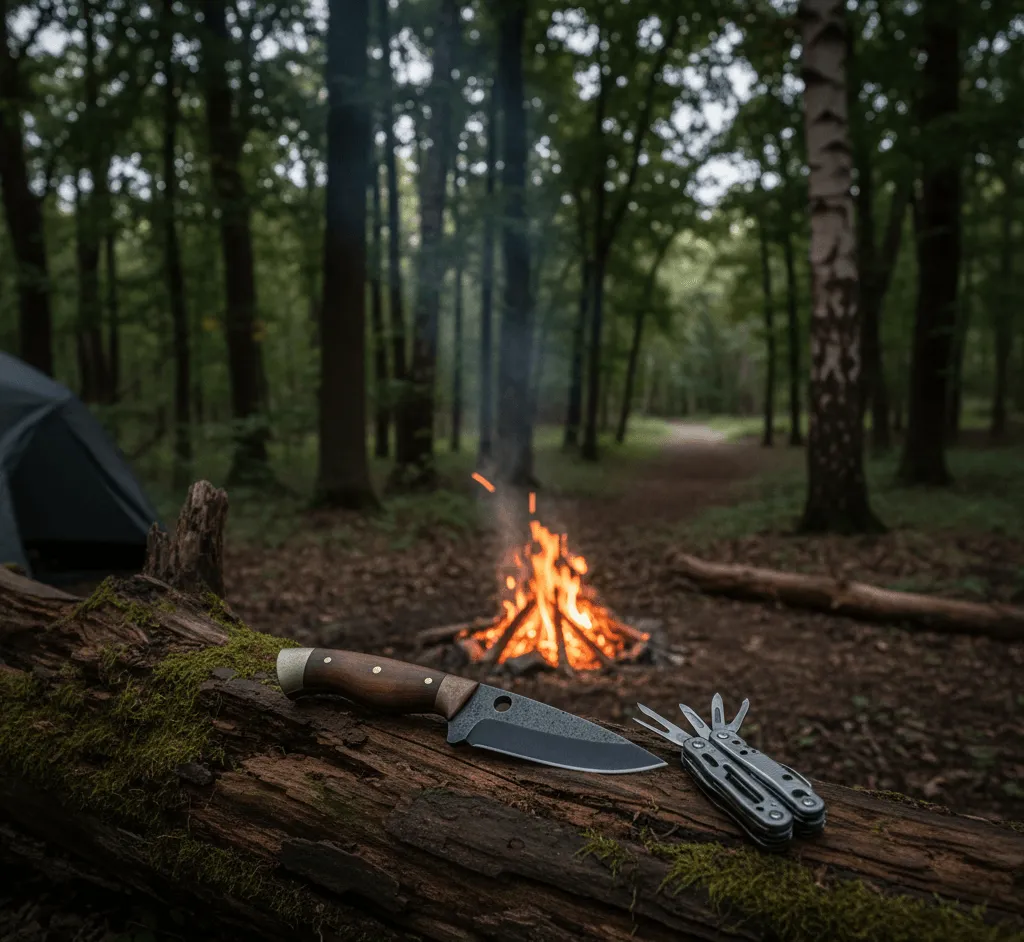
Best Knives and Multitools for UK Camping 2026
Best camping knives, multitools and saws for UK outdoor use in 2026. Fixed blades, folding knives and multitools reviewed across budget, mid-range and premium.