This page contains affiliate links. If you purchase through them we may earn a small commission at no extra cost to you. Learn more
Trespass Law in the UK: Civil vs Criminal Trespass Explained
Legal disclaimer
This is general information, not legal advice. Laws change — verify current legislation before acting on anything you read here.
Quick Summary
- Simple trespass in England and Wales is a civil matter — you won't be arrested just for being on someone's land
- Aggravated trespass — deliberately disrupting a lawful activity — is a criminal offence
- If asked to leave by the landowner, you must do so or risk escalation
The Most Misunderstood Law in the UK
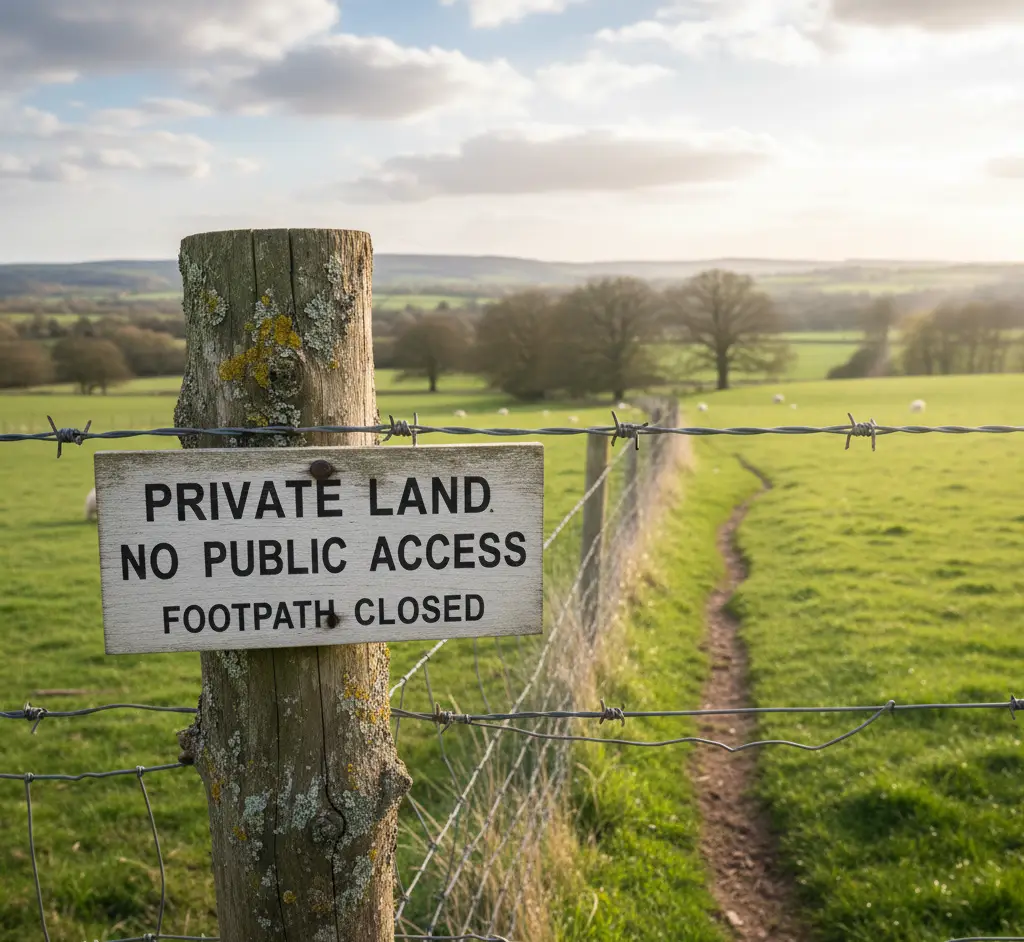
"Trespassers will be prosecuted." You see this sign everywhere. And in the vast majority of cases, it's misleading. Simple trespass in England and Wales is not a criminal offence — it's a civil wrong (a tort). You can't be prosecuted for it in the criminal sense.
This distinction matters enormously for anyone who spends time outdoors, particularly wild campers, walkers who stray from paths, and anyone exploring the countryside.
Civil Trespass
Trespass occurs when you enter or remain on someone's land without permission or legal right. In England and Wales, this is a civil matter between you and the landowner.
What Can the Landowner Do?
If you're trespassing, the landowner (or their authorised representative) can:
- Ask you to leave. If you're asked to leave and you go, that's usually the end of it.
- Use reasonable force to eject you. In practice, this is rare and the level of force must be proportionate.
- Sue for damages. If you've caused actual damage to the land, crops, or property, they can take civil action against you. But if you've caused no damage (you just walked across a field), there's usually nothing to claim for — nominal damages only.
- Seek an injunction. If you're a repeat trespasser, a court order can be obtained to prevent further trespass.
What the Landowner Cannot Do
- Have you arrested for simple trespass (it's not criminal)
- Confiscate your property (your tent, rucksack, etc.)
- Use unreasonable force against you
- Detain you against your will (that's false imprisonment)
What You Should Do
If a landowner asks you to leave:
- Be polite. Apologise, explain you didn't mean to cause any issues.
- Leave promptly. Pack up calmly and go. Don't argue about your rights.
- Leave by the route suggested or the nearest public right of way.
- Don't return to the same spot. Repeated trespass strengthens the landowner's position.
In the real world, most trespass encounters are resolved with a polite conversation. A friendly "sorry, I'll move along" goes a long way. Confrontation helps nobody.
Criminal Trespass
While simple trespass isn't criminal, several forms of trespass are:
Aggravated Trespass
Under Section 68 of the Criminal Justice and Public Order Act 1994, it's a criminal offence to trespass on land and intentionally obstruct, disrupt, or intimidate people engaged in a lawful activity. This was originally aimed at hunt saboteurs but applies more broadly.
The key elements:
- You must be trespassing (on land in the open air)
- There must be a lawful activity taking place on the land
- You must intend to disrupt, obstruct, or intimidate those carrying out the activity
Aggravated trespass carries a penalty of up to 3 months' imprisonment or a fine.
Trespass on Railway Land
It's a criminal offence under the Railway Regulation Act 1840 and the British Transport Commission Act 1949 to trespass on railway property. This is taken very seriously — people on railway lines risk death and cause massive disruption.
Trespass on Protected Sites
The Serious Organised Crime and Police Act 2005 makes it a criminal offence to trespass on designated protected sites (military bases, royal palaces, nuclear installations, etc.).
Squatting in Residential Buildings
Since 2012, squatting in a residential building has been a criminal offence under Section 144 of the Legal Aid, Sentencing and Punishment of Offenders Act 2012.
Scotland
Scottish trespass law is different. Thanks to the Land Reform (Scotland) Act 2003, there's a broad right of responsible access to most land. However, trespass still exists in Scots law where you're not exercising access rights responsibly.
The key difference: in Scotland, you're less likely to be trespassing in the first place because of the right of access. But if you're doing something irresponsible — camping next to someone's house, lighting fires carelessly, leaving litter — you may lose the protection of the access rights.
Those "Private Property" Signs
A few things about signage:
- "Trespassers will be prosecuted" — usually misleading. Simple trespass can't be prosecuted criminally.
- "Private property — keep out" — indicates you don't have permission, but doesn't change the civil nature of trespass.
- "Access land" signs — mean you do have a legal right of access under the CRoW Act.
However, "MOD property — trespassers will be prosecuted" on military land is accurate — trespass on protected sites is criminal.
Practical Considerations
For outdoor enthusiasts, trespass law comes up most often in the context of:
- Wild camping — pitching on private land without permission is trespass, but it's civil. See our wild camping guide.
- Straying from paths — leaving a public right of way onto private land is trespass, but again, civil.
- Crossing private land — if there's no right of way, you're trespassing. But if you cause no damage and leave when asked, the consequences are minimal.
The practical reality is that most landowners are reasonable. If you're respectful, cause no damage, and leave when asked, legal action is extremely unlikely. The system largely works on mutual respect and common sense.
Staying on the Right Side of the Law
For most outdoor enthusiasts, the practical takeaway from trespass law is this: know where you have a right to be, and when you don't, behave impeccably. Civil trespass rarely causes problems for people who are respectful, low-impact, and willing to move when asked.
Understanding trespass law isn't about finding loopholes — it's about knowing where you stand so you can make informed decisions about where you go and how you behave when you get there. The UK countryside is full of brilliant places to explore legally, from access land and public rights of way to permissive paths and land with willing landowners. Use them.
Useful Kit for Responsible Countryside Access
Ordnance Survey Explorer Map (1:25,000)
Amazon UK1:25,000
Varies by sheet
Rights of way, access land, boundaries
Paper (Active versions are waterproof)
Pros
- +Shows public rights of way, access land, and boundaries clearly
- +Helps you stay on legal routes
- +No battery required
Cons
- −Paper versions aren't waterproof
The best way to stay off private land unintentionally. OS Explorer maps show every public right of way and access land boundary, so you always know where you have a legal right to be.
View dealAffiliate link — we may earn a small commission at no extra cost to you
Petzl Tikkina Headtorch
Amazon UK300
81g
3× AAA
IPX4
Pros
- +Reliable and lightweight
- +Standard AAA batteries — available everywhere
- +Simple three-mode operation
Cons
- −Not rechargeable
Carry one on every walk. If you inadvertently end up somewhere you shouldn't be at dusk, a headtorch means you can find your way back to a public right of way safely.
View dealAffiliate link — we may earn a small commission at no extra cost to you
Related Guides
Ready to gear up?
Use our kit builder to get a complete packout list tailored to your trip type, terrain, and budget — with prices and buy links.
Related reading
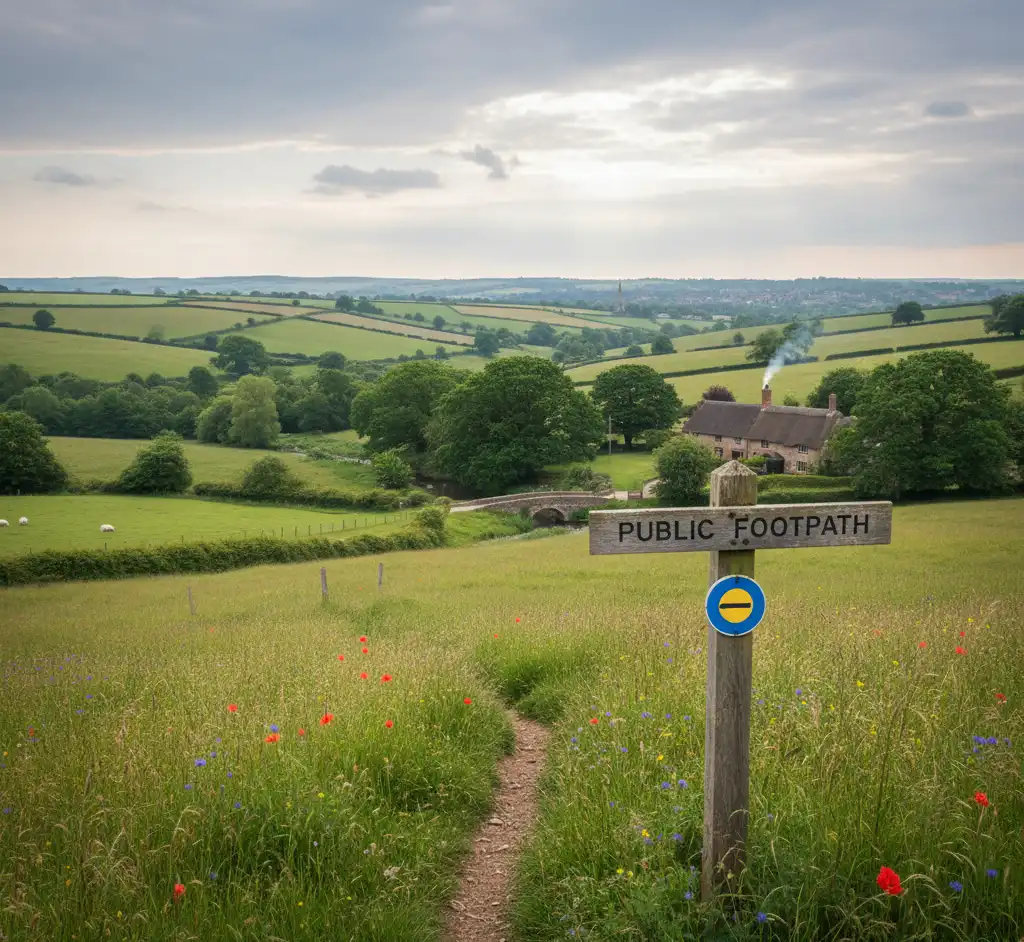
UK Outdoor Law and Safety — Your Complete Practical Guide
A plain-English guide to UK outdoor laws covering wild camping, knife law, foraging, right to roam, drones, and campfires.
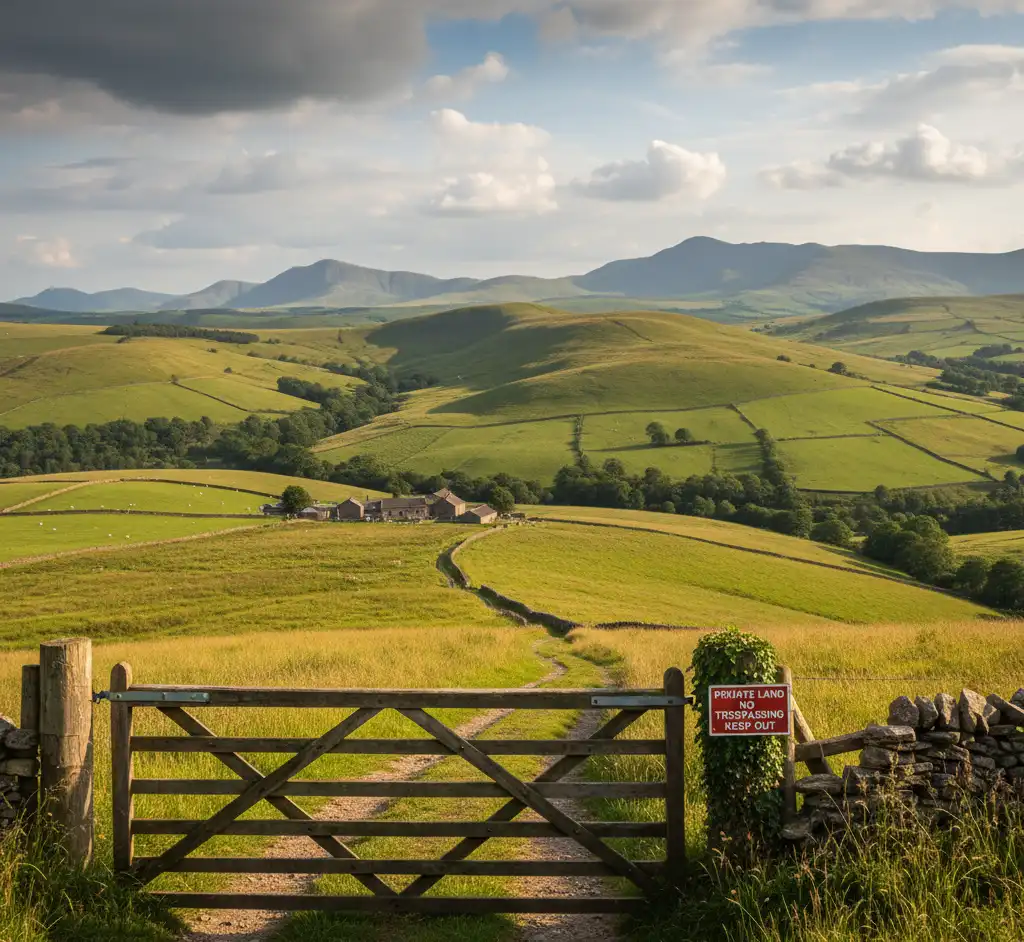
Wild Camping Law in England & Wales: What's Actually Legal
The legal position on wild camping in England and Wales — trespass, landowner permission, and how to camp responsibly without getting moved on.
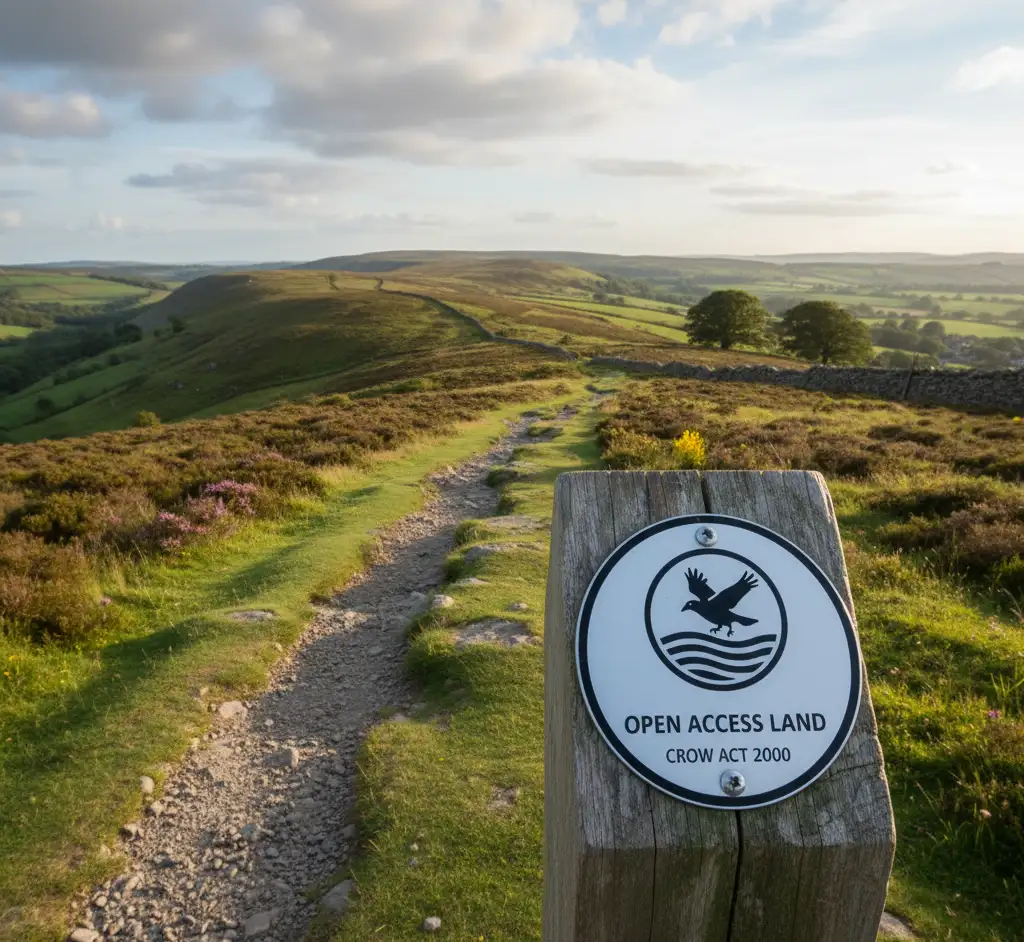
Right to Roam in the UK: CRoW Act and Access Rights Explained
What the Countryside and Rights of Way Act 2000 actually lets you do, where access land is, and how Scottish access rights differ.
Best Outdoor Safety Gear for UK Hikers and Campers 2026
Best first aid kits, fire starters and emergency safety gear for UK outdoor adventures in 2026. Tested and compared for hikers and campers.