This page contains affiliate links. If you purchase through them we may earn a small commission at no extra cost to you. Learn more
Free Camping in the UK — Every Legal Option and Wild Spot
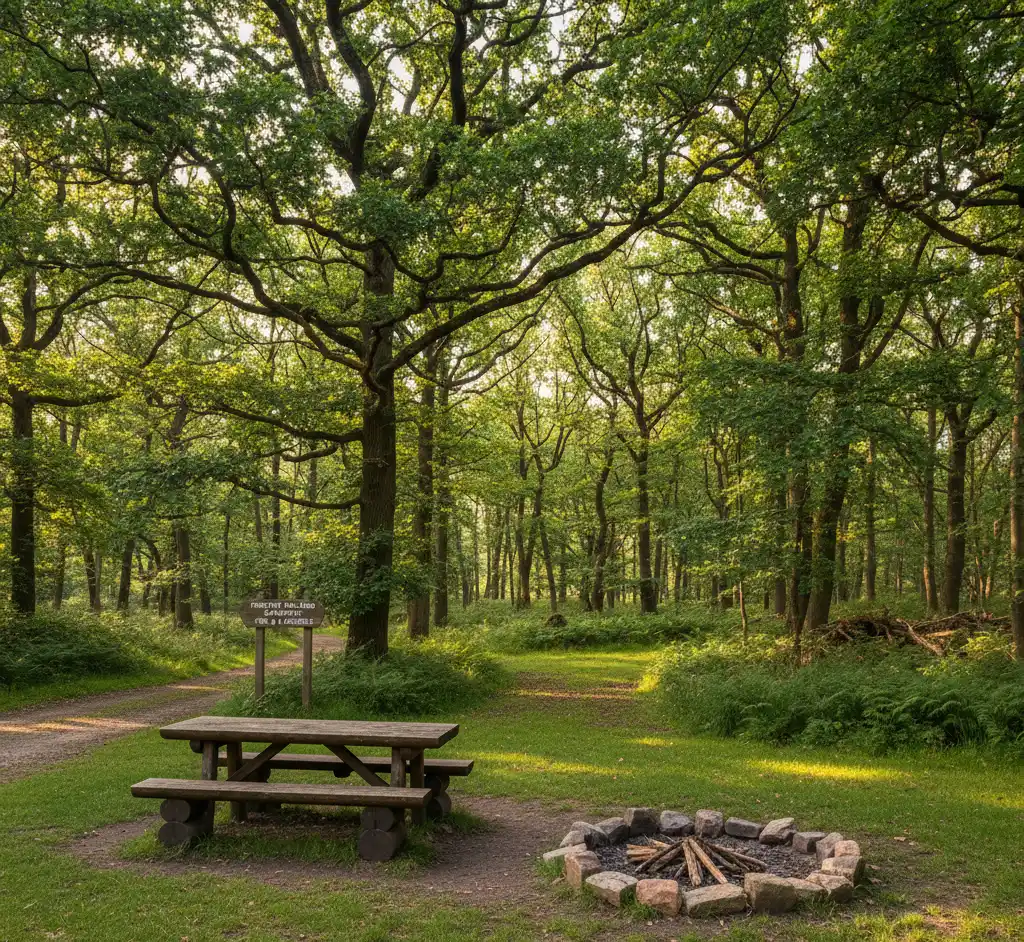
Free Camping in the UK — Every Legal Option
Camping doesn't have to cost anything. Across the UK, there are legitimate, legal (or at least tolerated) ways to sleep outdoors without paying a penny. You won't get a hot shower or an electric hook-up, but you will get something better — genuine outdoor experiences in some of the most beautiful parts of the country.
Scotland — The Full Right to Roam
Scotland is the headline act for free camping in the UK. The Land Reform (Scotland) Act 2003 gives everyone a right to camp on most land, provided you:
- Camp in small numbers
- Stay no more than two or three nights in one spot
- Avoid enclosed fields, near buildings, and where you'd cause damage
- Leave no trace
- Follow the Scottish Outdoor Access Code
This covers the entire country — Highlands, Lowlands, islands, coast. It's a genuine, statutory right, not just tolerance.
Exceptions:
- Camping management zones (around Loch Lomond and parts of the Trossachs) require permits during the managed season
- Land near houses and gardens
- Enclosed fields with crops or livestock
For more detail, see our Scottish Highlands guide and Scottish Islands guide.
Dartmoor — England's Exception
Dartmoor has historically been the only place in England where wild camping had a legal right. Following legal challenges and new bylaws, the situation has changed — but designated areas for wild camping remain.
Check the Dartmoor National Park Authority website for current designated areas and rules. The camping is backpack-only, small tents, no fires, and leave no trace.
See our Dartmoor guide for full details.
Bothies
Bothies are unlocked shelters — usually old farm buildings or estate cottages — maintained by volunteers and available for free overnight use. They're a brilliant option for free accommodation in wild places.
The Mountain Bothies Association (MBA) maintains around 100 bothies across Scotland, northern England, and Wales. They're basic — four walls, a roof, maybe a fireplace — but they're free and they're in extraordinary locations.
Bothy etiquette:
- First come, first served — no booking
- Leave them cleaner than you found them
- Carry out all rubbish
- Don't stay more than two nights
- Don't leave food or gear behind
See our complete bothies guide for more.
Bothies are genuinely one of the UK's best outdoor secrets. A night in a remote bothy — just you, a candle, and the sound of the wind — is an experience you'll never forget. And it's completely free.
Forestry Land
Forestry and Land Scotland
Some Forestry and Land Scotland sites offer free or very low-cost camping in designated areas. These are typically basic — a flat area with maybe a composting toilet.
Check their website for current camping provision. Rules and availability change.
Forestry England
Forestry England manages vast areas of woodland across England. Official camping on Forestry England land requires using their campsites (which aren't free). However, some areas have a long tradition of informal camping.
Forestry England's position on wild camping varies by forest and situation. Contact the local office if you're unsure.
Natural Resources Wales
Similar situation to England — official camping requires their campsites. Informal camping in remote forest areas happens but isn't officially sanctioned.
Tolerated Wild Camping in England and Wales
While technically trespass, responsible wild camping is tolerated in several areas:
Areas with Strong Tolerance
- Lake District high fells — above the intake wall, away from habitation
- Snowdonia high ground — mountain tops and ridges
- Brecon Beacons high ground — above the farmland
- Yorkshire Dales moorland — remote open ground
- Peak District Dark Peak — high moorland
- North Pennines — remote moorland
- Northumberland — Cheviot Hills and remote moorland
What "Tolerated" Means
- It's not legal — you're technically trespassing
- Trespass in England and Wales is civil, not criminal — you can't be arrested for it
- You can be asked to leave — and you should comply politely
- Tolerance depends entirely on responsible behaviour
- Camp high, pitch late, leave early, leave no trace
Landowner Permission
The simplest legal route in England and Wales: ask the landowner. Many farmers and landowners are happy to let responsible campers use their land, especially if you:
- Ask politely in advance
- Explain where you'd like to camp
- Offer to leave the spot in perfect condition
- Keep numbers small
- Offer to pay (many will refuse, but the offer matters)
Finding the landowner isn't always easy, but for farmland it's usually obvious — knock on the farmhouse door. For larger estates, check the Land Registry or ask locally.
Community Spaces
Some communities have created designated free or low-cost camping:
- Long-distance trail camping — some trails have designated camping spots
- Community land — occasionally, community-owned land has camping provision
- Church land — some churches allow camping in their grounds for walkers
These are rare and informal, so research carefully for your specific route or area.
Bivvying
Sleeping under a bivvy bag (without a tent) is less visible and less intrusive than a tent. Some people find bivvying is more accepted than tent camping, particularly in areas where wild camping is borderline.
A bivvy bag, sleeping mat, and sleeping bag — possibly with a small tarp overhead — gives you a functional overnight camp with a very small footprint.
"Free camping" doesn't mean "camp anywhere you want." Even where wild camping is legal or tolerated, you must follow the rules — leave no trace, camp away from habitation, and respect the land. Free access is a privilege that requires responsibility.
What About Car Camping?
Sleeping in your car (or van) is different from wild camping:
- Parking overnight on public roads is generally legal but check for restrictions
- Some car parks explicitly prohibit overnight stays
- Private land (including most car parks) requires the landowner's permission
- Some laybys and car parks are used for overnight stops — check local rules
- This isn't really "camping" in the traditional sense, but it is a free accommodation option
Tips for Free Camping
- Be self-sufficient — carry everything you need including water
- Leave no trace — this applies even more when you're camping for free. You're a guest.
- Be discreet — draw less attention to yourself
- Carry a trowel — no facilities means managing your own waste
- Arrive late, leave early — the classic wild camping approach
- Support local communities — buy food at local shops, drink at local pubs. You're camping for free, so spend money in the community
- Say thank you — if a landowner gives you permission, thank them and leave the spot better than you found it
Recommended Budget Kit for Free Camping
Free camping means being fully self-sufficient. These affordable items cover the basics.
Vango Nevis 200 Tent
Amazon UK2.5kg
2
3
42 x 14cm
Pros
- +The camping is free, so spend a bit on the tent
- +Muted green colour suits discreet pitching
- +Three-season covers most free camping situations
Cons
- −Not the lightest for long approaches
When you're not paying for a pitch, invest in a reliable tent instead. This one handles UK conditions well at a budget price.
View dealAffiliate link — we may earn a small commission at no extra cost to you
Sawyer Squeeze Water Filter
Amazon UK85g
1.7 litres per minute
0.1 micron hollow fibre
Up to 400,000 litres
Pros
- +Free camping means no taps — you need water from streams
- +Lightweight and fast-flowing
- +One filter lasts thousands of trips
Cons
- −Peaty Highland water can clog the filter
No campsite means no tap water. A filter lets you refill from streams safely — essential kit for self-sufficient free camping.
View dealAffiliate link — we may earn a small commission at no extra cost to you
Free camping is one of the great freedoms of outdoor life. It's available, it's legal (or at least tolerated) in many places, and it connects you to the landscape in a way that paid camping can't match. Just do it responsibly, and it'll be there for the next person too.
Ready to gear up?
Use our kit builder to get a complete packout list tailored to your trip type, terrain, and budget — with prices and buy links.
Related reading
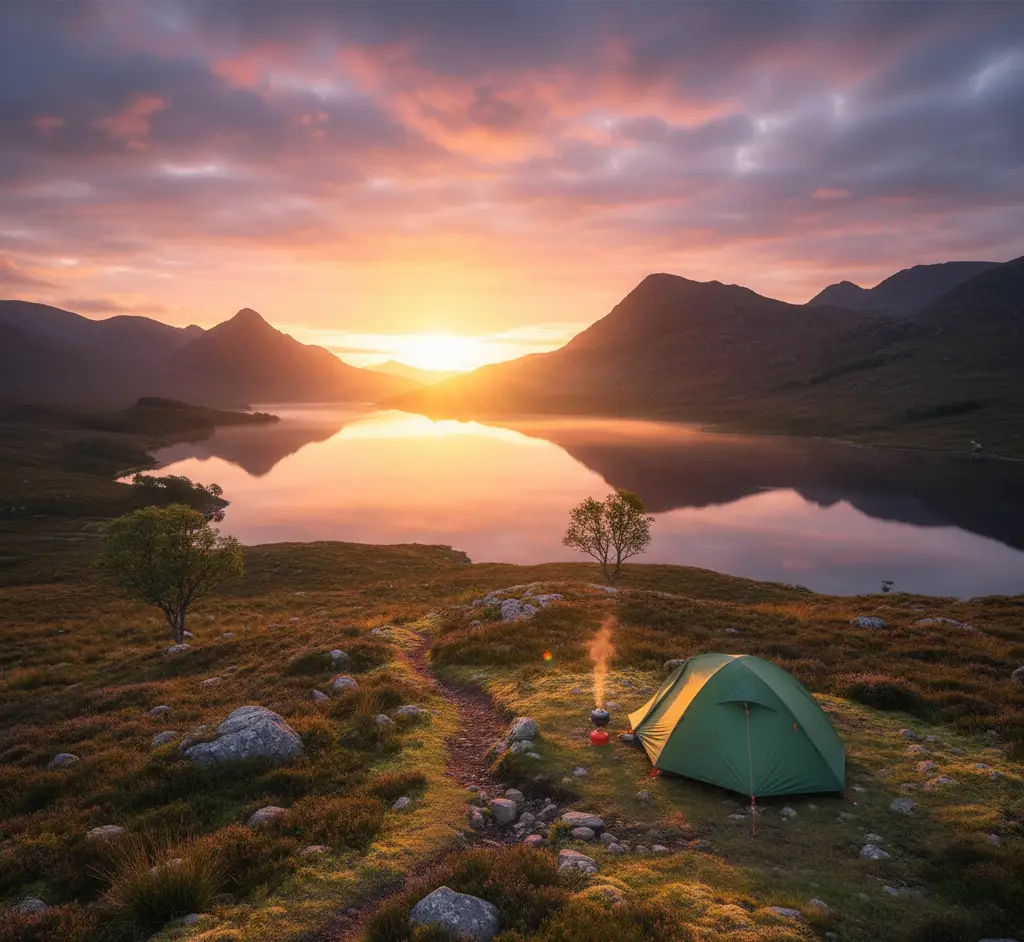
Wild Camping & Campsites in the UK — The Complete Guide
Everything you need to know about wild camping in the UK — where it's legal, where it's tolerated, and how to do it responsibly.
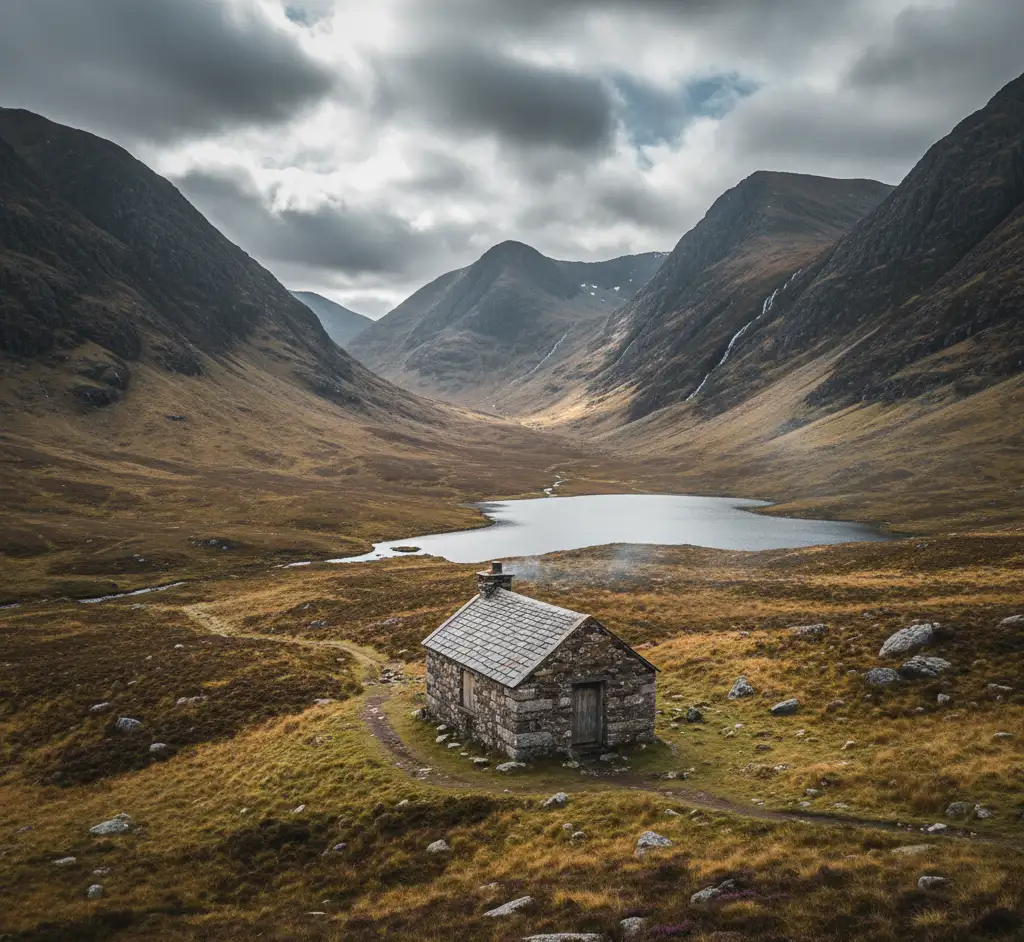
Bothies Guide — Free Mountain Shelters Across the UK
Everything you need to know about bothies in the UK — what they are, how to find them, bothy etiquette, and some of the best ones to visit.
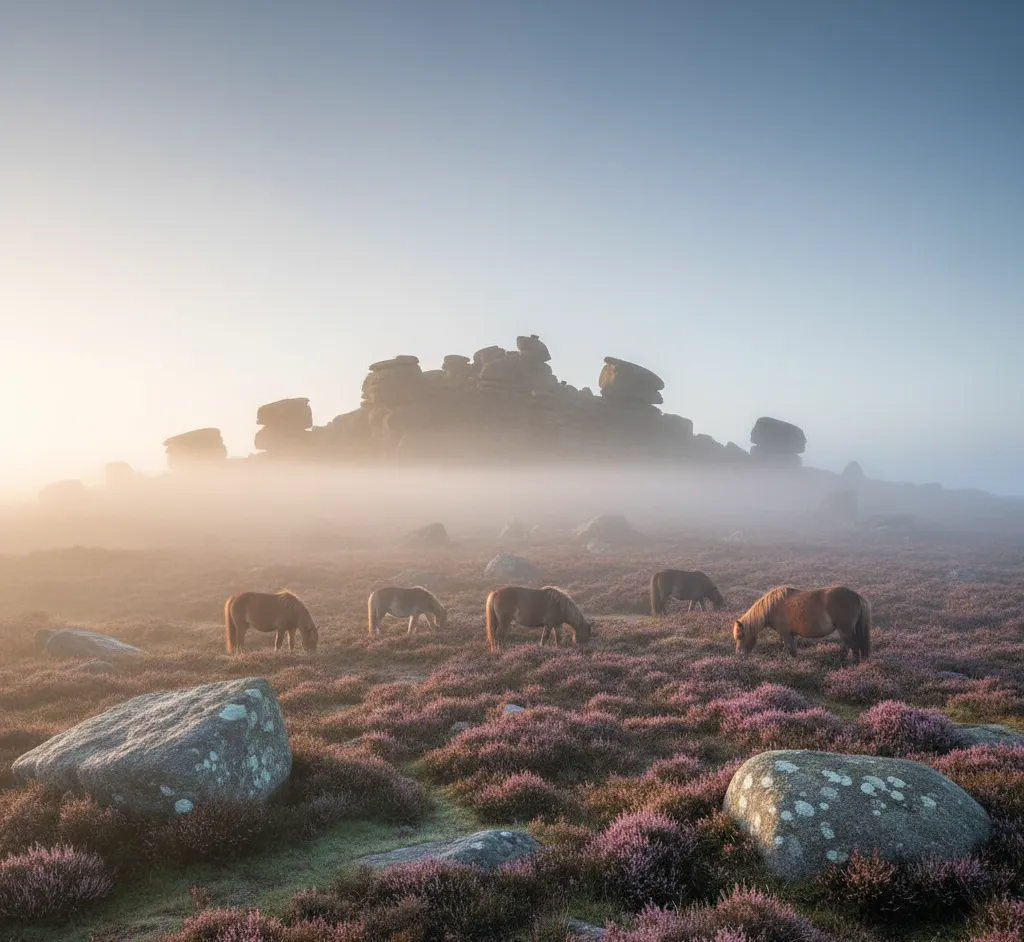
Best Wild Camping on Dartmoor — Spots, Rules and Advice
A guide to wild camping on Dartmoor — the only place in England with a statutory right to backpack camp, confirmed by the Supreme Court in May 2025. Includes current byelaws, permitted areas, and best camping spots.
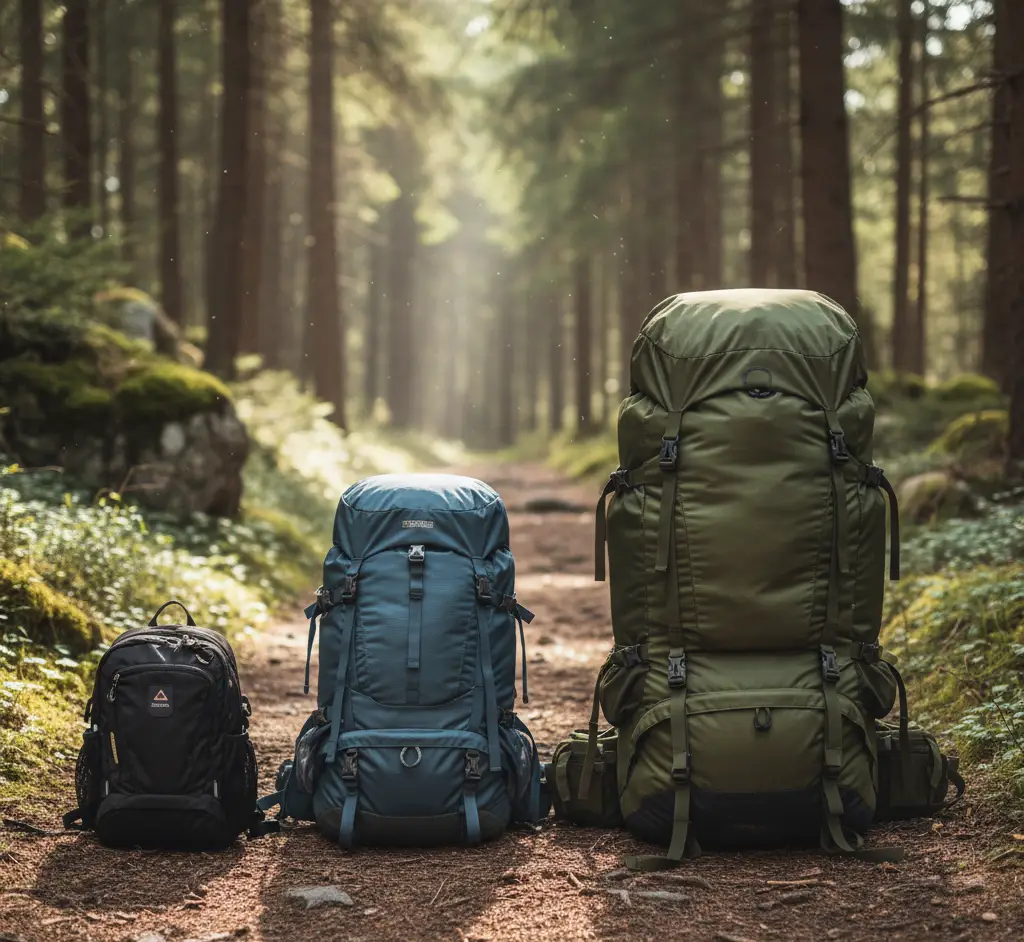
Best Rucksacks for Hiking and Wild Camping UK 2026
Best rucksacks and backpacks for hiking and camping in the UK 2026. Day packs to multi-day expedition rucksacks compared.