This page contains affiliate links. If you purchase through them we may earn a small commission at no extra cost to you. Learn more
Best Wild Camping on Dartmoor — Spots, Rules and Advice
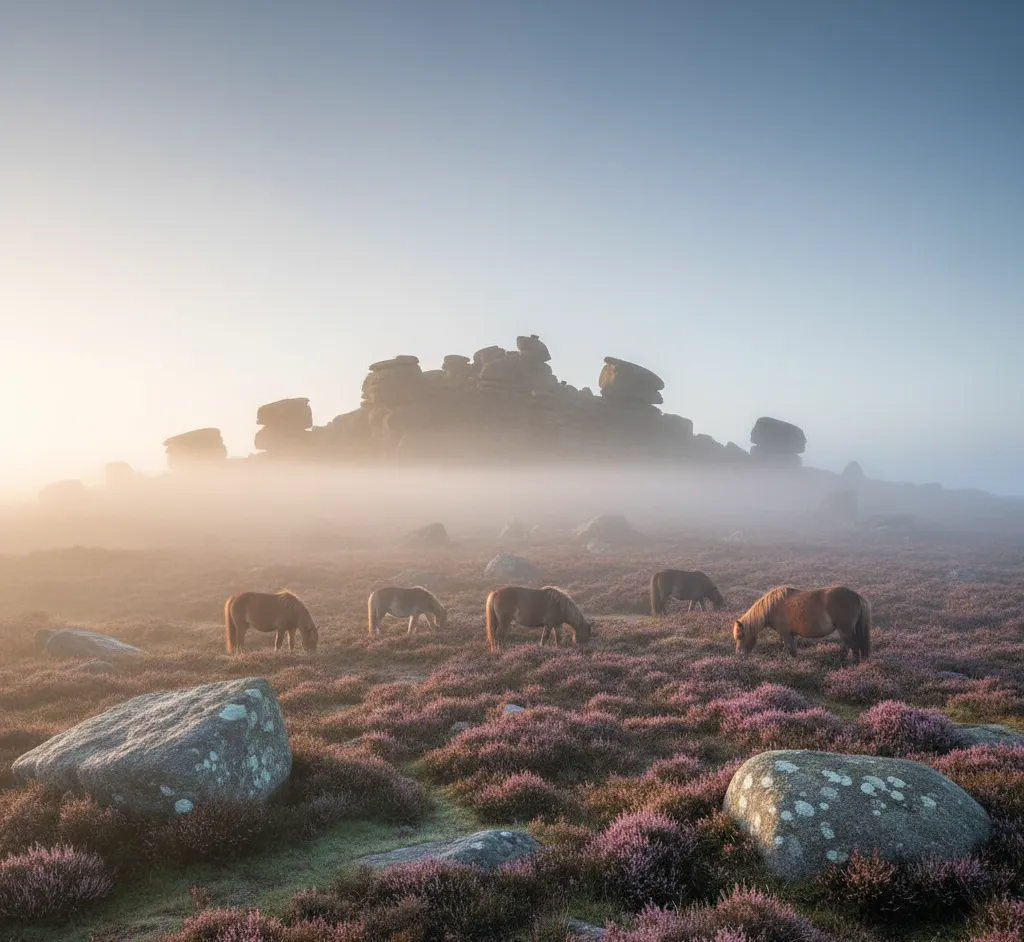
Best Wild Camping on Dartmoor
Dartmoor holds a unique position in England — it is the only place in the country with a statutory right to backpack camp on common land, a right confirmed by the Supreme Court on 21 May 2025 after a prolonged legal challenge. Combine that with some of the most dramatic open moorland in southern England and Dartmoor is one of the best places anywhere in the UK to spend a night under the stars.
The Legal Situation
Dartmoor is the only National Park in England where the public has a statutory right to backpack camp on common land without needing the landowner's prior permission. That right is grounded in the Dartmoor Commons Act 1985, which grants the public access to the registered commons (roughly 36,000 hectares of open moorland) for "open-air recreation" — a phrase the courts have held to include backpack camping.
The right survived a four-year legal challenge known publicly as Cherry v Dartmoor NPA (formally Darwall v Dartmoor National Park Authority):
- January 2023 — The High Court ruled in favour of the landowners, removing the right to camp overnight
- July 2023 — The Court of Appeal reversed the ruling and reinstated the right
- 21 May 2025 — The Supreme Court rejected the landowners' final appeal, confirming for good that backpack camping falls within the public's right of access under the 1985 Act
So as of today, Dartmoor wild camping is on the firmest legal footing it has ever been. The Supreme Court ruling is final — there is no further appeal route in UK law.
You must still comply with DNPA byelaws. These restrict camping near roads, car parks, reservoirs, residential land, and certain enclosed areas. The DNPA publishes an official permitted-camping map; check it before every trip.
"Legal" does not mean "anywhere." The Dartmoor Commons Act right only applies to the registered commons — roughly the open moor. Camping on enclosed farmland or private land without permission is still trespass. Always check the DNPA permitted-camping map.
Where to Camp
The High Moor
The heart of Dartmoor — the high, open moorland above the enclosed farmland — is where wild camping is most appropriate and most likely to be within permitted areas. This is classic Dartmoor: rolling peat bog, granite tors, and enormous skies.
The high moor around Yes Tor and High Willhays (Dartmoor's highest points) offers exposed but spectacular camping. Shelter is limited, so choose spots in the lee of tors.
The Northern Moor
The northern section of Dartmoor feels wilder and emptier than the south. Fewer roads cross it, fewer visitors reach it, and the terrain is rougher.
Areas around the northern tors offer classic Dartmoor camping — granite outcrops providing natural windbreaks and a sense of place that's hard to beat.
Note: Parts of the northern moor overlap with military firing ranges. Check firing times before heading out — these are published on the Dartmoor National Park website.
The Southern Moor
The southern moor is generally lower and more accessible. River valleys cut through the landscape, offering more sheltered camping than the exposed high ground.
Some of the permitted camping areas include sections of the southern moor, but always verify the current map of designated areas.
Near the Tors
Dartmoor's granite tors are iconic — weathered rock formations that punctuate the skyline. Many offer natural shelter from wind and rain, making them popular camping spots.
Camping in the lee of a tor, with the granite blocking the prevailing wind, is classic Dartmoor wild camping. Just make sure you're in a permitted area.
Dartmoor's tors make excellent natural windbreaks. Setting up on the sheltered side of a tor can make the difference between a comfortable night and a miserable one.
Conditions and Challenges
Weather
Dartmoor is one of the wettest and windiest parts of southern England. The moor sits at altitude and catches weather systems coming off the Atlantic. Expect:
- Rain at any time of year
- Strong winds, especially on exposed high ground
- Fog that can descend rapidly and reduce visibility to metres
- Lower temperatures than surrounding lowlands — typically 3-5°C cooler
Navigation
Dartmoor in fog is genuinely challenging to navigate. The terrain is featureless moorland with few obvious landmarks. A map and compass are essential — don't rely solely on phone GPS.
Military firing ranges add another navigation consideration. Know where they are and check firing times.
Terrain
The moor is boggy. Very boggy in places. Peat hags, tussock grass, and hidden streams make walking hard work. Waterproof boots and gaiters are strongly recommended.
Finding flat, dry ground for a tent can be tricky. Look for slightly raised ground near tors or on well-drained slopes.
Seasonal Guide
Spring: Warming up, longer days, wildflowers appearing. Lambing season — keep dogs on leads and away from livestock.
Summer: Warmest and driest, but Dartmoor can still throw rain at you. Longest days for evening walks to your camping spot. Busiest period.
Autumn: Beautiful colours, particularly the bracken turning gold. Wetter and windier. Shorter days but stunning light.
Winter: Cold, wet, windy, and dark. Dartmoor in winter is bleak but atmospheric. Short days mean you need to plan your walk in carefully. Genuine winter camping experience without going to Scotland.
The Rules
The Supreme Court's May 2025 ruling confirmed the right to backpack camp on the Dartmoor commons, but DNPA byelaws still govern the specifics:
- Backpack camping only — you must be able to carry everything on your back
- Small tents only — no large family tents or base camps
- One or two nights maximum in any single location
- No open fires anywhere on the commons — use a gas stove
- No vehicles — walk in, walk out
- Camp on the commons, not enclosed farmland — check the DNPA permitted-camping map
- Stay clear of roads, car parks, reservoirs, residential land, and military firing ranges
- Leave no trace — pack out all rubbish, including food waste
- Respect archaeological sites — Dartmoor has significant Bronze Age remains under statutory protection
Recent Park News
A few 2024–2025 updates worth knowing before you plan a trip:
- New DNPA chief executive — Tom Surrey took over in December 2025, signalling continuity on the camping-access front rather than any policy shift
- Buckfastleigh Moor — acquired into DNPA care in July 2024, adding to the protected commons footprint
- Dartmoor Futures — an independent charitable foundation launched in July 2024 to fund moor conservation and access work; worth supporting if you use the moor regularly
- Princetown Visitor Centre — closed in October 2025, so plan supplies and shelter accordingly if Princetown is your base town
Getting There
Dartmoor is in Devon, accessible from the M5 and A38. The towns of Okehampton, Tavistock, and Ashburton sit around the moor's edges. Public transport exists but is limited — a car is much more practical for reaching starting points.
Kit Considerations
Standard wild camping kit plus:
- Waterproof boots — the bog demands them
- Gaiters — highly recommended
- Walking poles — helpful on rough, boggy ground
- Extra water — streams are available but the peat-stained water benefits from filtering
- Warm layers — the moor is exposed and temperatures drop quickly
Recommended Gear for Dartmoor
Dartmoor's bog, wind, and rain demand specific kit. These items will make your Dartmoor camp significantly more comfortable.
Vango Nevis 200 Tent
Amazon UK2.5kg
2
3
42 x 14cm
Pros
- +Handles Dartmoor wind well for the price
- +Easy to pitch behind a tor
- +Two-person gives room for wet gear
Cons
- −Not the lightest for long bog crossings
A solid budget tent that'll handle a night behind a Dartmoor tor without issues. Great value for beginners.
View dealAffiliate link — we may earn a small commission at no extra cost to you
Berghaus Hillmaster II GTX Walking Boots
Amazon UKGore-Tex
High cut
Vibram
680g per boot
Pros
- +Genuinely waterproof for Dartmoor bogs
- +High ankle support on rough ground
- +Vibram sole grips well on wet granite
Cons
- −Heavier than trail shoes
- −Break-in period needed
Dartmoor's bogs demand proper waterproof boots. These handle the wettest conditions and provide ankle support on rough terrain.
View dealAffiliate link — we may earn a small commission at no extra cost to you
Dartmoor is a special place for wild camping. The ongoing legal situation makes it even more important to camp responsibly — every bad experience reported makes it harder to protect access for the future.
Ready to gear up?
Use our kit builder to get a complete packout list tailored to your trip type, terrain, and budget — with prices and buy links.
Related reading
Wild Camping & Campsites in the UK — The Complete Guide
Everything you need to know about wild camping in the UK — where it's legal, where it's tolerated, and how to do it responsibly.
Free Camping in the UK — Every Legal Option and Wild Spot
All the ways to camp for free legally in the UK — from Scotland's right to roam to bothies, Forestry land, and designated wild camping areas.
Beginner's Guide to Wild Camping in the UK — Getting Started
A complete step-by-step guide to wild camping for first-timers — what you need, how to find a spot, and how to have a brilliant first night outdoors.
Best Rucksacks for Hiking and Wild Camping UK 2026
Best rucksacks and backpacks for hiking and camping in the UK 2026. Day packs to multi-day expedition rucksacks compared.