This page contains affiliate links. If you purchase through them we may earn a small commission at no extra cost to you. Learn more
How to Choose a Campsite — What to Look For Before Booking
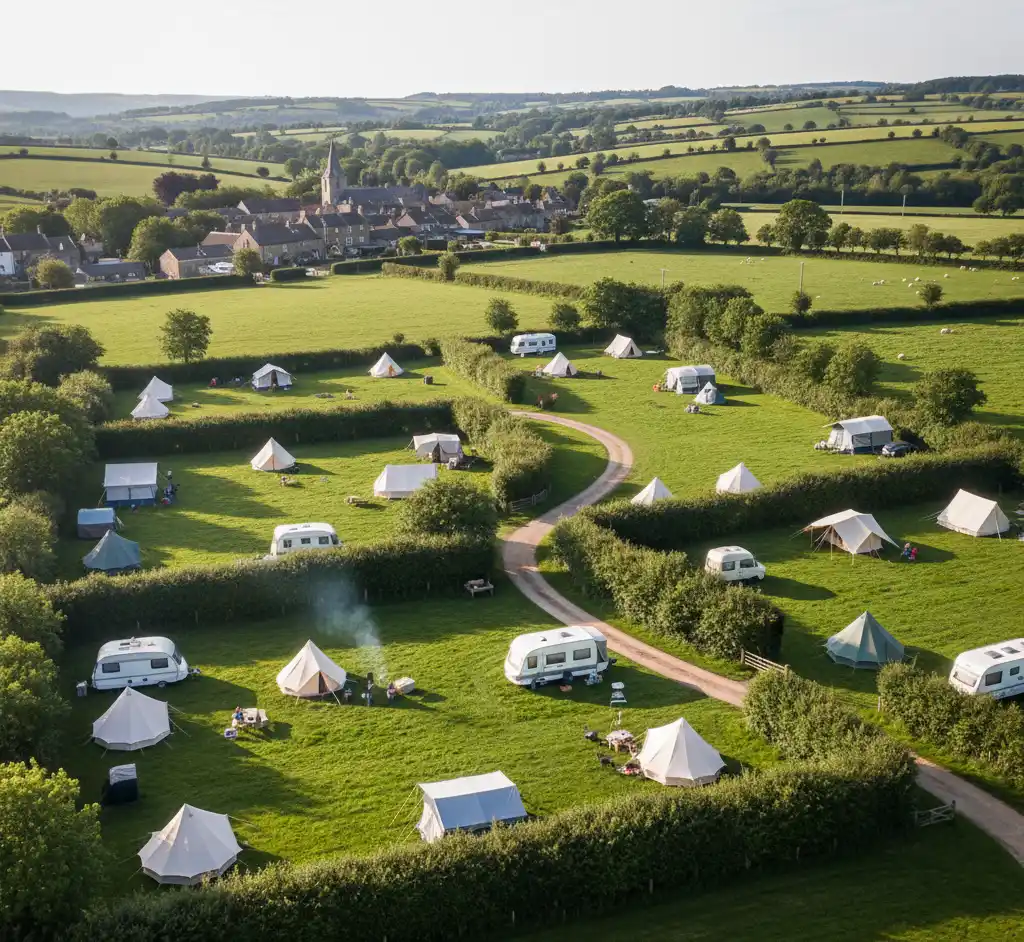
How to Choose a Campsite — What to Look For
Not all campsites are created equal. Some are brilliant — well-kept, great locations, genuinely welcoming. Others are muddy fields with a portaloo and a bad attitude. Knowing what to look for (and what to avoid) saves you money, time, and disappointment.
What Makes a Good Campsite
Location
The single most important factor. A great campsite in a bad location is still disappointing. Consider:
- Proximity to walking/activities — can you walk from the site, or do you need to drive?
- Landscape — views, natural surroundings, trees for shelter
- Noise — near a main road? Next to a pub? Near a farm with early-morning activity?
- Local amenities — shops, pubs, takeaways within walking distance
Pitch Quality
- Size — enough space between you and your neighbours. If pitches are crammed together, you'll hear every conversation.
- Surface — grass is the standard. Well-drained grass is the goal. Hardstanding for wet weather.
- Flatness — sleeping on a slope is miserable. Good sites have reasonably level pitches.
- Shelter — hedges, walls, or trees that break the wind make a huge difference.
Facilities
- Toilets and showers — clean, warm, and sufficient for the number of pitches. The shower block is the heart of any campsite.
- Washing up — covered is better than open-air.
- Water points — convenient locations, not a 10-minute walk across the site.
- Waste disposal — recycling facilities, general waste bins, and chemical disposal if relevant.
Atmosphere
This is harder to assess before arrival but matters enormously:
- Quiet vs social — some sites are peaceful retreats; others are party central. Know which you want.
- Family-friendly — playground, safe areas for children to explore, a relaxed attitude to kids being kids.
- Tent-friendly — some sites clearly prioritise caravans and motorhomes. Tent campers get the worst pitches.
Read recent reviews, not just the overall rating. A site might have been brilliant three years ago but has changed ownership since. Recent reviews tell you what the site is like now.
Red Flags
Before Booking
- No reviews or very few — could be new, could be avoiding scrutiny
- Photos only show the best pitch — what does the rest of the site look like?
- Excessive rules — some rules are sensible (quiet after 11pm). A page-long list of restrictions suggests a site that doesn't trust its guests.
- No tent pitches — if a site only takes caravans and motorhomes, they probably don't want tent campers
- Hidden fees — charges for showers, car parking, extra people, dogs, breathing
On Arrival
- Dirty facilities — if the toilets and showers aren't clean when you arrive, they won't get better
- Overcrowded — pitches so close together you can read your neighbour's book
- Poor drainage — standing water, muddy paths, waterlogged pitches
- Generator noise — some sites have generators that run all night. Ask before pitching.
- Unwelcoming staff — the tone is set from the top. Unfriendly reception usually means unfriendly experience.
Types of Campsite
Farm Campsites
Often the best option. A farmer with a field and basic facilities. Typically quiet, beautiful locations, and reasonable prices. Facilities are basic but functional.
Best for: Peaceful camping in rural settings.
Commercial Holiday Parks
Large sites with full facilities — swimming pools, shops, entertainment. Can be good for families but often noisy, expensive, and feel like a holiday park rather than camping.
Best for: Families wanting activities and facilities. Not for peace and quiet.
Wild-Style Campsites
A growing category — sites that offer a wild camping feel with the safety net of basic facilities. No electric hook-ups, limited pitches, composting toilets. Often in stunning locations.
Best for: Those who want a taste of wild camping without full commitment.
Club Sites (Camping and Caravanning Club, Caravan and Motorhome Club)
Well-maintained, reliable facilities. Can feel a bit regimented and rules-heavy. Often good value for members.
Best for: Those who want consistent quality and don't mind the club atmosphere.
Pop-Up and Seasonal Sites
Sites that operate only during peak season, often on farmland. Quality varies enormously.
Best for: When everything else is booked.
Booking Tips
- Book early for peak season — the best sites fill up months in advance for summer weekends and bank holidays
- Midweek is cheaper and quieter — if your schedule allows
- Check cancellation policies — flexibility matters, especially with UK weather
- Phone ahead — websites don't always reflect reality. A quick call can tell you about current conditions and availability
- Ask about pitch allocation — some sites let you choose; others allocate. If you want a specific spot, ask.
Bank holiday weekends at popular sites book up months in advance. If you're planning a summer bank holiday camping trip, book as early as possible — or have backup options ready.
Price Guide
UK campsite prices vary enormously:
- Basic farm site: £8-15 per tent per night
- Standard campsite: £15-30 per pitch per night
- Wild-style premium site: £20-40 per pitch per night
- Holiday park: £25-50+ per pitch per night
Prices are usually per pitch (tent + car) with additional charges for extra people. Dogs may or may not be extra.
Finding Good Campsites
- Pitchup.com — good search filters and reviews
- Cool Camping — curated selection of interesting sites
- Hipcamp — growing UK presence, especially for wilder sites
- Nearly Wild Camping — specifically for wild-style sites
- Word of mouth — the best campsites are often discovered through recommendations
The Perfect Campsite
If you find a campsite that ticks all the boxes — great location, clean facilities, decent pitch sizes, friendly owners, and a good atmosphere — hold on to it. Tell your friends (quietly). Go back. Support the people who run it.
Recommended Campsite Essentials
Whether you're at a farm pitch or a wild-style site, these items improve any campsite stay.
Vango Nevis 200 Tent
Amazon UK2.5kg
2
3
42 x 14cm
Pros
- +Quick to pitch after a long drive
- +Handles campsite weather reliably
- +Budget-friendly for beginners trying campsites first
Cons
- −Tight for two with gear inside
A solid first tent for campsite camping. Learn what you like about camping before spending more on specialist gear.
View dealAffiliate link — we may earn a small commission at no extra cost to you
Petzl Tikkina Head Torch
Amazon UK300
81g
3x AAA
65m
Pros
- +Essential for late-night toilet block trips
- +Simple one-button operation
- +Affordable enough for every family member
Cons
- −Not rechargeable
The midnight walk to the toilet block is a campsite tradition. A head torch makes it considerably less painful.
View dealAffiliate link — we may earn a small commission at no extra cost to you
Good campsites exist because good campsite owners care. They deserve your loyalty and your recommendations.
Ready to gear up?
Use our kit builder to get a complete packout list tailored to your trip type, terrain, and budget — with prices and buy links.
Related reading
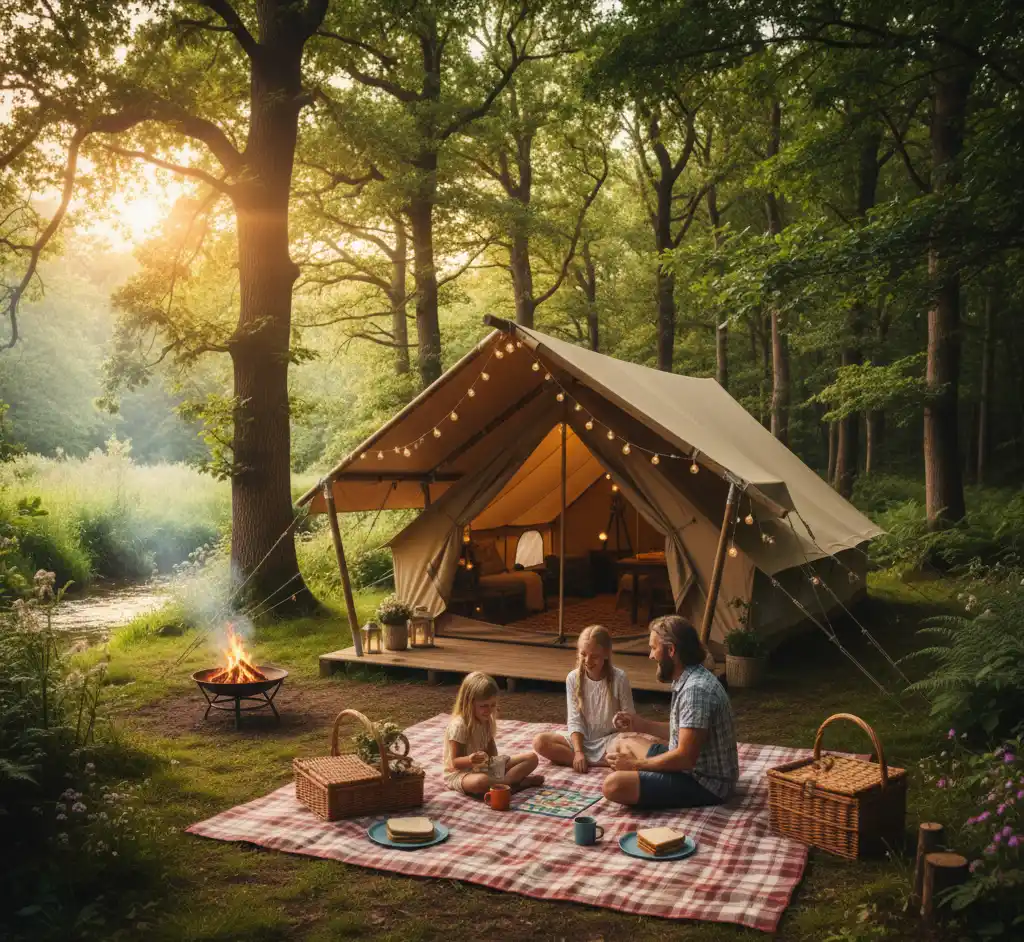
Camping with Kids in the UK — A Family-Friendly Guide
Family camping tips for the UK — age-appropriate activities, site selection, gear advice, and how to make camping fun for children of all ages.
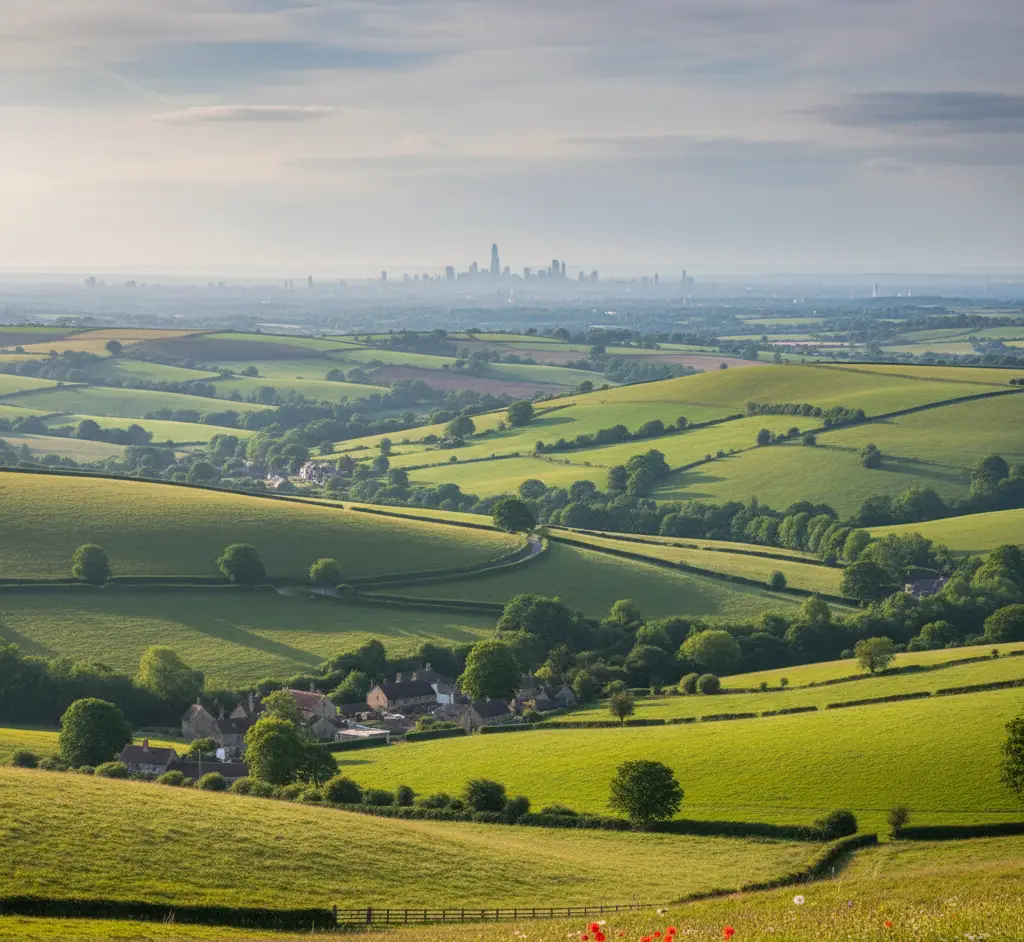
Best Camping Near London — Campsites Within Easy Reach
The best camping options within two hours of London — paid campsites, wild camping possibilities, and free options for a quick escape from the city.
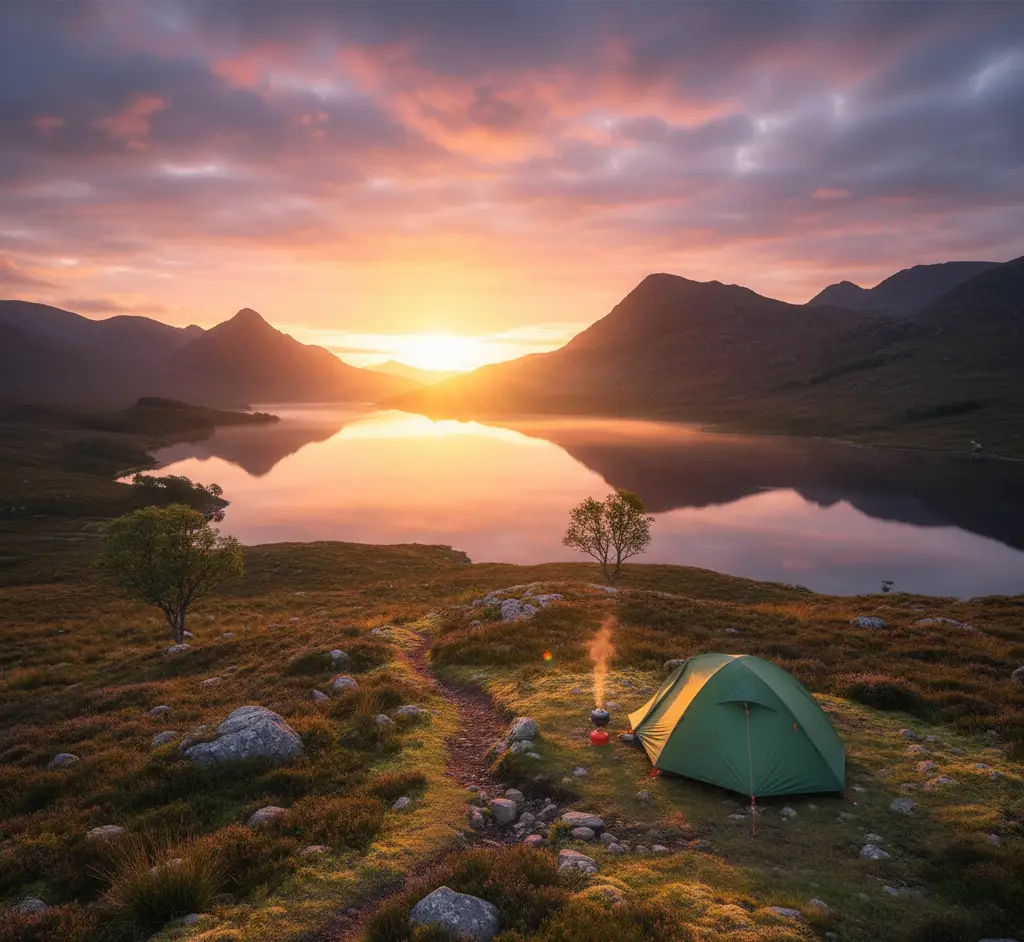
Wild Camping & Campsites in the UK — The Complete Guide
Everything you need to know about wild camping in the UK — where it's legal, where it's tolerated, and how to do it responsibly.
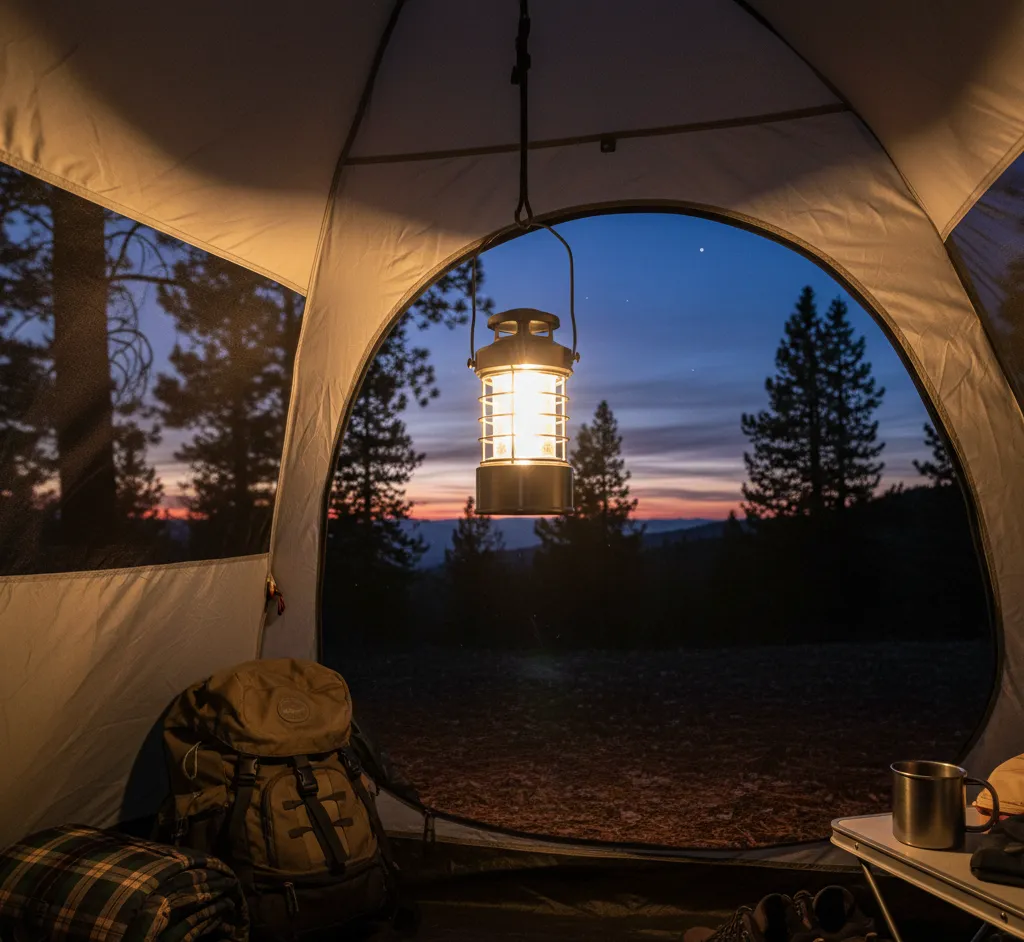
Best Camping Lanterns for UK Campsites and Wild Camps 2026
Best camping lanterns for UK camping in 2026. LED, rechargeable and solar lanterns compared for brightness and battery life.