This page contains affiliate links. If you purchase through them we may earn a small commission at no extra cost to you. Learn more
Foraging Law in the UK: What You Can and Can't Pick
Legal disclaimer
This is general information, not legal advice. Laws change — verify current legislation before acting on anything you read here.
Quick Summary
- Picking wild fruit, foliage, fungi, and flowers for personal use is legal under Section 4 of the Theft Act 1968
- Uprooting any wild plant without landowner permission is illegal under the Wildlife and Countryside Act 1981
- Certain species are specially protected — picking them is an offence regardless of purpose
The Short Answer
Yes, foraging is legal in the UK — with important limitations. You can pick wild plants for personal use, but you can't uproot them, you can't pick protected species, and you need to be on land where you have a right to be.
The law tries to balance the traditional right to gather wild food with the need to protect the environment. Get it right and foraging is a brilliant, legal activity. Get it wrong and you could be committing an offence.
The Theft Act 1968 — Section 4(3)
This is the key provision that makes foraging legal. Section 4(3) of the Theft Act 1968 states:
A person who picks mushrooms growing wild on any land, or who picks flowers, fruit or foliage from a plant growing wild on any land, does not (although not in possession of the land) steal what he picks, unless he does it for reward or for sale or other commercial purpose.
In plain English: picking wild mushrooms, flowers, fruit, or foliage for your own personal use is not theft. It doesn't matter who owns the land — you're not stealing.
But there are two crucial limits:
-
Personal use only. The moment you pick for sale, reward, or commercial purposes, it becomes theft. Taking a basket of blackberries for a crumble? Fine. Filling crates of wild garlic to sell at a farmers' market? That's potentially theft without the landowner's permission.
-
Picking, not uprooting. The Theft Act exception only covers picking — taking parts of the plant. It doesn't cover digging up the whole plant.
The Wildlife and Countryside Act 1981
This is where the environmental protection comes in. The Wildlife and Countryside Act 1981 creates two important rules:
No Uprooting Without Permission
Section 13(1)(b) makes it an offence to intentionally uproot any wild plant unless you're an authorised person (essentially, the landowner or someone with their permission). This applies to all wild plants, not just protected ones.
So pulling up wild garlic bulbs, digging up bluebells, or uprooting ferns is illegal without landowner permission — even if you're doing it for personal use.
Protected Species
Schedule 8 of the Act lists specially protected wild plants. It's an offence to intentionally pick, uproot, destroy, or sell these species. The list includes:
- Wild orchids (several species)
- Certain ferns and mosses
- Sundews
- Various rare wildflowers
The full list is available from the Joint Nature Conservation Committee. If you're not sure whether a plant is protected, leave it alone.
Ignorance isn't a defence. If you uproot a protected plant because you didn't know it was on Schedule 8, you've still committed an offence. When in doubt, don't pull it up.
Where Can You Forage?
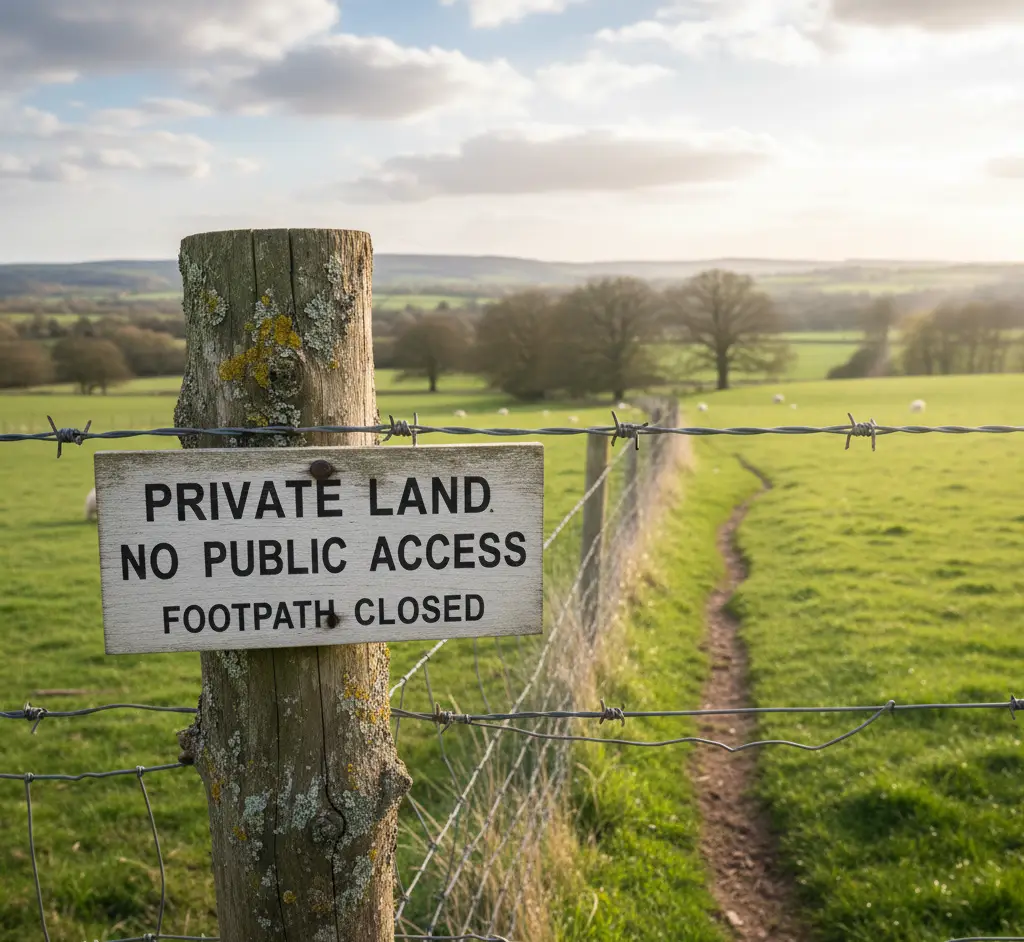
The Theft Act exception doesn't require you to have a right to be on the land — it says picking from "any land" isn't theft. However, if you're on private land without permission, you're trespassing (a civil matter — see our trespass law guide).
The best approach:
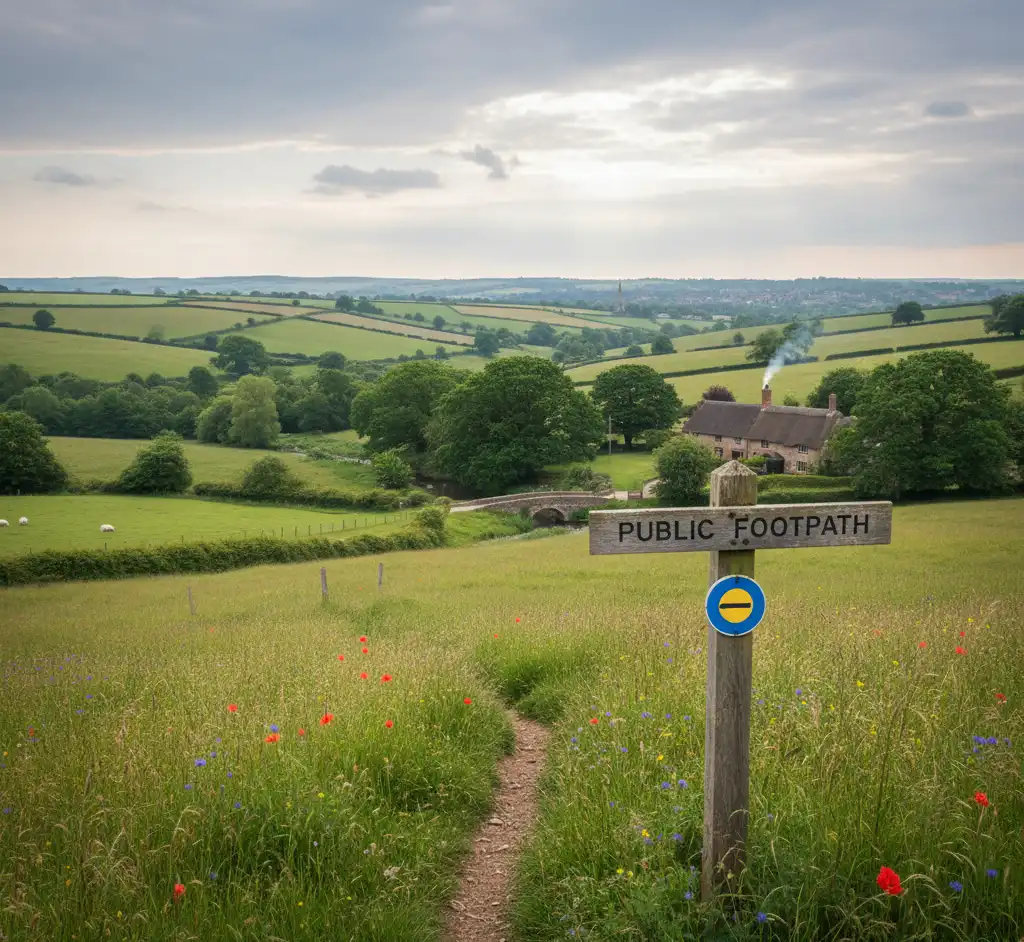
- Public rights of way: You can pick from hedgerows and verges along footpaths and bridleways.
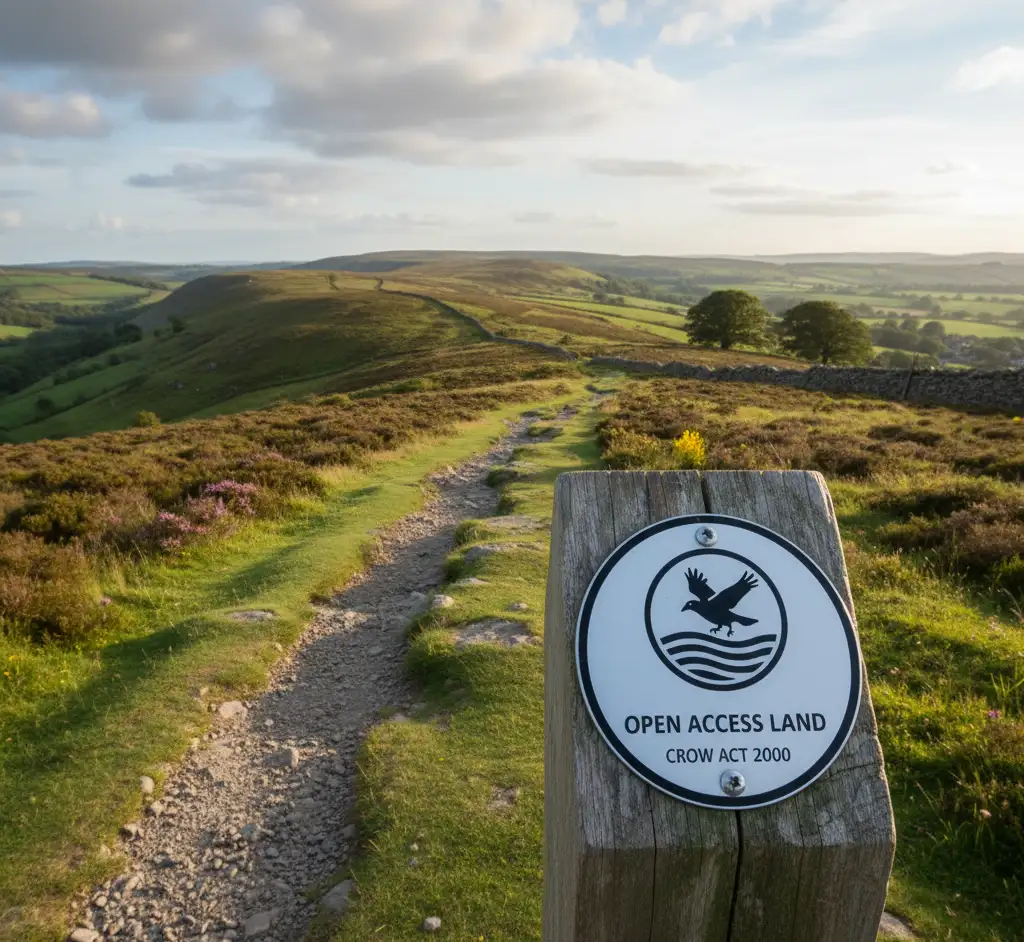
- Access land: You can forage while exercising your right of access under the CRoW Act.
- Common land: Generally fine for personal picking.
- Private land with permission: Always the safest option.
- Nature reserves and SSSIs: Many have restrictions on foraging. Check with the managing body.
National Parks and Protected Areas
Some national parks and nature reserves have bylaws restricting or prohibiting foraging. National Trust properties often don't allow foraging without specific permission. Always check before you pick.
What Can You Actually Pick?
Here's a practical guide to what's generally fine for personal foraging:
Fruit
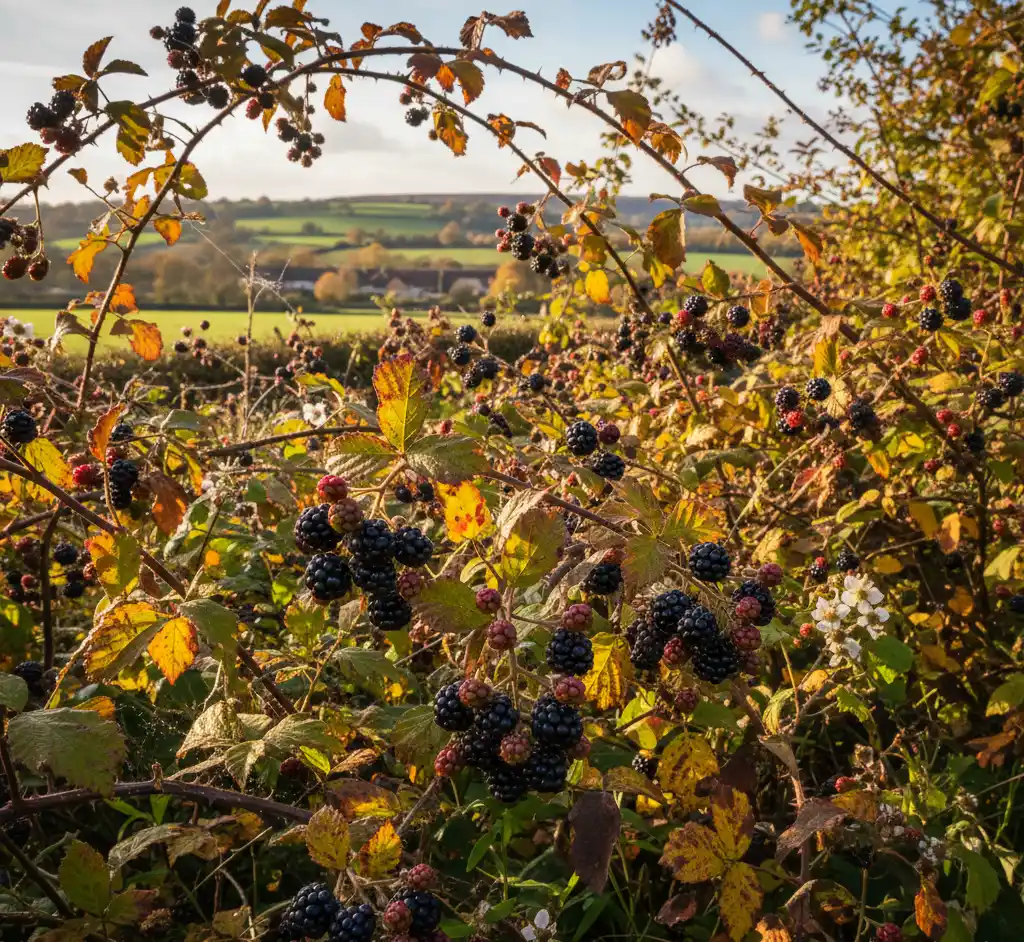
Blackberries, elderberries, sloes, wild strawberries, crab apples, rosehips, hawthorn berries — all fine to pick from wild plants.
Leaves and Herbs
Wild garlic leaves, nettles, sorrel, dandelion leaves, chickweed — picking leaves and foliage is covered by the Theft Act exception.
Fungi
Wild mushrooms are specifically mentioned in the Theft Act. You can pick them for personal use. However, some areas (particularly Epping Forest and the New Forest) have bylaws restricting mushroom foraging due to overpicking.
Flowers
You can pick wildflowers growing wild, but be aware that many people find this antisocial, and several common species are actually protected. A better rule: admire, photograph, but don't pick unless you know it's both legal and sustainable.
Nuts
Hazelnuts, sweet chestnuts, and walnuts from wild trees — generally fine for personal picking.
The golden rule of foraging: pick no more than you need, take no more than a third of what's available from any one plant, and leave plenty for wildlife and the next person.
Commercial Foraging
If you're foraging to sell — at a market, to restaurants, or online — the Theft Act exception doesn't apply. You need landowner permission, and depending on the scale, you may need to consider food safety regulations, business registration, and environmental impact.
Commercial foraging in some areas has become controversial due to overharvesting. Several landowners and managing bodies have taken action against commercial foragers stripping areas clean.
Practical Foraging Tips
- Learn proper identification. Misidentifying a plant can be lethal — especially with fungi. Get a good field guide and consider taking a course.
- Start with the easy ones. Blackberries, elderflowers, and wild garlic are hard to misidentify and widely available.
- Don't forage near roads. Pollution, pesticide spray drift, and dog mess make roadside plants unappetising at best and unsafe at worst.
- Only take what you'll use. Waste is worse than not picking at all.
- Check for bylaws. Some popular areas have specific foraging restrictions.
- Leave roots in the ground. Both for legal reasons and so the plant grows back next year.
Scotland
Scottish foraging law is broadly similar. The Theft Act 1968 doesn't apply in Scotland (Scots law handles theft differently), but the principle is the same — taking small quantities of wild food for personal use is generally acceptable. The Wildlife and Countryside Act 1981 does apply in Scotland, so protected species and uprooting rules are the same.
Under Scotland's access rights, you can forage on land where you have a right of access, which is most land.
Essential Foraging Kit
Good foraging starts with proper identification and careful handling of what you pick. These items make foraging safer, more enjoyable, and help you stay within the law.
Victorinox Swiss Army Knife Tinker
Amazon UK72mm
12 functions
84g
Non-locking
Pros
- +Non-locking blade under 3 inches — legal to carry without a reason
- +Small blade perfect for cutting stems and trimming foraged items
- +Reamer useful for piercing drainage holes in containers
Cons
- −Not sturdy enough for heavy cutting tasks
The ideal foraging knife. Non-locking and under 3 inches, so you can carry it legally on any walk. The small blade is perfect for cleanly cutting herbs, mushrooms, and flowers.
View dealAffiliate link — we may earn a small commission at no extra cost to you
Collins Gem Food for Free Field Guide
Amazon UKRichard Mabey
Pocket paperback
256
110g
Pros
- +Fits in a jacket pocket
- +Clear identification photos and descriptions
- +Covers common UK edible plants, fungi, and fruit
Cons
- −Small format means photos are limited in detail
The classic pocket foraging guide. Small enough to carry on every walk, detailed enough to identify common edible plants with confidence.
View dealAffiliate link — we may earn a small commission at no extra cost to you
Fjallraven Folding Basket
Amazon UKOrganic cotton canvas
15 litres
230g
Flat fold
Pros
- +Breathable — foraged items stay fresh longer than in plastic bags
- +Folds flat when not in use
- +Sturdy enough for heavier items like mushrooms and berries
Cons
- −Not waterproof
A proper foraging basket that lets air circulate around your pickings. Folds flat in your pack until you need it. Far better than stuffing everything in a plastic bag.
View dealAffiliate link — we may earn a small commission at no extra cost to you
Related Guides
- Right to roam — where you have access rights
- Trespass law — what happens if you're on private land
Ready to gear up?
Use our kit builder to get a complete packout list tailored to your trip type, terrain, and budget — with prices and buy links.
Related reading
UK Outdoor Law and Safety — Your Complete Practical Guide
A plain-English guide to UK outdoor laws covering wild camping, knife law, foraging, right to roam, drones, and campfires.
Trespass Law in the UK: Civil vs Criminal Trespass Explained
What happens if you trespass in the UK — civil trespass explained, aggravated trespass, and what landowners can and can't do.
Right to Roam in the UK: CRoW Act and Access Rights Explained
What the Countryside and Rights of Way Act 2000 actually lets you do, where access land is, and how Scottish access rights differ.
Best Outdoor Safety Gear for UK Hikers and Campers 2026
Best first aid kits, fire starters and emergency safety gear for UK outdoor adventures in 2026. Tested and compared for hikers and campers.