This page contains affiliate links. If you purchase through them we may earn a small commission at no extra cost to you. Learn more
Emergency Lighting Options for UK Homes and Power Cuts
Quick Summary
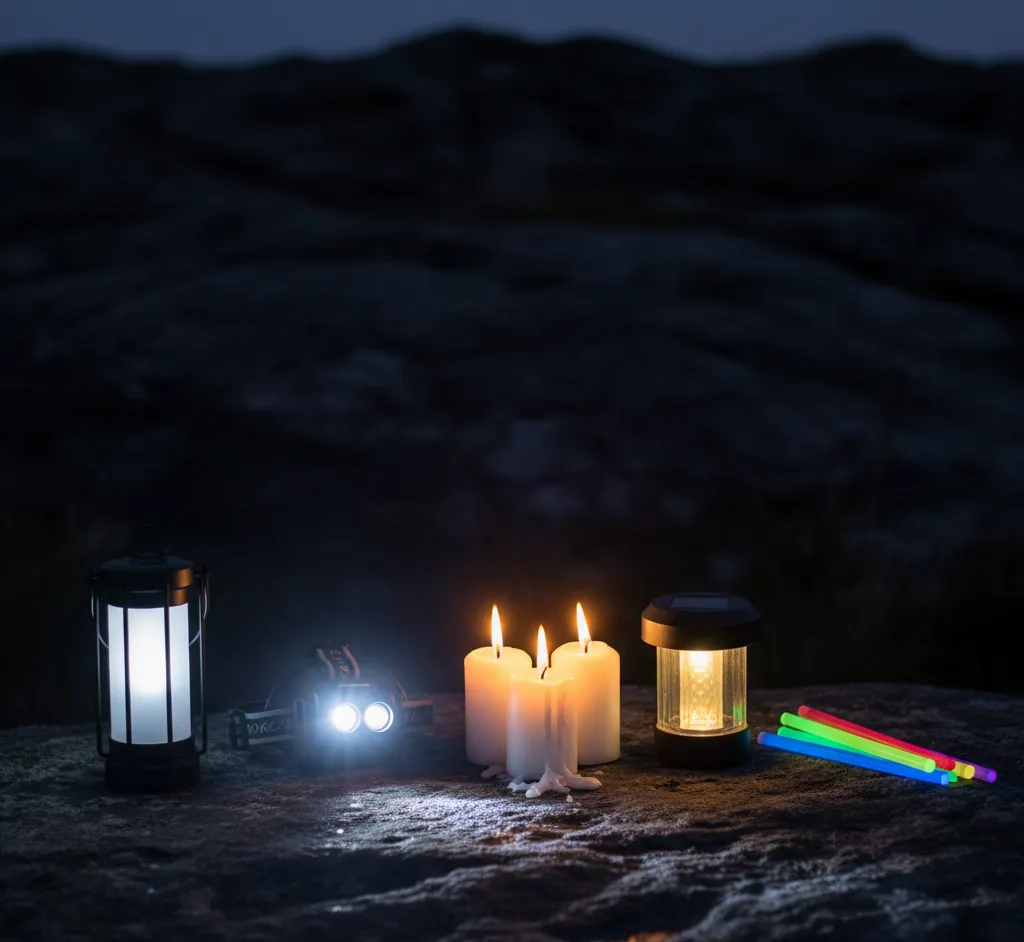
- Head torches are the single best emergency lighting investment — hands-free and bright enough to do anything
- LED lanterns light up whole rooms safely without the fire risk of candles
- Keep at least one torch per floor and spare batteries checked every six months
When the Lights Go Out
A power cut in the evening is one of those experiences that makes you realise how dependent you are on electricity. Suddenly you can't see, you're tripping over furniture, and you're fumbling through drawers looking for a torch that hasn't worked since 2019.
Good emergency lighting is cheap, lasts years, and makes power cuts manageable instead of miserable. Here's what actually works.
Head Torches: The MVP
If you buy one piece of emergency lighting, make it a head torch. Here's why:
- Hands-free — You can cook, carry things, check the fuse box, read to kids
- Directional — Light goes where you look
- Efficient — Modern LEDs last 20+ hours on a set of batteries
- Portable — Goes with you room to room
What to Look For
- At least 150 lumens for general use (300+ for anything outdoors)
- Red light mode — preserves night vision and doesn't blind everyone in the room
- Adjustable strap that fits over a hat or beanie
- Battery type you can easily buy (AAA is most common)
- Water-resistant is a bonus
Get one per adult in the household. They're available from about £10 for a decent one, up to £30–£40 for quality outdoor brands.
Petzl Tikkina Head Torch
Amazon UK300
3x AAA
81g
IPX4
Pros
- +Incredibly lightweight — forget you're wearing it
- +300 lumens on full beam
- +Petzl build quality lasts years
Cons
- −No red light mode on base model
- −AAA batteries not rechargeable
The gold standard budget head torch. Light enough to wear all evening, bright enough for any task.
View dealAffiliate link — we may earn a small commission at no extra cost to you
Red light mode is brilliant
LED Lanterns: Light a Whole Room
Head torches are great for tasks, but if you want to light up a room for the family to sit in, you need a lantern.
Battery-Powered LED Lanterns
- Light a full room safely — no fire risk
- Run for 50–100+ hours on a set of batteries
- Many are dimmable — use low settings to extend battery life
- Hang them from hooks or stand them on tables
- Available from about £8–£25
Vango Nova 200 Rechargeable Lantern
Amazon UK200
USB rechargeable
Up to 70hrs
3 brightness + red
Pros
- +USB rechargeable — no batteries to buy
- +Red light mode for night-time
- +70-hour runtime on low
Cons
- −200 lumens won't light a large room fully
- −Needs pre-charging
Charge it up, put it on a shelf, and forget about it until the power goes out. One of these per living space is ideal.
View dealAffiliate link — we may earn a small commission at no extra cost to you
USB-Rechargeable Lanterns
- Charge via USB before you need them
- Some double as power banks to charge your phone
- No need to keep buying batteries
- Remember to recharge them periodically (set a reminder every few months)
Solar Lanterns
- Charge in daylight — useful for extended outages
- Slower to charge in British winter (limited daylight hours)
- Good as a secondary option rather than your primary light
- Some garden solar lights can be brought indoors in an emergency
Standard Torches
Every household should have basic torches as backup:
- Keep one on each floor of your home
- Store them in a consistent, known location (everyone in the house should know where)
- Check batteries every six months (when the clocks change is an easy reminder)
- LED torches are far more efficient than old filament bulb types
- A cheap LED torch from the pound shop is better than no torch at all
Battery Tips
- Buy batteries in bulk — it's significantly cheaper
- Store batteries at room temperature (not in the fridge — that's a myth)
- Remove batteries from devices you're storing long-term to prevent corrosion
- Consider rechargeable batteries and a USB charger — more cost-effective over time
- Keep spare batteries with each torch, not in a separate drawer
EBL AA Rechargeable Batteries (8 pack + charger)
Amazon UKAA NiMH
2800mAh
8 batteries + USB charger
1200+
Pros
- +Never buy disposable batteries again
- +USB charger works from power bank too
- +1200+ recharge cycles per battery
Cons
- −Self-discharge over months — top up periodically
- −Slightly lower voltage than alkaline
The smart long-term investment. Charge from mains or power bank, and you'll never be caught without batteries.
View dealAffiliate link — we may earn a small commission at no extra cost to you
Candles: The Classic Backup
Candles work and they're cheap. But they come with real risks.
Candle Safety Rules
- Never leave a candle unattended — not even for a minute
- Keep candles away from curtains, furniture, paper, and anything flammable
- Use proper candle holders or jars — tealights in a glass jar are safer than taper candles
- Place candles on stable, heat-proof surfaces
- Keep candles out of reach of children and pets
- Don't fall asleep with candles lit (this is when most candle fires start)
- Don't use candles in children's bedrooms
Better Candle Options
- Tealights in glass jars — Contained flame, stable, cheap
- Pillar candles — Longer burn time than tealights
- Storm candles — Designed for draughty conditions, enclosed flame
Candle fires spike during power cuts
Glow Sticks
Don't dismiss these as just for festivals. Glow sticks are genuinely useful emergency lighting:
- No batteries needed
- No fire risk
- Waterproof
- Cheap (buy multi-packs)
- Last 8–12 hours once activated
- Give to children so you can see where they are
- Good for marking doorways, stairs, or hazards in the dark
They won't light a room, but they're perfect for navigation and keeping track of people.
Emergency Lighting for Stairs and Hallways
Navigating stairs in complete darkness is a genuine injury risk. Options:
- Motion-sensor LED stick-on lights — Battery-powered, activate when you walk past. Brilliant for hallways and stairs even without a power cut
- Plug-in emergency lights — Plug into a wall socket, automatically switch on when power fails. Rechargeable
- Glow-in-the-dark tape — Apply to stair edges. Charges from normal room lighting and glows for hours
Your Emergency Lighting Kit
Here's what a well-prepared household should have:
| Item | Quantity | Approximate Cost |
|---|---|---|
| Head torch | 1 per adult | £10–£25 each |
| LED lantern | 1–2 | £10–£20 each |
| Standard torch | 1 per floor | £5–£10 each |
| Spare batteries | Bulk pack | £5–£10 |
| Tealights + holders | 20+ | £3–£5 |
| Glow sticks | Multi-pack | £3–£5 |
| Matches/lighter | 2–3 | £1–£2 |
Total for a household: about £50–£80. That's comprehensive emergency lighting sorted for years.
Maintenance Routine
Set a reminder twice a year (when the clocks change works well):
- Test all torches and lanterns — do they work?
- Check battery levels
- Replace any dead batteries
- Recharge USB-rechargeable items
- Check candle supplies
- Make sure everyone knows where the lighting kit is
The One-Minute Power Cut Drill
Here's a quick exercise: tonight, turn off all the lights and time how long it takes you to find a torch and get light going. If it's more than 60 seconds, your emergency lighting needs reorganising. You should be able to reach a light source within a minute, in complete darkness, without injuring yourself.
Good lighting turns a power cut from a crisis into a mildly inconvenient evening. Get your kit sorted, check it regularly, and you'll handle it.
Ready to gear up?
Use our kit builder to get a complete packout list tailored to your trip type, terrain, and budget — with prices and buy links.
Related reading
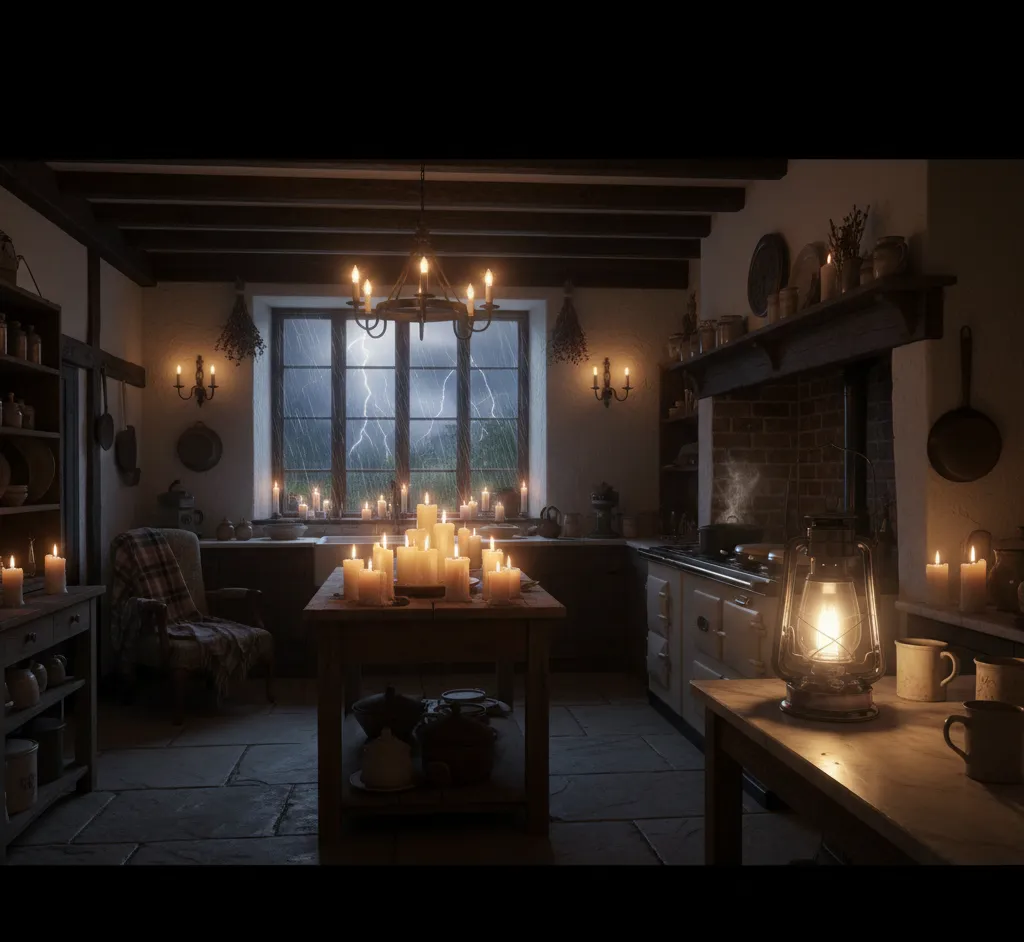
Power Cut Preparation for UK Homes: Full Checklist
How to prepare for power cuts in the UK — torches, batteries, food preservation, heating alternatives, and keeping your phone charged.
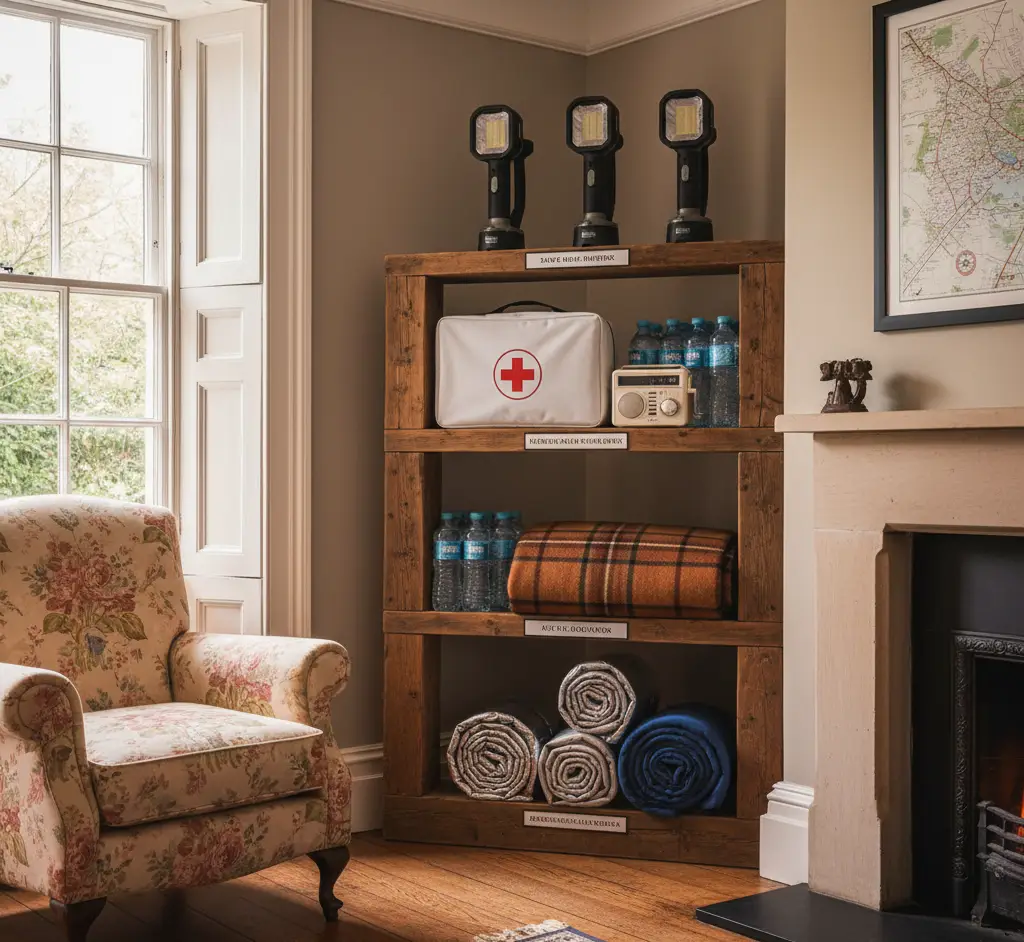
Emergency Preparedness for UK Homes: Your Complete Guide
A practical guide to emergency preparedness for UK homes covering floods, storms, power cuts, and everything in between.
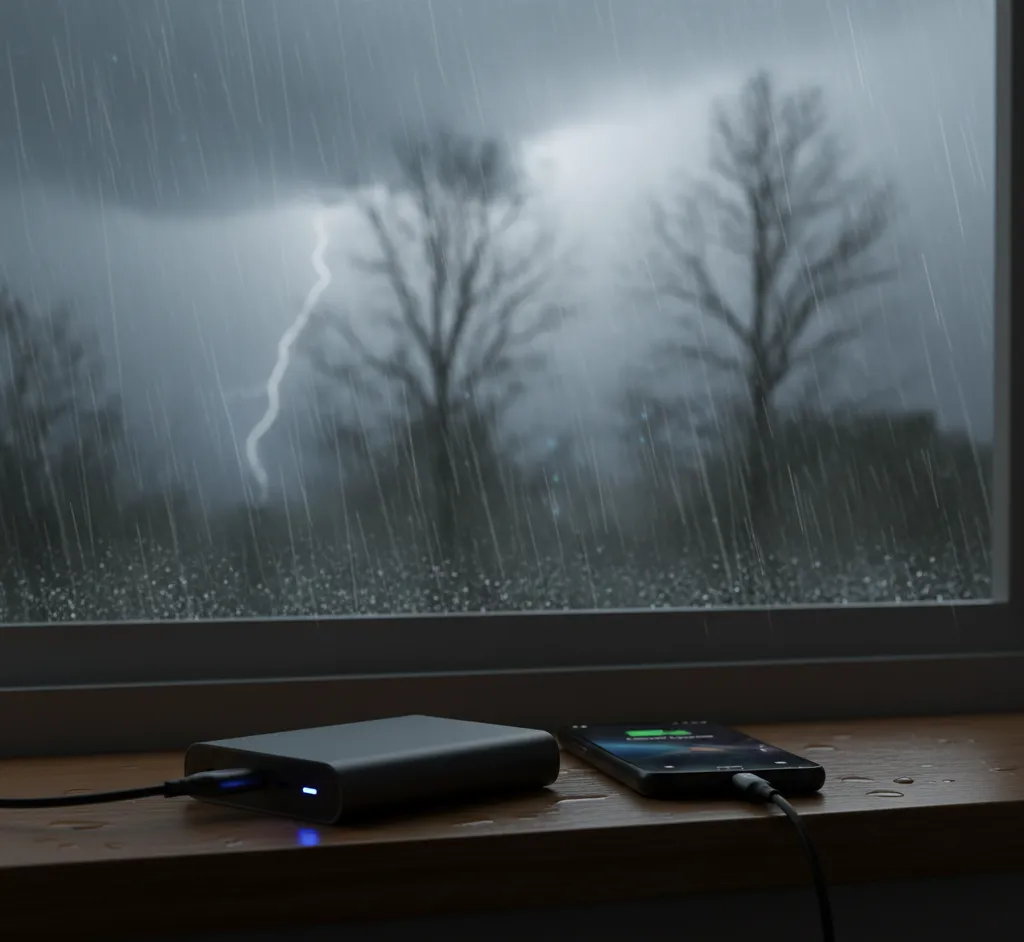
How to Charge Your Phone During a UK Power Cut — Full Guide
How to keep your phone charged during a UK power cut. Power banks, solar chargers, car charging tips and battery-saving settings explained.
Emergency Preparedness for Flats and Apartments UK
Emergency preparedness when you live in a flat or apartment — limited space solutions, communal building considerations, and what renters need to know.