This page contains affiliate links. If you purchase through them we may earn a small commission at no extra cost to you. Learn more
Emergency Preparedness for Flats and Apartments UK
Quick Summary
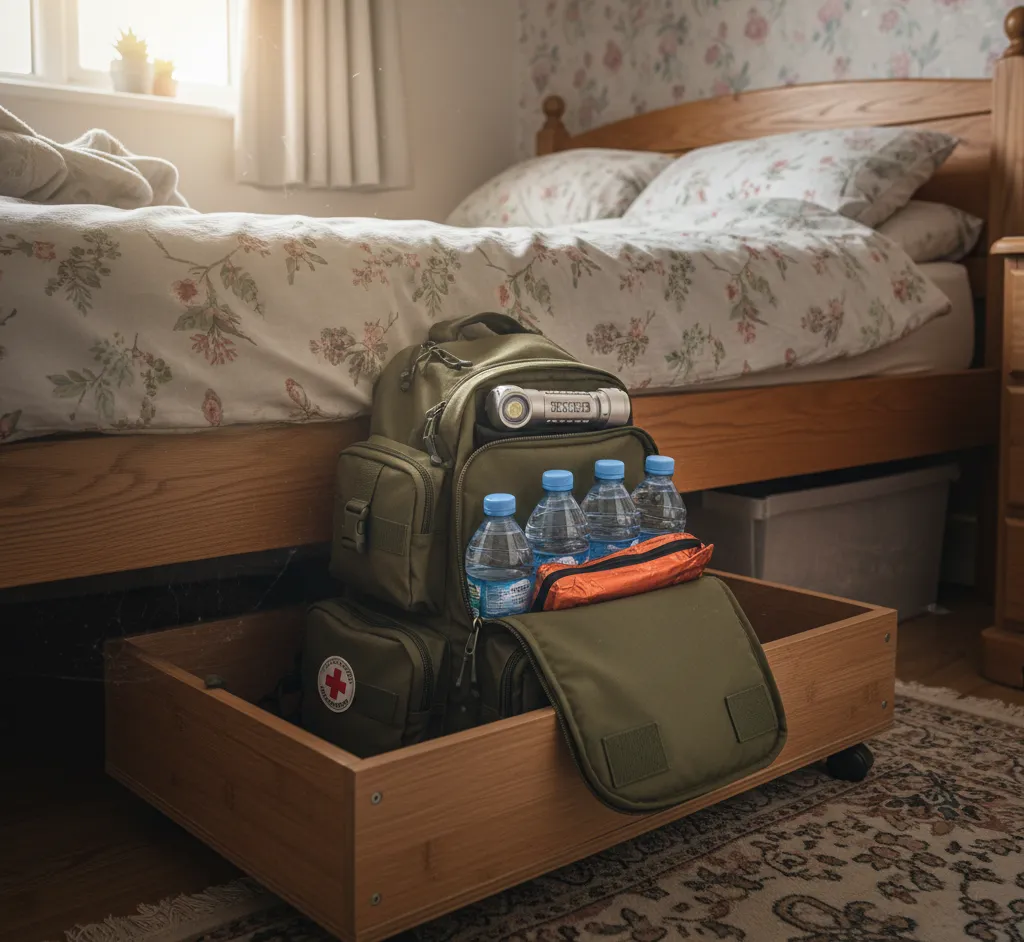
- Living in a flat doesn't mean you can't prepare — a complete emergency kit fits in a single box under the bed
- Know your building's fire escape routes, communal systems, and who manages the property
- Renters have specific rights around heating, safety, and emergency repairs
You Don't Need a Garage to Be Prepared
A lot of emergency prep advice assumes you've got a house with a garage, a garden shed, and cupboards everywhere. If you live in a flat — especially a small one — that advice can feel irrelevant.
It isn't. You just need to be smarter about it. Everything you genuinely need for a home emergency fits in one box. The rest is about knowing your building and having a plan.
Space-Saving Emergency Kit
One plastic storage box, roughly the size of a shoe box or slightly larger, holds everything:
The Box Contents
- Head torch + spare batteries
- Power bank + charging cable
- Wind-up or battery radio
- Water purification tablets
- First aid kit (compact travel-sized)
- Candle (tealight type) + lighter
- 2 x emergency foil blankets (fold down tiny)
- Prescription medications (1 week)
- Cash (£30 in small notes)
- Emergency contacts list
- Copies of key documents (insurance, tenancy agreement, ID)
- Whistle (for attracting attention if trapped)
Store it under your bed, on top of a wardrobe, or in the bottom of a cupboard. Label it clearly.
SmallRig Compact Head Torch (USB-C rechargeable)
Amazon UK350
USB-C rechargeable
68g
5 including red
Pros
- +Tiny and lightweight — perfect for small kits
- +USB-C rechargeable — no batteries to store
- +Red light mode for night use
Cons
- −Shorter runtime than AAA models
- −Small battery means more frequent charging
The perfect head torch for flat-dwellers. Takes up almost no space in your emergency box and charges from the same cable as your phone.
View dealAffiliate link — we may earn a small commission at no extra cost to you
Food Storage Without a Pantry
- Use a box or bag under the bed or in a wardrobe
- Focus on compact, calorie-dense food: nut butter, cereal bars, dried fruit, crackers, tinned fish
- One 5-litre bottle of water per person stores easily in a cupboard corner
- Instant coffee, tea bags, and a few Cup-a-Soups take almost no space
- A manual tin opener (stash it with the food)
See our emergency food storage guide for the full shopping list.
The under-bed box
Know Your Building
Fire Escape Routes
- Walk every fire escape route in your building at least once
- Know where the fire exits are on every floor you might use
- Check whether your building has a "stay put" or "simultaneous evacuation" policy — this changed for many buildings after Grenfell
- Know where the nearest fire assembly point is
- Make sure fire doors are never propped open
Communal Systems
- Where is the main water stopcock for the building?
- Where are the communal fuse boxes or consumer units?
- Is there a communal fire alarm system? How is it tested?
- Does the building have emergency lighting in corridors and stairwells?
- Is there a concierge, building manager, or management company? Save their number
Your Neighbours
- Introduce yourself to immediate neighbours
- Exchange phone numbers if comfortable
- In an emergency, neighbours in a flat building are your closest help
- Look out for elderly or vulnerable residents nearby
Flat-Specific Challenges
No Garden for Ventilation
- You can't use camping stoves or barbecues on a balcony for cooking (fire risk and carbon monoxide)
- Open windows for ventilation if using candles
- If you smell gas, ventilate and get out — same rules apply but leaving might mean going down several flights of stairs
Water Supply
- High-rise flats may lose water pressure before houses during supply issues
- Water tanks on the roof (if your building has them) provide a buffer
- Store bottled water — you can't rely on gravity feeding upper floors if mains pressure drops
Heating
- If you have communal heating and it fails, you're dependent on the building management to fix it
- Keep electric fan heaters as backup (check your tenancy agreement for any restrictions)
- Electric blankets are space-efficient and warm
Pro Breeze 2000W Mini Ceramic Fan Heater
Amazon UK2000W
Ceramic fan
Adjustable
18 x 15 x 26cm
Pros
- +Heats a room in minutes
- +Compact — stores in a cupboard
- +Tip-over safety cut-off
Cons
- −Uses a lot of electricity
- −Only heats one room
When communal heating fails, this heats your living room fast. Small enough to store in a flat without taking up space.
View dealAffiliate link — we may earn a small commission at no extra cost to you
Evacuation
- If you need to evacuate, you might be carrying your emergency kit down multiple flights of stairs
- Keep it light and portable — a backpack is easier than a box if you're above the ground floor
- If you have mobility issues, make sure the building management and your local fire service know (the fire service keeps a register for high-rise buildings)
Never use the lift during a fire
Renter-Specific Information
Your Rights
- Your landlord must maintain the property in a safe condition
- Gas safety checks must be done annually (you should receive a copy of the certificate)
- Electrical installations must meet safety standards (EICR — Electrical Installation Condition Report)
- Smoke alarms must be fitted on every floor, carbon monoxide alarms near gas appliances
- Emergency repairs (no heating, no hot water, security issues) should be dealt with within 24 hours
What You Can Do
- Fit your own battery-powered smoke and CO alarms if the existing ones are inadequate
- Buy your own emergency lighting and power banks
- Keep your emergency kit ready — you don't need landlord permission for personal supplies
- Report any safety concerns to your landlord in writing
Google Nest Protect Smoke + CO Alarm
Amazon UKSmoke + CO
Sealed lithium (battery version)
Voice + phone notification
Self-testing
Pros
- +Detects both smoke and CO in one unit
- +Phone alerts — know if alarm triggers when you're out
- +Voice tells you what's wrong and where
Cons
- −Expensive compared to basic alarms
- −Requires app setup
Premium but worth it for renters. Battery version needs no wiring, sends alerts to your phone, and tests itself. Take it with you when you move.
View dealAffiliate link — we may earn a small commission at no extra cost to you
If Your Landlord Won't Act
- Report to your local council's environmental health department
- Contact Shelter (0808 800 4444) for advice
- Keep written records of all reports and requests
Building a Community Emergency Plan
Flats have a built-in advantage: you're surrounded by neighbours. Consider:
- A building WhatsApp group for emergency communication
- Shared knowledge of who has useful skills (first aiders, tradespeople)
- Knowing who in the building is vulnerable and might need help
- A communal emergency supplies point (even just a shared torch and first aid kit in the lobby)
This doesn't need to be formal. Even knowing three or four neighbours and being willing to help each other makes a difference.
Balcony and Window Considerations
If you have a balcony:
- Secure anything that could blow off in a storm — pots, furniture, drying racks
- Don't store flammable materials
- Clear drains so water doesn't pool and leak into the flat below
- In a storm warning, bring everything inside
If you're in a high-rise during a storm:
- Stay away from windows
- Close curtains and blinds to reduce glass hazard if a window breaks
- Expect the building to sway slightly in very high winds — this is normal and designed into the structure
Your Flat Emergency Checklist
- Emergency kit box packed and stored accessibly
- 3-day food and water supply stored
- Fire escape routes walked and known
- Building management contact number saved
- Neighbours' details exchanged
- Smoke and CO alarms tested
- Gas safety certificate up to date (ask landlord)
- Key documents copied and stored in kit
- Evacuation plan made (including pets if applicable)
Living in a flat is no excuse for not being prepared. One box, one plan, one afternoon. That's all it takes.
Ready to gear up?
Use our kit builder to get a complete packout list tailored to your trip type, terrain, and budget — with prices and buy links.
Related reading
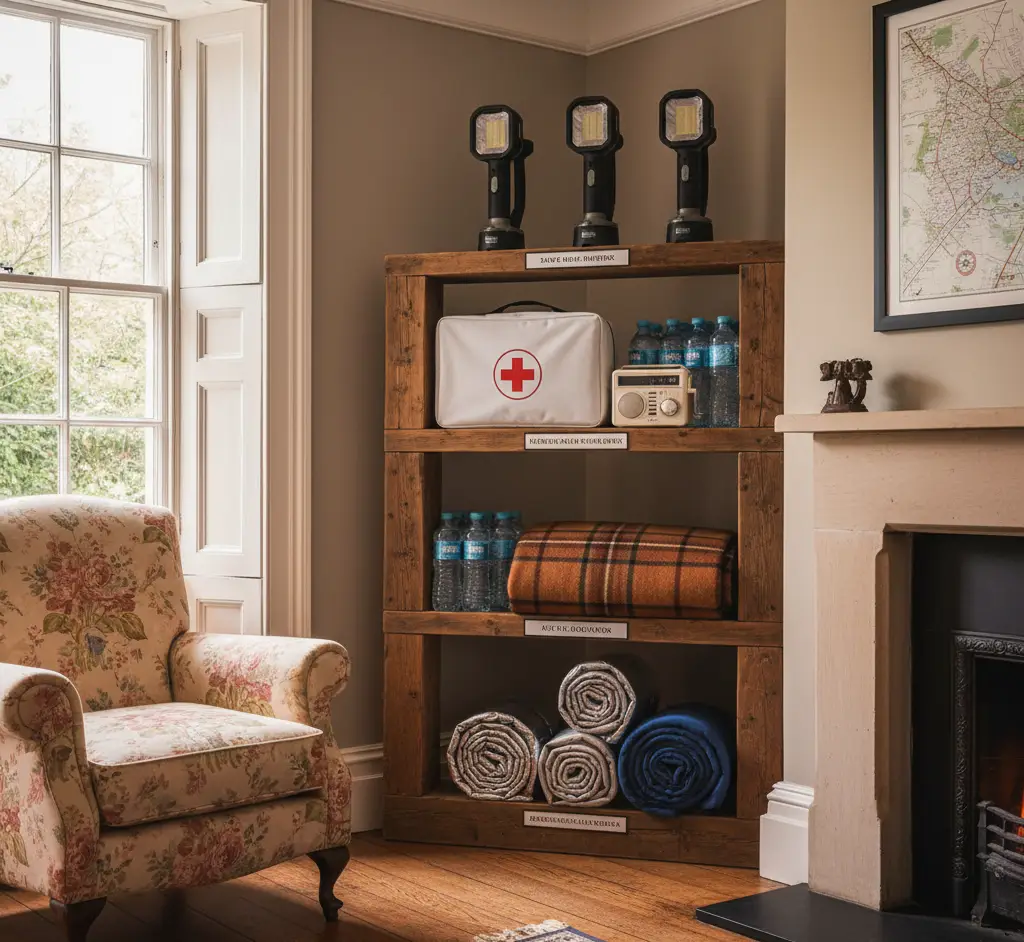
Emergency Preparedness for UK Homes: Your Complete Guide
A practical guide to emergency preparedness for UK homes covering floods, storms, power cuts, and everything in between.
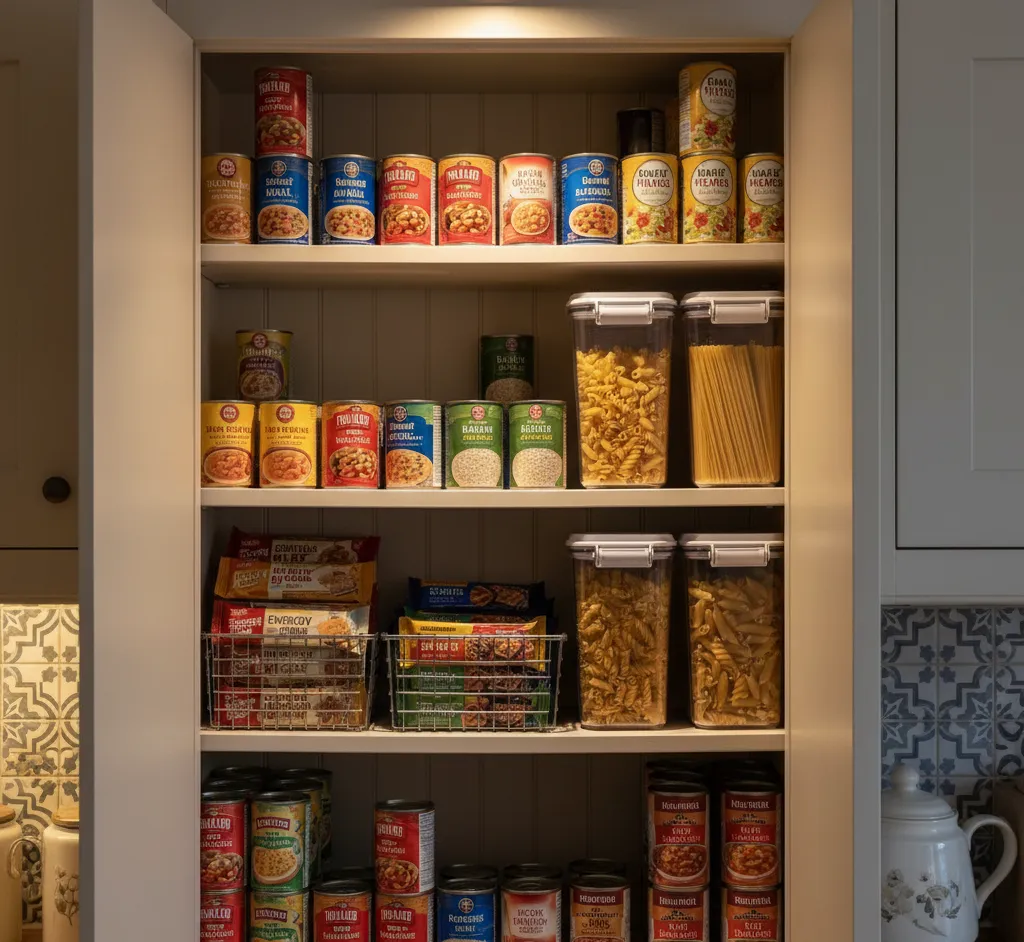
Emergency Food Storage for UK Homes — What to Stock and Keep
How to build a practical 72-hour emergency food supply for UK homes — shelf-stable options, rotation systems, and budget-friendly choices.
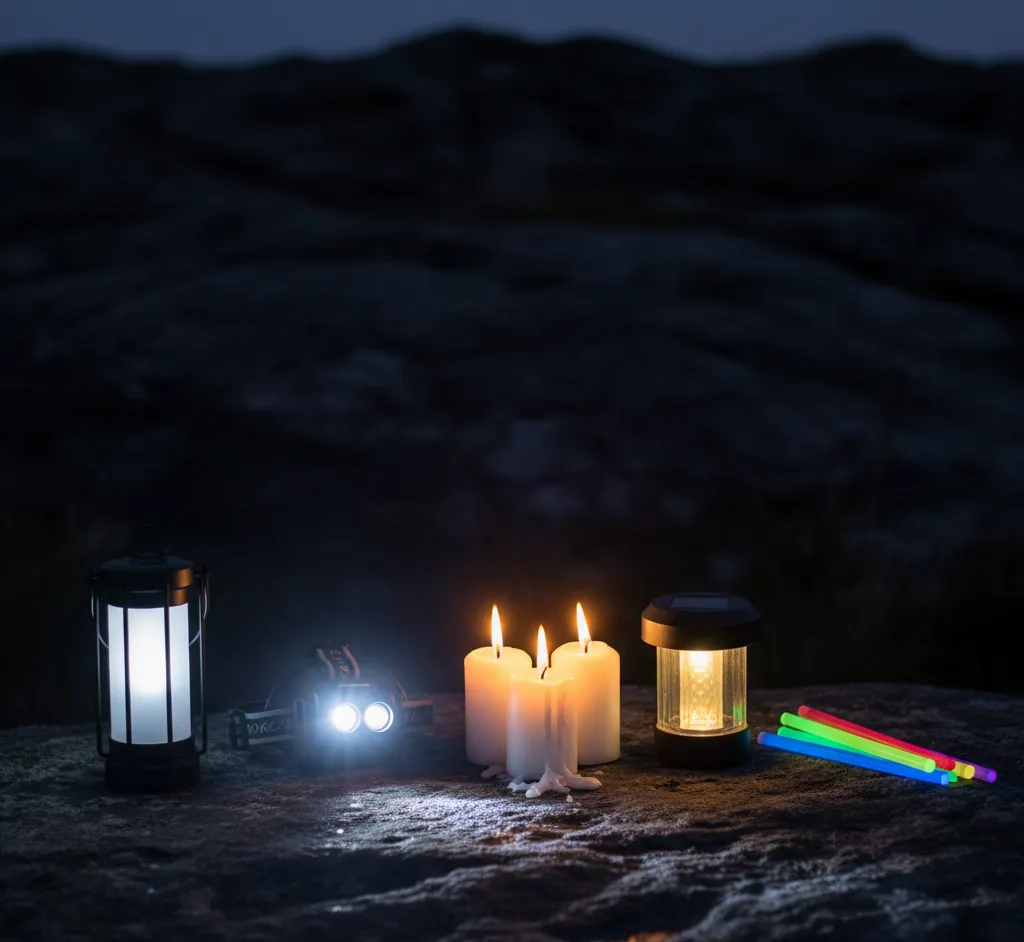
Emergency Lighting Options for UK Homes and Power Cuts
The best emergency lighting options for UK power cuts. Head torches, lanterns, candles, solar lights and battery backup options compared.
How to Charge Your Phone During a UK Power Cut — Full Guide
How to keep your phone charged during a UK power cut. Power banks, solar chargers, car charging tips and battery-saving settings explained.