This page contains affiliate links. If you purchase through them we may earn a small commission at no extra cost to you. Learn more
Best Emergency Blankets for UK Hikers and Campers 2026
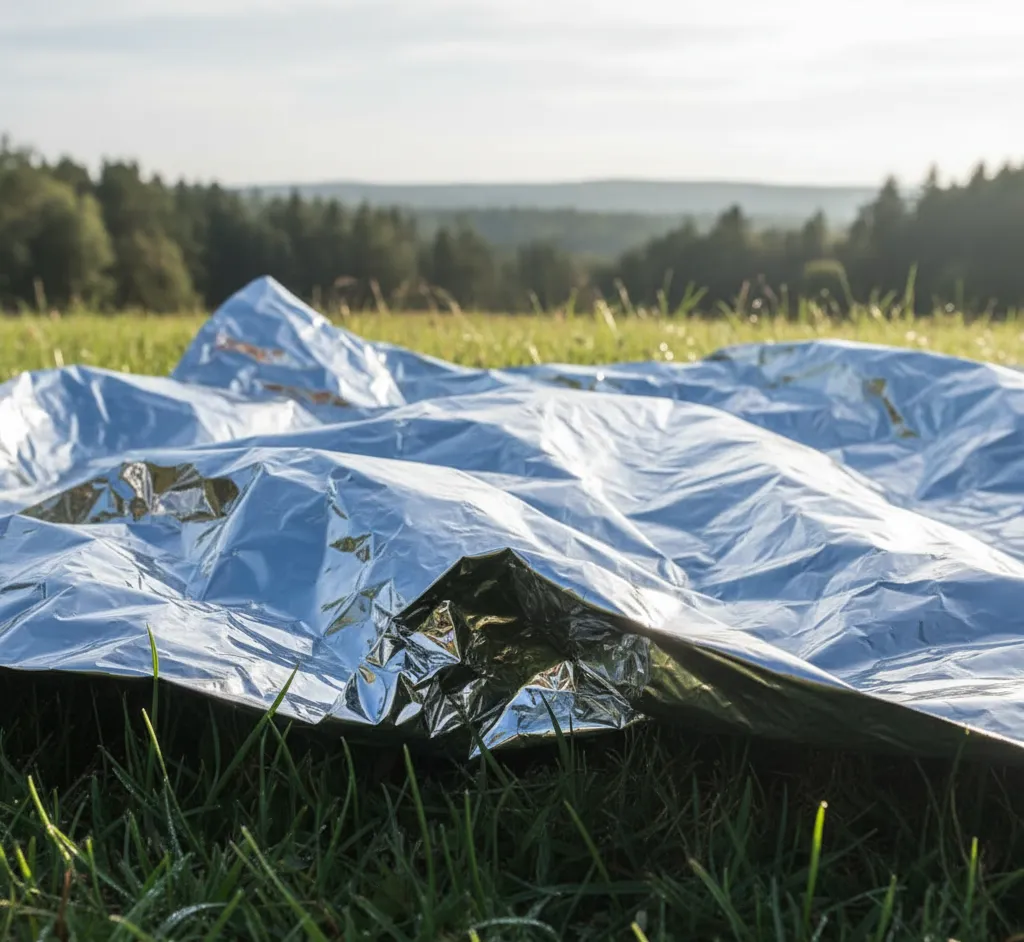
When Would You Actually Use One?
Hopefully never. But emergency blankets exist for those situations where things go wrong: a companion gets hypothermic, you're benighted on a mountain, an injury forces a long wait for rescue, or your shelter fails in extreme weather.
They reflect up to 90% of body heat back to you, block wind, and provide emergency waterproofing. For the weight (50–120g), there's no excuse not to carry one. We've carried an SOL Emergency Bivvy on every walk for years. It's never been used in a genuine emergency, but knowing it's there provides real peace of mind.
How Emergency Blankets Work
The reflective surface (usually metallised polyethylene or mylar) bounces infrared radiation — your body heat — back towards you. Combined with wind blocking and waterproofing, this can raise the effective temperature inside the blanket by 10-15°C. In a hypothermia situation, that's the difference between life and death.
Top 5 Emergency Blankets
1. SOL Emergency Bivvy — ~£12 (Best Overall)
A sleeping-bag-shaped emergency blanket that seals you inside. 120g, reflective interior, bright orange exterior for visibility. Much more practical than a flat blanket because you can seal in warmth.
Pros: Bivvy shape retains more heat, orange visibility, seals around you Cons: Single-use really, condensation is horrific, noisy
2. SOL Heavy Duty Emergency Blanket — ~£8 (Best Flat Blanket)
Thicker than standard mylar, vacuum-metallised polyethylene. Reusable for multiple uses, 100g. Can be used as a blanket, ground sheet, windbreak or signalling device.
Pros: More durable than basic mylar, reusable, versatile, lightweight Cons: Not as effective as a bivvy shape, still noisy, limited durability
3. Lifesystems Thermal Blanket — ~£3 (Cheapest Option)
Standard mylar space blanket, 60g, £3. Buy five and put one in every bag, car and jacket pocket. Not durable but incredibly cheap insurance.
Pros: Extremely cheap, ultralight, fits anywhere Cons: Tears easily, single-use, noisy, hard to manage in wind
4. Blizzard Survival Blanket — ~£15 (Best for Serious Use)
Reflexcell technology — multiple insulating layers with reflective surfaces. Used by UK military and Mountain Rescue. Significantly warmer than basic mylar.
Pros: Genuinely warm, used by professionals, multiple insulating layers Cons: More expensive, heavier (280g), bulkier
5. Terra Nova Bothy Bag 2 — ~£40 (Best Group Shelter)
Not a blanket but a group emergency shelter you sit inside. Two people, 300g, blocks wind completely and traps body heat. Standard kit for UK hill walkers and recommended by Mountain Rescue.
Pros: Reusable, excellent wind protection, warms quickly with body heat Cons: Needs two people ideally, more expensive, heavier, not a blanket
SOL Emergency Bivvy
Amazon UK120g
Reflective polyethylene
Bivvy (sealed)
Orange exterior
Pros
- +Bivvy shape seals warmth in far better than a flat blanket
- +Bright orange exterior for helicopter visibility
- +120g fits in any pack, jacket, or car glovebox
Cons
- −Essentially single-use — tears when you get out
- −Condensation inside is extreme
The best format for emergency warmth retention. Twelve quid of genuine life insurance.
View dealAffiliate link — we may earn a small commission at no extra cost to you
Blizzard Survival Blanket
Amazon UK280g
Reflexcell multi-layer
3 insulating + reflective
UK Military, Mountain Rescue
Pros
- +Multiple insulating layers provide genuine warmth
- +Used by UK military and Mountain Rescue teams
- +Reusable — not a disposable product
Cons
- −280g is heavier than basic mylar options
- −More expensive than simple emergency blankets
The professional-grade emergency blanket. If Mountain Rescue trusts it, you can too.
View dealAffiliate link — we may earn a small commission at no extra cost to you
Terra Nova Bothy Bag 2
Amazon UK300g
2 person
PU-coated nylon
Orange
Pros
- +Complete wind shelter for two people
- +Traps combined body heat rapidly
- +Standard Mountain Rescue equipment
Cons
- −Works best with two people inside
- −More of a shelter than a blanket
The group emergency shelter that every hill walking pair should carry. Reusable and genuinely effective.
View dealAffiliate link — we may earn a small commission at no extra cost to you
How to Use an Emergency Blanket Effectively
- Get out of the wind first — find or create shelter before wrapping up. The blanket's effectiveness drops dramatically in exposed wind.
- Insulate from the ground — sit on your pack, not bare ground. Ground contact is the fastest way to lose heat.
- Wrap tightly — seal gaps where warm air escapes. The blanket only works if it traps a layer of warm air.
- Reflective side IN — towards your body to reflect heat back. The shiny side faces you.
- Stay still — movement pumps warm air out through gaps.
- Put on dry clothes first if possible — a blanket over wet clothes is far less effective because wet fabric conducts heat away from your body.
Where to Carry Them
- Day pack: SOL Emergency Bivvy — 120g, fits in any pocket
- Car glovebox: SOL Heavy Duty Blanket — always available
- Emergency grab bag: Blizzard Survival Blanket — proper warmth for evacuations
- Every jacket: Lifesystems Thermal Blanket — 60g, fits in a coat pocket
The cost of putting an emergency blanket in every location is under £30. The weight is negligible. The potential value is priceless.
Ready to gear up?
Use our kit builder to get a complete packout list tailored to your trip type, terrain, and budget — with prices and buy links.
Related reading
Carbon Monoxide Safety for UK Homes — Detection Guide
CO poisoning risks, detector placement, symptoms, and UK legal requirements. What to do if your alarm sounds or someone falls ill.
Boiler Failure Emergency: What to Do When Your Heating Dies
What to do when your boiler breaks down in the middle of winter — temporary heating options, finding emergency plumbers, and your rights as a tenant.

Burst Pipe Emergency — Stop the Damage and Prevent Freezing
What to do in a burst pipe emergency — turn off the stopcock, limit water damage, prevent frozen pipes, and make a successful insurance claim.
Build your kit
Get a tailored packout list with prices and buy links.
Start building