This page contains affiliate links. If you purchase through them we may earn a small commission at no extra cost to you. Learn more
Boiler Failure Emergency: What to Do When Your Heating Dies
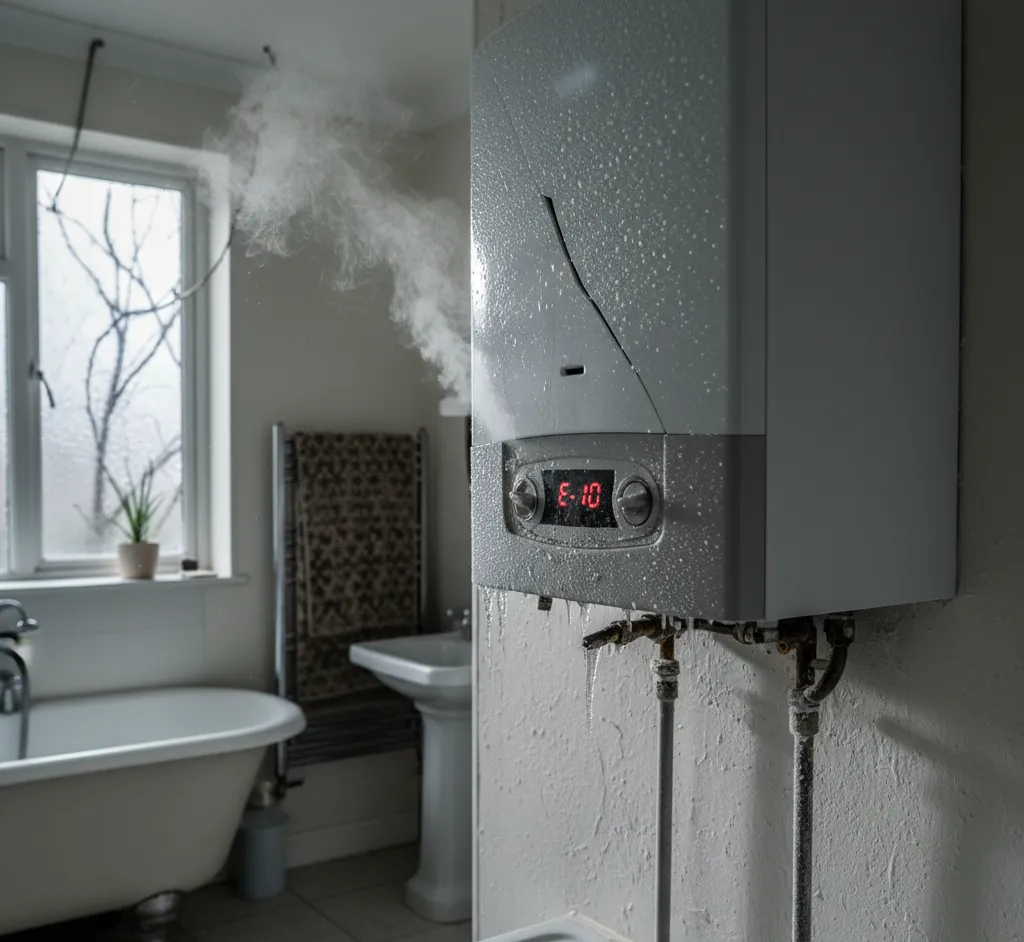
Quick Summary
- Before calling an engineer, check the pressure gauge, thermostat, and whether it's just a power cut
- Use hot water bottles, extra layers, and close off unused rooms to stay warm while you wait
- Tenants: your landlord must fix heating within a reasonable time — 24 hours in severe cold
The Boiler Always Dies at the Worst Time
It's January. It's minus three outside. You wake up and the house is freezing. The boiler's dead.
This happens to thousands of UK households every winter. Boilers work hardest when it's coldest, and that's when they're most likely to fail. Here's what to do — and what not to do.
Quick Checks Before Calling an Engineer
Before you spend money on a callout, check these first. About a third of "breakdowns" are actually simple fixes:
1. Check the Pressure
Look at the pressure gauge on your boiler. If it's below 1 bar, the boiler won't fire. You can repressurise it yourself:
- Find the filling loop (usually a silver or grey braided hose under the boiler)
- Open the valve(s) slowly until the gauge reads between 1 and 1.5 bar
- Close the valve(s)
- Reset the boiler
2. Check for Error Codes
Most modern boilers display an error code when something's wrong. Check your manual (or search your boiler model online) — some codes indicate simple fixes.
3. Check the Thermostat
- Is it set high enough?
- Are the batteries dead (if it's wireless)?
- Has someone accidentally changed the timer?
4. Check the Power Supply
- Is the boiler switched on at the wall?
- Has a fuse tripped in your consumer unit?
- Is there a wider power cut? (Call 105 to check)
5. Check the Condensate Pipe
In freezing weather, the condensate pipe (the plastic pipe that runs from your boiler to an outside drain) can freeze solid. This is extremely common and causes the boiler to shut down.
To thaw it:
- Pour warm (not boiling) water over the frozen section of the pipe
- Use a hot water bottle or heat wrap against the pipe
- Once thawed, reset the boiler
- To prevent it recurring, lag the condensate pipe
The frozen condensate pipe fix
Staying Warm While You Wait
If the boiler genuinely needs an engineer, you might be waiting hours or days in peak winter. Here's how to stay warm:
Quick Wins
- Layer up — Multiple thin layers trap heat better than one thick one. Don't forget hats indoors — you lose a lot of heat from your head
- Hot water bottles — If you have a gas hob, you can still boil a kettle. Fill hot water bottles and keep them close
- Close off rooms — Concentrate in one or two rooms. Close doors to unoccupied rooms
- Block draughts — Rolled-up towels at the bottom of doors
- Curtains shut — As soon as it gets dark, close all curtains
- Sleeping bags — If you have them, they're warmer than duvets
Safe Temporary Heating
- Electric fan heaters — The quickest way to heat a room if you have electricity. Use one rated at 2kW for a standard room
- Oil-filled radiators — Slower to heat up but efficient and safe to leave on
- Electric blankets — Put one on your bed to stay warm overnight
De'Longhi Dragon 4 Oil-Filled Radiator
Amazon UK2kW
Adjustable
24-hour
Up to 60m³
Pros
- +Safe to leave on overnight
- +Thermostat prevents overheating
- +Silent operation — no fan noise
Cons
- −Slow to heat up initially
- −Heavy to move between rooms
The safest backup heating for a boiler breakdown. Heats a bedroom or living room quietly and doesn't need supervision.
View dealAffiliate link — we may earn a small commission at no extra cost to you
CityComfort Hot Water Bottle with Fleece Cover (2L)
Amazon UK2 litres
BS 1970 rubber
Fleece
Stays warm 4-6hrs
Pros
- +Stays warm for hours
- +BS standard — safe and tested
- +Fleece cover prevents burns
Cons
- −Needs boiling water to fill
- −Only heats one person
The cheapest and simplest way to stay warm when the heating is out. Buy two — one for bed, one for the sofa.
View dealAffiliate link — we may earn a small commission at no extra cost to you
Dangerous heating sources
Finding an Emergency Plumber or Heating Engineer
Where to Look
- Gas Safe Register — gassaferegister.co.uk. Any engineer working on gas boilers must be Gas Safe registered. Non-negotiable
- Your boiler manufacturer — Many offer their own repair services
- Home emergency insurance — If you have it, call them first (see our home emergency insurance guide)
- Checkatrade or Trustmark — Vetted tradespeople with reviews
- Local recommendations — Ask neighbours, local Facebook groups, or Nextdoor
What to Expect to Pay
Emergency callout rates in winter are steep. Typical costs:
| Service | Typical Cost |
|---|---|
| Emergency callout (weekday) | £80–£150 |
| Emergency callout (evening/weekend) | £120–£250 |
| Common repair (fan, pump, valve) | £150–£350 |
| PCB (circuit board) replacement | £300–£500 |
| New boiler installation | £2,000–£4,500 |
Red Flags to Watch For
- No Gas Safe registration (check their card and verify online)
- Demands full payment upfront before diagnosis
- Pressure to replace the entire boiler without explanation
- Won't provide a written quote
- Cash only, no receipt
Your Rights as a Tenant
If you rent, your landlord is legally responsible for heating and hot water:
Landlord Obligations
- Annual gas safety check (they must give you a copy of the Gas Safety Certificate)
- Repairs within a "reasonable time" — in severe cold, this means 24 hours for heating
- If they don't respond, contact your local council's environmental health department
- You can't withhold rent, but you can report the landlord to the council
What Counts as an Emergency
A boiler breakdown in winter is considered an emergency repair. Your landlord should:
- Respond within 24 hours
- Provide temporary heating if the repair will take longer
- Cover the cost of repair or replacement
If Your Landlord Won't Act
- Report the issue in writing (email is fine — keep records)
- Contact your local council's environmental health team
- Contact Shelter for advice (0808 800 4444)
- In severe cases, the council can issue an improvement notice or do the work and charge the landlord
Preventing Future Breakdowns
Annual Service
Get your boiler serviced every year, ideally in September or October before peak demand. A service costs £60–£100 and catches problems before they become breakdowns.
Boiler Cover
Monthly boiler cover plans typically cost £10–£25/month and cover:
- Annual service
- Breakdown repairs
- Parts and labour
- Some include emergency callout
Whether it's worth it depends on your boiler's age. For boilers under 5 years old (usually under warranty), probably not. For boilers over 8 years old, it's worth considering.
Lag That Condensate Pipe
If your condensate pipe runs externally, lag it with pipe insulation. It costs about £3 and prevents the most common winter boiler failure.
Keep the Heating On Low
If you're away in winter, don't turn the heating off completely. Set it to at least 12°C to prevent freezing. A frozen pipe is far more expensive than a slightly higher gas bill.
A boiler breakdown is stressful, especially in winter. But with the quick checks above, some temporary warmth solutions, and a Gas Safe engineer on speed dial, you'll get through it.
Ready to gear up?
Use our kit builder to get a complete packout list tailored to your trip type, terrain, and budget — with prices and buy links.
Related reading
Winter Readiness for UK Homes: Seasonal Prep Guide
Prepare your UK home for winter — pipe lagging, boiler servicing, draught-proofing, de-icer supplies, and staying warm when it's freezing.
Emergency Preparedness for UK Homes: Your Complete Guide
A practical guide to emergency preparedness for UK homes covering floods, storms, power cuts, and everything in between.
Power Cut Preparation for UK Homes: Full Checklist
How to prepare for power cuts in the UK — torches, batteries, food preservation, heating alternatives, and keeping your phone charged.
Home Emergency Insurance in the UK: Is It Worth It?
A breakdown of home emergency insurance cover in the UK — what's included, what's not, and whether it's worth paying for.