This page contains affiliate links. If you purchase through them we may earn a small commission at no extra cost to you. Learn more
Best Emergency Food for a 72-Hour Kit — UK 2026

Quick Summary
- Supermarket tins do the job for a standard 72-hour kit — no need for specialist food unless you want long shelf life or compactness
- ReadyWise freeze-dried meals are a practical option for extended kits or bug-out bags where weight and shelf life matter
- Every freeze-dried meal needs boiling water — factor that into your water planning
What You Actually Need
A 72-hour emergency food kit does not need to be impressive. It needs to sit quietly in a cupboard for months or years, be ready when you need it, and keep people fed without drama.
Most UK households already have a 72-hour food supply if they count properly — tins of beans, dried pasta, instant porridge, biscuits. The problem is usually that it depends on refrigeration, electricity, or cooking equipment that may not be available during the emergency you're preparing for.
This guide covers the step above that: food designed specifically for emergencies, with long shelf lives, high calorie density, and no refrigeration required. Freeze-dried rations from companies like ReadyWise sit at the top of that category.
The ReadyWise Approach
ReadyWise (readywise.co.uk) makes freeze-dried and dehydrated meals aimed at both outdoor use and home emergency preparedness. The UK range includes individual meal pouches and multi-day supply kits.
The core argument for freeze-dried emergency food over supermarket alternatives is threefold:
Shelf life. Properly sealed freeze-dried products last up to 25 years in cans, or 5–7 years in pouches. A tin of baked beans lasts 2–3 years. If you want to build a supply and forget about it for a decade, freeze-dried is the only sensible option.
Weight and bulk. A freeze-dried meal typically weighs 60–100g per serving. The equivalent calorie content in tinned food weighs three to four times as much. For a bug-out bag or emergency kit you carry, this matters. For a cupboard at home, it matters less.
Calories per serving. Freeze-dried rations are designed around genuine calorie needs in a stressful or physically demanding situation. A typical ReadyWise entrée runs 200–400 kcal per serving; a full-day kit provides 1,800–2,000 kcal. Supermarket alternatives vary wildly and you need to do the maths yourself.

Affiliate partner
ReadyWise
ReadyWise — freeze-dried emergency food with up to 25-year shelf life
How Freeze-Dried Food Works
The process: food is cooked, then frozen rapidly, then placed in a vacuum chamber where the ice converts directly to vapour without going through a liquid phase. What remains is a lightweight, porous structure that rehydrates quickly when water is added.
The result preserves flavour and texture better than any other preservation method. A freeze-dried scrambled egg rehydrated with boiling water is recognisably egg. A dehydrated scrambled egg is a pale imitation. The difference matters if you're eating these meals for days at a stretch during a stressful event.
Shelf life depends on oxygen content inside the packaging. Cans with oxygen absorbers achieve the 25-year figure. Pouches are less hermetically sealed and rate at 5–7 years. Both require storage below 21°C — a standard UK cupboard temperature, not a cellar or fridge.
What a Practical 72-Hour Kit Looks Like
For a household of two adults, a realistic 72-hour emergency food kit needs to cover nine meals plus snacks — roughly 3,600–5,000 kcal per person over three days, depending on activity level.
Option A: Supermarket-Based (about £25, adequate)
- Tinned beans, chickpeas, and tuna (8–10 tins)
- Instant porridge sachets (box of 10)
- Crackers, oatcakes (2–3 packs)
- Peanut butter (1 jar)
- Cereal bars and flapjacks (box of 12)
- Dried fruit and nuts (3 bags)
- Instant noodles (8 packs)
- UHT milk (2 litres)
This covers all nutritional bases, lasts 1–3 years, and works with boiling water or no cooking at all. The main limitation is bulk and the need to track and rotate items.
Option B: Freeze-Dried Supplement (about £60–80 for two people, three days)
Replace the hot meals in Option A with freeze-dried pouches. Keep the no-cook supermarket items as backup. This gives you:
- Better calorie density per gram
- Longer shelf life without rotation
- Hot meals that take 8 minutes with boiling water
- A noticeably higher morale factor
ReadyWise's meal pouches cover breakfast, lunch, and dinner categories. Calorie counts and serving sizes are on every pouch — check them before buying, as "serves 2" on a 200 kcal pouch is not realistic for adults doing any physical activity.
ReadyWise 28-Serving Grab & Go Dry-Bag
ReadyWise UK28
3 days for 1 person
25 years
Dry-bag (water-resistant)
Pros
- +Three full days of breakfast/lunch/dinner for one adult
- +Sealed drybag doubles as storage if you move
- +25-year shelf life — genuine buy-and-forget
Cons
- −~£3.20 per meal — premium vs supermarket
- −Needs boiling water for every serving
The single-purchase answer for a one-person 72-hour supply. If you want zero planning and zero rotation anxiety, this is it.
View dealAffiliate link — we may earn a small commission at no extra cost to you
ReadyWise 60-Serving Breakfast & Entree DryBag
ReadyWise UK60
7 days for 1 person or 3.5 days for 2
25 years
Dry-bag
Pros
- +Covers a full week of hot meals for one adult
- +Mix of breakfast + entree recipes for meal variety
- +Same premium shelf life as the smaller drybag
Cons
- −Bigger up-front cost — hard to justify unless you're committed
- −Still water-dependent
The obvious step up from the 28-serving bag for anyone serious about a 7-day plan or a two-person 72-hour kit.
View dealAffiliate link — we may earn a small commission at no extra cost to you
Option C: Dedicated Emergency Supply Kit
ReadyWise sells pre-assembled kits covering 72 hours for one or two people, with a mix of freeze-dried and dehydrated options. These are convenient if you want a single purchase that ticks the box. Price per day per person is higher than building your own kit, but you save the planning time and they come in purpose-designed storage.
If you're new to freeze-dried food and not ready to commit to a full kit, start with the sample — it's under £15 and covers enough meals to decide whether the texture and flavour actually work for you before you spend ten times that on a drybag supply.
ReadyWise UK Emergency Food Sample
ReadyWise UKSample pack
Up to 25 years
Taste test before committing
Pros
- +Cheapest way to taste-test the entire range
- +Removes the biggest barrier — 'what if I hate it?'
- +Low-commitment first order
Cons
- −Not a full meal — for evaluation only
- −Still needs boiling water
The sensible first buy. Taste before you stock a drawer with £200 of food you might not eat.
View dealAffiliate link — we may earn a small commission at no extra cost to you
Water Requirements
This is the part most people miss when building a freeze-dried emergency food kit.
Every hot meal needs 250–350ml of boiling water. A household of two eating three hot meals a day burns through an extra 1.5–2 litres of water daily, on top of the 2 litres per person per day you need for drinking and hygiene.
For a 72-hour kit: budget at least 18–20 litres of water per two adults if you're relying on freeze-dried meals. See our emergency water supply guide for practical storage options.
If your emergency scenario might involve limited water, keep enough supermarket no-cook food to fall back on — tinned fruit, nut bars, and crackers need nothing.
Heating water without electricity
Shelf Life in Practice
The headline shelf-life figures assume ideal storage conditions. In practice:
- A kitchen cupboard in a UK home fluctuates between 15°C and 22°C seasonally. This is acceptable — the 25-year figure assumes 21°C or below.
- A garage or loft can reach 30°C+ in summer. This will significantly reduce shelf life. Do not store emergency food in uninsulated outbuildings.
- Freeze-dried product is stable once sealed; humidity and light affect the outer packaging more than the food inside. Keep pouches in their original containers or sealed boxes.
Label everything with the purchase date. Pouches can be inspected for damage at the same time — a pouch that has lost its vacuum seal (feels soft and flexible rather than firm) should be replaced regardless of the printed date.
Honest Assessment
Freeze-dried emergency food from ReadyWise is a legitimate, well-made product that solves a real problem: long-term shelf life with minimal maintenance. If you want to build a kit and not think about it for five or ten years, it is the right category to buy in.
For a standard 72-hour home kit where you check and rotate stock annually, supermarket food is cheaper and equally effective. The honest answer for most UK households is a hybrid: supermarket staples for the daily-life items, a box of freeze-dried pouches for the insurance layer you never want to touch.
Whatever you choose, the kit is only useful if you also have water, a way to heat it, and the means to open or prepare the food in the dark during a power cut. Sort those first, then optimise the food.
Ready to gear up?
Use our kit builder to get a complete packout list tailored to your trip type, terrain, and budget — with prices and buy links.
Related reading
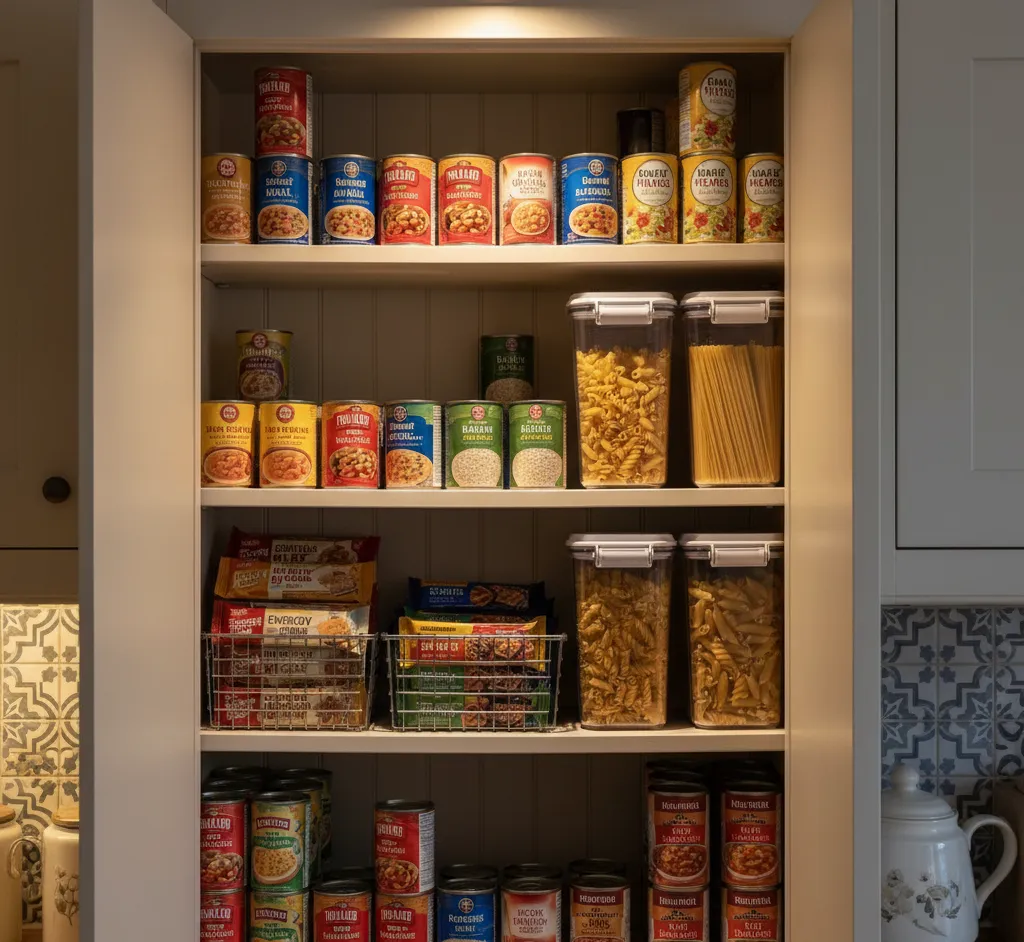
Emergency Food Storage for UK Homes — What to Stock and Keep
How to build a practical 72-hour emergency food supply for UK homes — shelf-stable options, rotation systems, and budget-friendly choices.
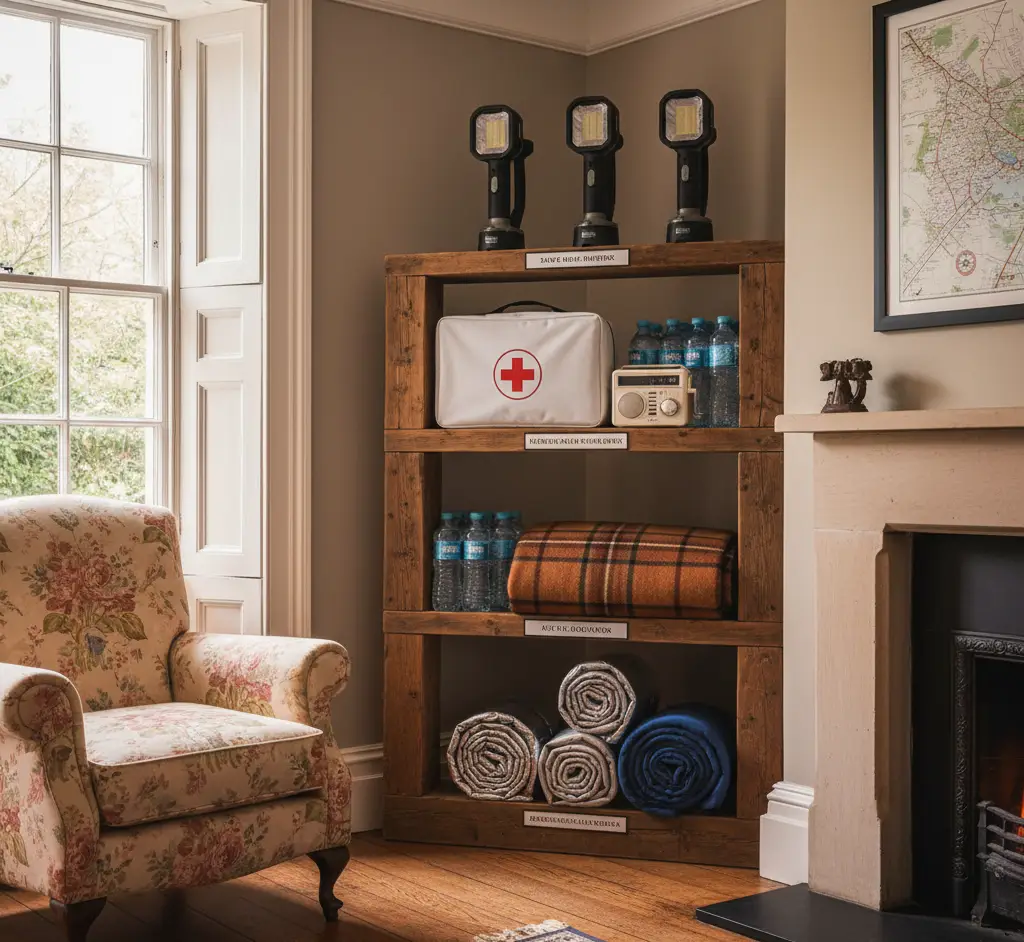
Emergency Preparedness for UK Homes: Your Complete Guide
A practical guide to emergency preparedness for UK homes covering floods, storms, power cuts, and everything in between.
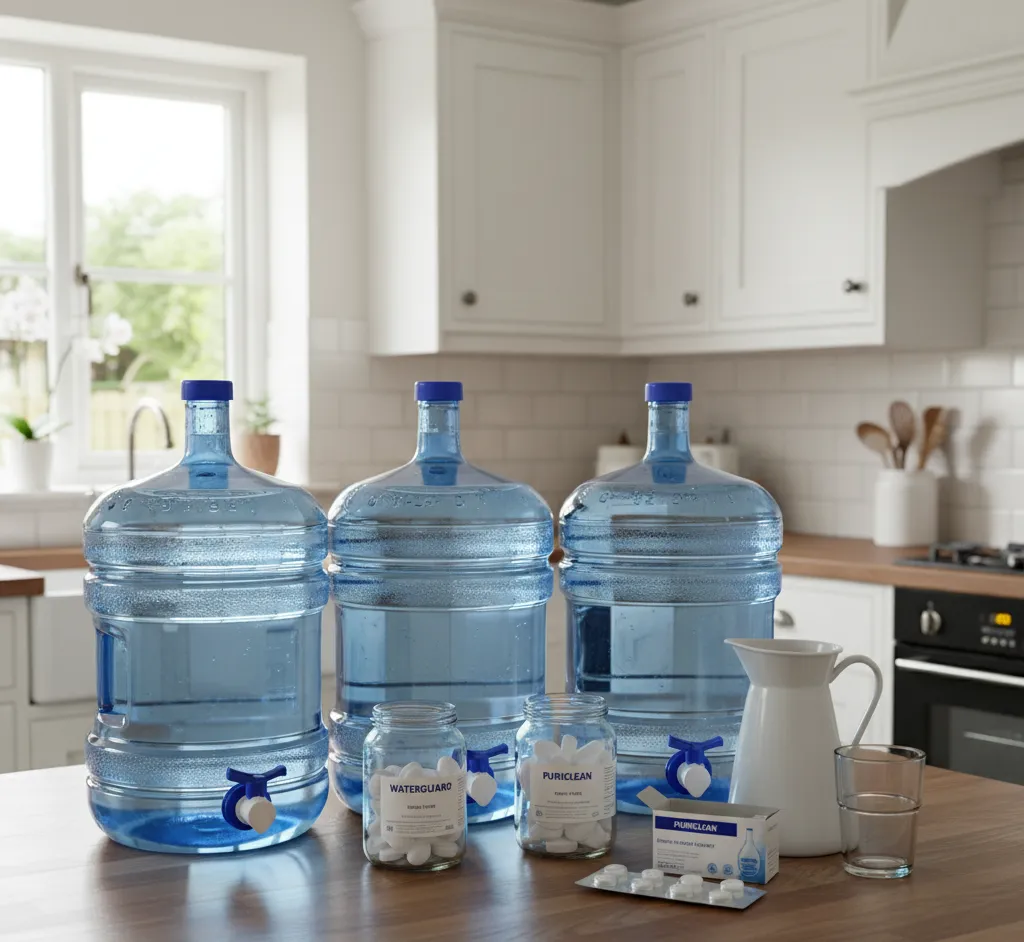
Emergency Water Supply for UK Homes: How to Prepare
How to store emergency water, purify water in an emergency, and deal with mains water supply disruptions in UK homes. Practical advice.

Power Cut Preparation for UK Homes: Full Checklist
How to prepare for power cuts in the UK — torches, batteries, food preservation, heating alternatives, and keeping your phone charged.