This page contains affiliate links. If you purchase through them we may earn a small commission at no extra cost to you. Learn more
Emergency Kits & Bags Guide for UK Preparedness 2026
Why Emergency Kits Matter in the UK
We're not talking about doomsday prepping. We're talking about practical preparedness for things that actually happen in Britain:
- Power cuts — Storm Arwen in 2021 left thousands without power for over a week
- Flooding — increasingly common across England and Wales
- Severe weather — snow, ice, storms that close roads and disrupt supply chains
- Gas leaks or chemical spills — requiring rapid evacuation
- Water supply disruption — happens more often than you'd think
The UK government recommends every household have emergency supplies. Most don't. Be the exception.
Types of Emergency Kit
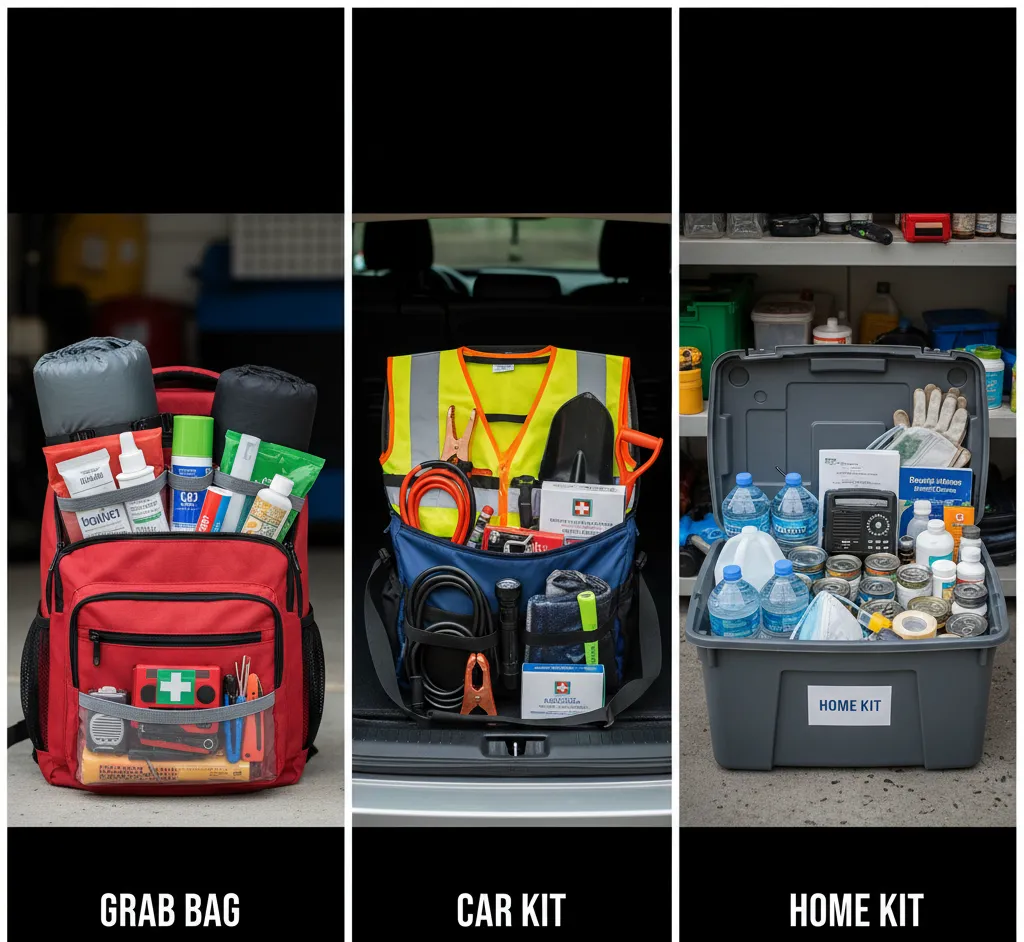
1. Home Emergency Kit
Supplies to sustain you at home during a power cut, water disruption or isolation period. Stays at home.
2. Grab Bag (Bug-Out Bag)
A pre-packed bag you grab if you need to evacuate quickly — flooding, fire, gas leak. Lives by the front door or in the car.
3. Car Emergency Kit
Breakdown and severe weather supplies for your vehicle. Lives in the boot year-round.
4. Specialist Kits
Workplace kits, family/baby kits, pet kits, travel kits — tailored to specific needs.
Pre-Made vs. DIY: Honest Assessment
| Pre-Made Kits | DIY Kits | |
|---|---|---|
| Cost | £30–100+ | £50–150 |
| Quality | Variable (often poor) | You control it |
| Customisation | None | Complete |
| Convenience | High | Low (takes time) |
| Common issue | Cheap components, missing essentials | Requires research |
Our honest view: Most pre-made emergency kits on Amazon are rubbish. They're stuffed with cheap items that look good in photos but fail when you need them. The "72-hour survival kit" for £25 with 47 items? Those items are worth about £5 total.
Build your own. It takes an afternoon, costs £50–150, and you'll know exactly what you have and how to use it.
The Essential Categories
Every emergency kit, regardless of type, should cover these six needs:
- Water — storage, purification, access
- Food — non-perishable, no-cook options
- Warmth — blankets, layers, heat source
- Light — torches, lanterns, batteries
- Communication — radio, phone charging, whistle
- First aid — injuries, medication, hygiene
Storage Tips
- Check and rotate supplies every 6 months — replace expired food, test batteries, update medications
- Use waterproof containers — dry bags or sealed plastic boxes
- Keep grab bags accessible — not buried in the loft
- Tell your household where the kits are and what's in them
- Include copies of important documents — insurance, passports, medical info (or store digitally on a USB drive)
Getting Started
Don't try to build the perfect kit in one go. Start with the basics:
Week 1: Water (2L per person per day, 3 days' supply) + torch + batteries Week 2: First aid kit + medications + emergency blanket Week 3: Non-perishable food + tin opener + radio Week 4: Important documents + cash + phone charger
Within a month, you'll have a solid emergency kit for about £50. Build from there as budget allows.
Recommended Products
Lifesystems Trek First Aid Kit
Amazon UK170g
30+
Pros
- +Compact with essentials
- +Waterproof pouch
- +Widely available
Cons
- −Basic quality
- −No SAM splint
The foundation of any emergency kit.
View dealAffiliate link — we may earn a small commission at no extra cost to you
Anker PowerCore 10000
Amazon UK10,000mAh
180g
Pros
- +Reliable
- +Cheap
- +Two phone charges
Cons
- −Basic design
- −Needs pre-charging
Phone charging is essential in any emergency scenario.
View dealAffiliate link — we may earn a small commission at no extra cost to you
SOL Emergency Bivvy
Amazon UK120g
Reflective
Pros
- +120g emergency shelter
- +Reflects 90% body heat
- +Orange visibility
Cons
- −Single-use
- −Condensation
The lightest emergency shelter available.
View dealAffiliate link — we may earn a small commission at no extra cost to you
Types of Emergency Kits
- Grab bag (72-hour): For evacuations. 72 hours of self-sufficiency.
- Home emergency kit: For sheltering in place during power cuts, storms, flooding.
- Car emergency kit: For breakdowns and being stranded.
- Office/work kit: For being stuck at work during transport disruptions.
- Travel kit: For emergencies while travelling domestically or internationally.
Each serves a different scenario. At minimum, every UK household should have a home emergency kit and each adult should have a grab bag.
Building on a Budget
You can build a comprehensive grab bag for under 100 pounds. Start with the essentials (water, food, warmth, light, first aid, documents) and add items over time. Most items come from Decathlon, Poundland, and your existing wardrobe.
Ready to gear up?
Use our kit builder to get a complete packout list tailored to your trip type, terrain, and budget — with prices and buy links.