This page contains affiliate links. If you purchase through them we may earn a small commission at no extra cost to you. Learn more
Winter Camping Guide for the UK — Cold Weather Tips and Gear
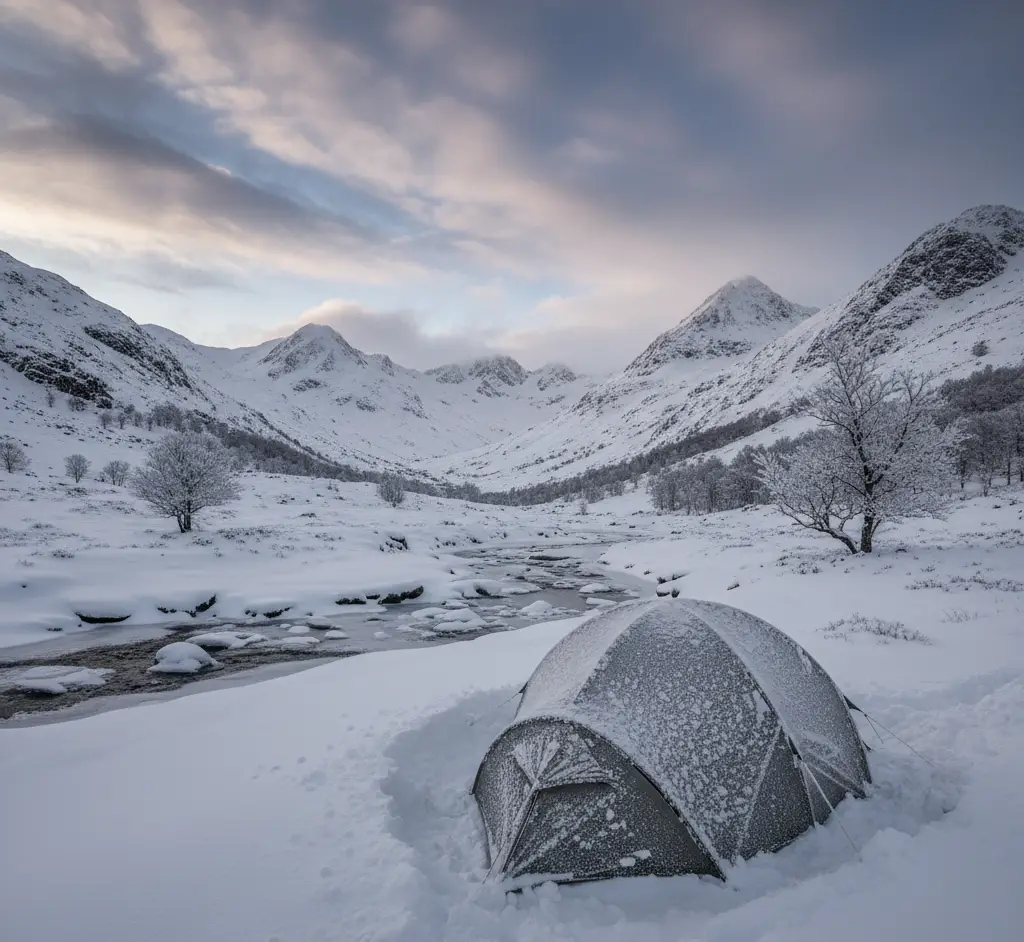
Winter Camping Guide — UK
Winter camping is the Marmite of the outdoor world — some people love it, some think you're mad. Sleeping out when it's cold, dark, and potentially snowy isn't for everyone. But done right, it's one of the most rewarding outdoor experiences you can have.
Is Winter Camping for You?
Be honest with yourself. If you're not comfortable camping in summer, winter isn't the next step. Winter camping requires:
- Good quality gear (it doesn't have to be expensive, but it must work)
- The ability to stay warm, fed, and hydrated in cold conditions
- Navigation skills (you'll be walking in the dark)
- Mental resilience (long, cold nights test your resolve)
- Experience in changing conditions
If that sounds appealing, read on. If not, there's no shame in waiting for spring.
What Makes Winter Different
Cold
Night-time temperatures on UK mountains regularly drop below -10°C in winter. Even at low level, -5°C is common. Wind chill makes it feel much colder. Everything takes longer when you're cold — setting up camp, cooking, even thinking clearly.
Dark
In December, Scotland gets around 7 hours of daylight. Even southern England manages only 8. You'll be walking to camp in the dark, spending long evenings in your tent, and possibly starting your day before dawn.
Weather
Winter storms in the UK can be serious. High winds, driving rain or snow, whiteout conditions on mountains, and ice on paths. Mountain conditions can be genuinely alpine — crampons and ice axes territory.
Snow and Ice
UK mountains carry snow from November to April most years. The Scottish Highlands can have substantial snowpack. Snow changes the game completely — navigation is harder, terrain is more dangerous, and self-arrest skills may be needed.
UK mountains in winter conditions are serious. Avalanches occur in Scotland, cornices collapse, and whiteout navigation on featureless plateaux has caught out experienced mountaineers. Don't underestimate the risks.
Essential Gear
Sleeping System
This is the most critical upgrade for winter:
- Sleeping bag: Four-season or winter rated, comfort temperature -10°C or lower. Down bags are lighter but useless if wet — synthetic is more forgiving.
- Sleeping mat: R-value 5 or above. The ground is the biggest source of heat loss. Consider doubling up mats — a foam mat underneath an inflatable.
- Liner: A fleece liner adds warmth and keeps the bag cleaner.
Tent
A four-season or strong three-season tent with:
- Geodesic or semi-geodesic design for wind resistance
- Snow valance or the ability to bury the flysheet edges
- Good ventilation to manage condensation
- Strong poles that handle wind loading
Clothing
Layering is everything:
- Base layer: Merino wool or quality synthetic. Avoid cotton — it kills in cold conditions.
- Mid layer: Fleece and/or insulated jacket.
- Outer layer: Waterproof and windproof shell. Gore-Tex or equivalent.
- Camp layer: A big insulated jacket (down or synthetic) that you only wear in camp.
- Extremities: Warm hat, gloves (bring spares), thick socks, buff or balaclava.
- Spare dry set: Having dry base layers to change into at camp is non-negotiable.
Cooking
- Gas stoves lose efficiency in cold temperatures. Keep canisters warm (inside your jacket, or in your sleeping bag at night).
- Consider a liquid fuel stove for very cold conditions.
- Cook from inside your tent porch if conditions demand it — but with extreme caution for carbon monoxide.
- Hot drinks are a morale and warmth lifeline. Carry a flask and fill it before bed.
Fill a water bottle with hot water before bed and put it in your sleeping bag. It acts as a hot water bottle and you've got liquid water in the morning (everything else may have frozen).
Other Essentials
- Head torch with spare batteries — you'll use it a lot. Cold reduces battery life.
- Trowel — frozen ground makes digging catholes very difficult. Consider a WAG bag system.
- Crampons and ice axe — if heading onto mountains with snow and ice.
- Map, compass, and GPS — navigation in winter conditions requires all of these.
Safety
Hypothermia
The biggest risk in winter camping. Know the signs:
- Uncontrollable shivering
- Confusion and poor decision-making
- Slurred speech
- Loss of coordination
Prevention is everything — stay dry, eat regularly, stay hydrated, and get into warm dry clothing as soon as you make camp.
Carbon Monoxide
Never cook inside a sealed tent. If using a stove in the porch, ensure adequate ventilation. CO is odourless and kills. This is non-negotiable.
Avalanche Awareness
In Scottish mountains with significant snowpack, avalanche risk is real. Check the Scottish Avalanche Information Service (SAIS) forecasts and know how to assess terrain. If you're not trained in avalanche awareness, stick to low-angle terrain.
Where to Start
Don't start on mountains. Begin with low-level winter camping:
- Woodland camps at low altitude
- Valley floors with easy escape routes
- Sites close to the car for your first attempts
- Dartmoor in mild winter conditions
Build up gradually. Camp in your garden first if you want to test your gear system.
Best Low-Level Winter Areas
- Dartmoor: Mild enough for comfortable winter camping most of the time. Exposed but not extreme.
- Forest areas: Woodland provides shelter from wind and feels less hostile than open moorland.
- Valley camps in the Lake District or Dales: Shelter from the worst weather while still being in beautiful surroundings.
The Rewards
Why bother? Because:
- Solitude. You'll have the hills to yourself. The crowds are at home.
- Scenery. Snow-covered mountains, frozen waterfalls, crisp clear skies — winter landscapes are stunning.
- Stars. The longest nights mean the best stargazing. Winter skies are often the clearest.
- Achievement. Camping comfortably in winter is a genuine skill. It builds confidence and self-reliance.
- Dawn. Winter sunrises are late enough to enjoy from your sleeping bag. No 4am alarms.
Recommended Gear for Winter Camping
Winter demands the most from your kit. These items address the biggest winter challenges — warmth and visibility.
Vango Nitestar Alpha 450 Sleeping Bag
Amazon UK-11°C
Synthetic insulation
2.1kg
Mummy
Pros
- +Rated for genuine UK winter temperatures
- +Synthetic fill works even when damp
- +Draft collar and hood keep heat in
Cons
- −Heavier and bulkier than equivalent down bags
A properly warm winter bag at a reasonable price. The synthetic fill is more forgiving than down when condensation inevitably builds up.
View dealAffiliate link — we may earn a small commission at no extra cost to you
Petzl Actik Core Head Torch
Amazon UK600
88g
Rechargeable Core + AAA compatible
115m
Pros
- +Essential for winter's 7-hour daylight
- +AAA backup when cold kills the rechargeable
- +Bright enough for walking in and out in the dark
Cons
- −Keep batteries warm — cold reduces output
In December you'll use your head torch more than any other piece of kit. The dual power system is crucial when cold drains batteries faster.
View dealAffiliate link — we may earn a small commission at no extra cost to you
Thermarest NeoAir XTherm Sleeping Mat
Amazon UK7.3
430g
6.4cm
23 x 10cm
Pros
- +R-value 7.3 stops cold ground stealing your heat
- +Incredibly warm for the weight
- +Packs small despite thick insulation
Cons
- −Expensive
- −Noisy when moving around
The ground is where you lose most heat in winter. This mat's R-value of 7.3 is the gold standard — your sleeping bag can't do its job without it.
View dealAffiliate link — we may earn a small commission at no extra cost to you
Winter camping isn't for everyone, and it doesn't have to be. But if you've camped through the other three seasons and want a new challenge, this is it. Take it seriously, prepare properly, and you'll discover a whole new dimension to outdoor life.
Ready to gear up?
Use our kit builder to get a complete packout list tailored to your trip type, terrain, and budget — with prices and buy links.
Related reading
Autumn Camping Guide for the UK — Tips, Gear and Best Spots
Autumn camping in the UK — shorter days, stunning colours, and quieter trails. How to camp comfortably from September to November.
Lightweight Camping Guide — Going Ultralight in the UK
How to reduce your camping pack weight without sacrificing comfort or safety — practical ultralight tips for UK wild camping.
Beginner's Guide to Wild Camping in the UK — Getting Started
A complete step-by-step guide to wild camping for first-timers — what you need, how to find a spot, and how to have a brilliant first night outdoors.
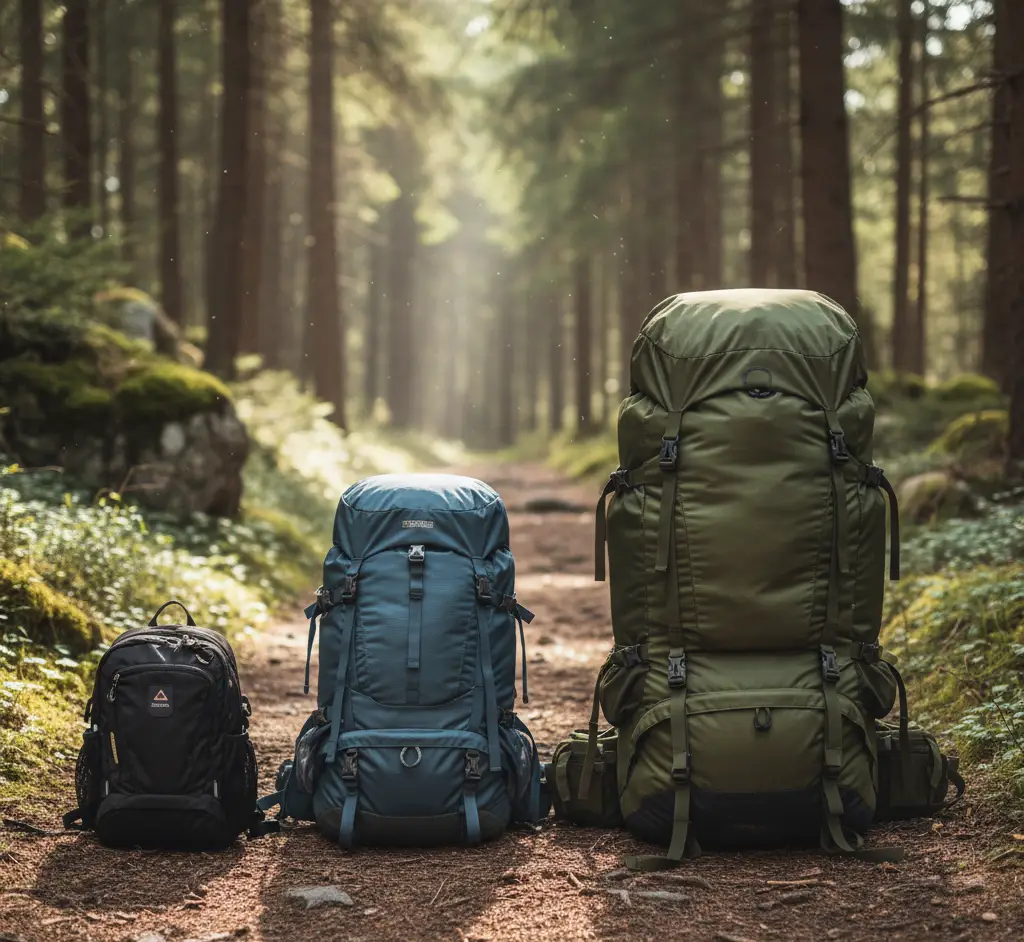
Best Rucksacks for Hiking and Wild Camping UK 2026
Best rucksacks and backpacks for hiking and camping in the UK 2026. Day packs to multi-day expedition rucksacks compared.