This page contains affiliate links. If you purchase through them we may earn a small commission at no extra cost to you. Learn more
Summer Camping Guide for the UK — Tips, Gear and Best Spots
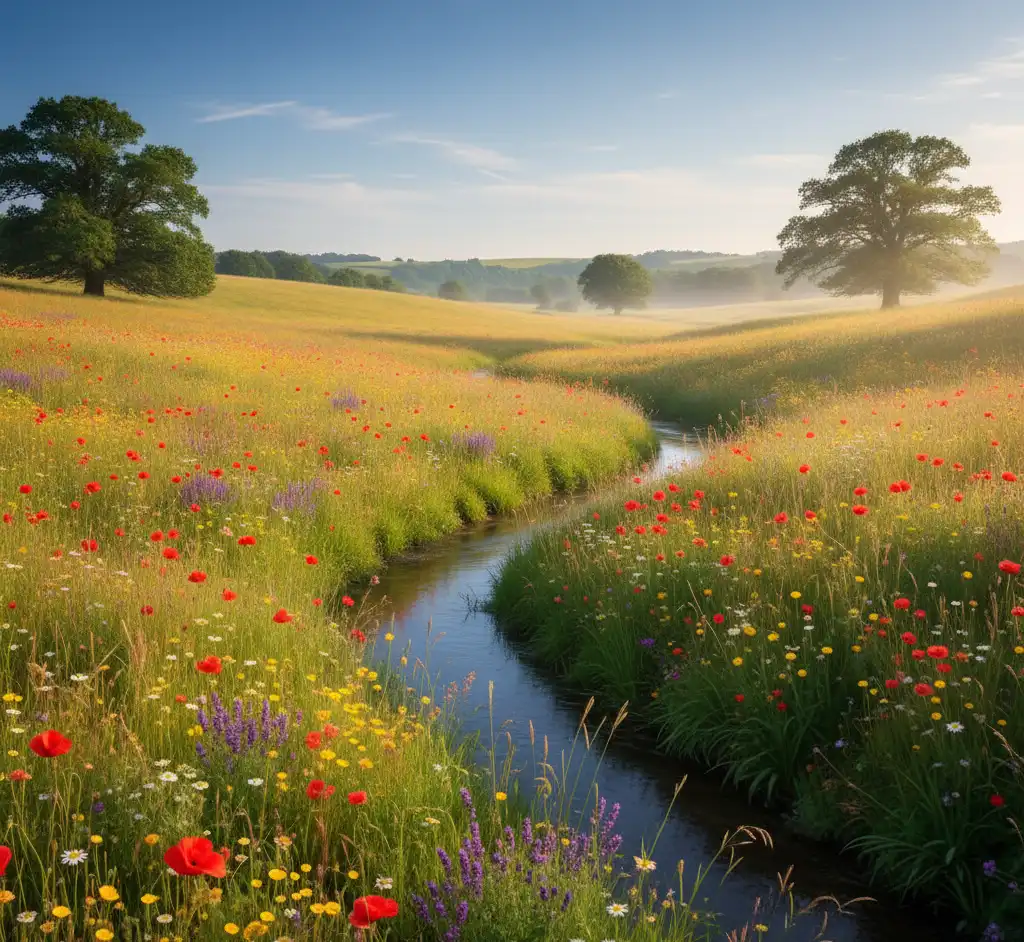
Summer Camping Guide — UK
Summer is when most people think about camping — long days, warm evenings, and (hopefully) dry weather. It's the most forgiving season for beginners and the most popular for everyone. But summer camping in the UK has its own challenges: midges in Scotland, crowds in popular areas, and occasional heat that makes tents feel like ovens.
The Good Stuff
- Long days — over 17 hours of daylight at midsummer in Scotland. You've got all evening to find your spot.
- Warm temperatures — the only time you can realistically camp without thermal layers (most nights).
- Dry(ish) weather — summer is generally the driest season, though the UK being the UK, rain is always possible.
- Everything's accessible — high mountain camps, coastal spots, remote islands. Nothing's off-limits due to snow or extreme cold.
The Challenges
Midges
If you're camping in Scotland (or parts of northern England and Wales) between June and September, midges are the single biggest challenge. These tiny biting flies swarm in clouds at dawn and dusk, particularly near still water and sheltered spots.
Midge survival strategies:
- Camp on exposed, windy spots — even a light breeze keeps them grounded
- Avoid camping near lochs, bogs, and dense vegetation
- Carry a midge head net — they weigh almost nothing
- Use repellent — Smidge is the most popular UK brand
- Get into your tent before dusk
- Cook and eat quickly, then zip up
The midge forecast (midgeforecast.co.uk) is a genuine planning tool. Check it before choosing your area.
Crowds
Summer is peak season everywhere. Popular wild camping areas — Glen Coe, the Lake District main fells, Snowdon area — get busy. The increase in wild camping's popularity means you're less likely to have your camp to yourself.
Beating the crowds:
- Go midweek — Friday to Sunday is the busiest period
- Choose less popular areas — the North Pennines, Northumberland, Carmarthen Fans
- Walk further in — most people camp within an hour's walk of the car park
- Avoid bank holiday weekends unless you want company
Heat
Yes, the UK does get hot sometimes. A tent in direct sun can reach 30-40°C inside, making sleep impossible. On the rare occasions summer delivers genuine heat:
- Choose a spot with natural shade for the morning (east-facing slopes get morning sun)
- Leave tent doors open for ventilation (with inner door zipped for bugs)
- Camp near water for cooling off
- Sleep on top of your sleeping bag with just a liner
If a heatwave is forecast, consider a tarp or bivvy setup instead of a tent. Airflow makes a huge difference to comfort in warm weather, and you'll appreciate the breeze.
Gear for Summer
Summer is the lightest and simplest gear season:
Sleeping
A one or two-season sleeping bag is fine for most lowland summer camping. For mountain camps, a light three-season bag is safer — nights above 600m can still be cold, even in August.
A sleeping mat with a lower R-value is acceptable — ground temperatures are warmer.
Clothing
- Light base layers
- A fleece for evenings (it still gets cool)
- Waterproof jacket — always, regardless of the forecast
- Sun hat and sunscreen for exposed ridges
- Shorts for walking (with trousers as backup)
Tent
Ventilation is more important than insulation in summer. A tent with good airflow — mesh inner doors, vents — will be much more comfortable than a fully sealed shelter.
Lighter tents and tarps work well in summer's gentler conditions.
Sun Protection
This often gets overlooked. At altitude and in open terrain, UV exposure is significant even on cloudy days. Pack:
- SPF 30+ sunscreen
- Lip balm with SPF
- Sunglasses
- Sun hat
Water
Summer means increased water consumption but potentially reduced water sources. Smaller streams may run dry after prolonged dry weather. Carry more water than you think you'll need, and know where your refill points are.
Water quality in warmer weather can be lower — bacteria thrive in warm, slow-moving water. Always filter or purify, especially from stagnant sources.
Best Areas for Summer
Scotland (with midge management)
The Highlands and islands in good summer weather are unbeatable. Just plan around the midges — coastal and exposed spots, avoid sheltered glens in the evening.
Northumberland
Warm enough for comfortable camping, quiet enough to avoid crowds. The dark skies are less impressive with summer's short nights, but the countryside is beautiful.
Coastal Camping
Summer is the time for beach and coastal camping — the UK's coastline is spectacular and bearable temperature-wise only in summer. Cornwall, Pembrokeshire, Northumberland coast, and the Scottish islands all shine.
High Mountain Camps
Summer is the safest time for high-altitude camping in the UK. Snow has melted (usually), weather is warmer, and long days give you plenty of time.
Don't be complacent because it's summer. UK mountains can still produce dangerous weather conditions at any time of year. Always check the forecast, carry waterproofs, and have navigation skills.
Summer Wild Camping Etiquette
Summer's popularity makes etiquette more important:
- No fires — fire risk is highest in summer, especially after dry spells. Moorland and grassland fires are devastating and fast-moving.
- Space out — if someone's already camping in a spot, give them privacy. Find your own pitch.
- Noise — warm evenings encourage socialising, but keep noise down after dark. Sound carries.
- Litter — pack everything out. Summer litter in popular areas is a genuine problem.
- Toilet stops — warm weather accelerates decomposition but also makes poorly managed waste more unpleasant. Use a trowel, dig deep, go far from water.
Recommended Gear for Summer Camping
Summer camping is about staying light, dealing with midges, and managing warmth.
Smidge Insect Repellent Spray
Amazon UK75ml
Saltidin 20%
Up to 8 hours
Yes
Pros
- +The UK's most trusted midge defence
- +DEET-free and skin-safe
- +Compact enough for any pack
Cons
- −Needs reapplication after swimming
If you're heading north of Birmingham between June and September, take Smidge. It's cheap insurance against miserable evenings.
View dealAffiliate link — we may earn a small commission at no extra cost to you
Vango Nevis 200 Tent
Amazon UK2.5kg
2
3
42 x 14cm
Pros
- +Mesh inner door provides ventilation in warm weather
- +Budget-friendly for summer beginners
- +Reliable and easy to pitch
Cons
- −Can get warm inside in direct sun
A solid all-round tent for summer camping. The mesh inner helps with ventilation on those rare genuinely warm UK nights.
View dealAffiliate link — we may earn a small commission at no extra cost to you
Summer is the easiest season to start camping. The long days forgive planning mistakes, the warm weather is comfortable, and the UK's landscape is at its most inviting. Just respect the places you visit and the people who live there.
Ready to gear up?
Use our kit builder to get a complete packout list tailored to your trip type, terrain, and budget — with prices and buy links.
Related reading
Spring Camping Guide for the UK — Tips, Gear and Best Spots
Everything you need to know about camping in spring across the UK — gear adjustments, weather expectations, and the best areas to visit March to May.
Autumn Camping Guide for the UK — Tips, Gear and Best Spots
Autumn camping in the UK — shorter days, stunning colours, and quieter trails. How to camp comfortably from September to November.
Wild Camping & Campsites in the UK — The Complete Guide
Everything you need to know about wild camping in the UK — where it's legal, where it's tolerated, and how to do it responsibly.
Best Rucksacks for Hiking and Wild Camping UK 2026
Best rucksacks and backpacks for hiking and camping in the UK 2026. Day packs to multi-day expedition rucksacks compared.