This page contains affiliate links. If you purchase through them we may earn a small commission at no extra cost to you. Learn more
Solo Camping Guide — Safety, Confidence & Enjoyment
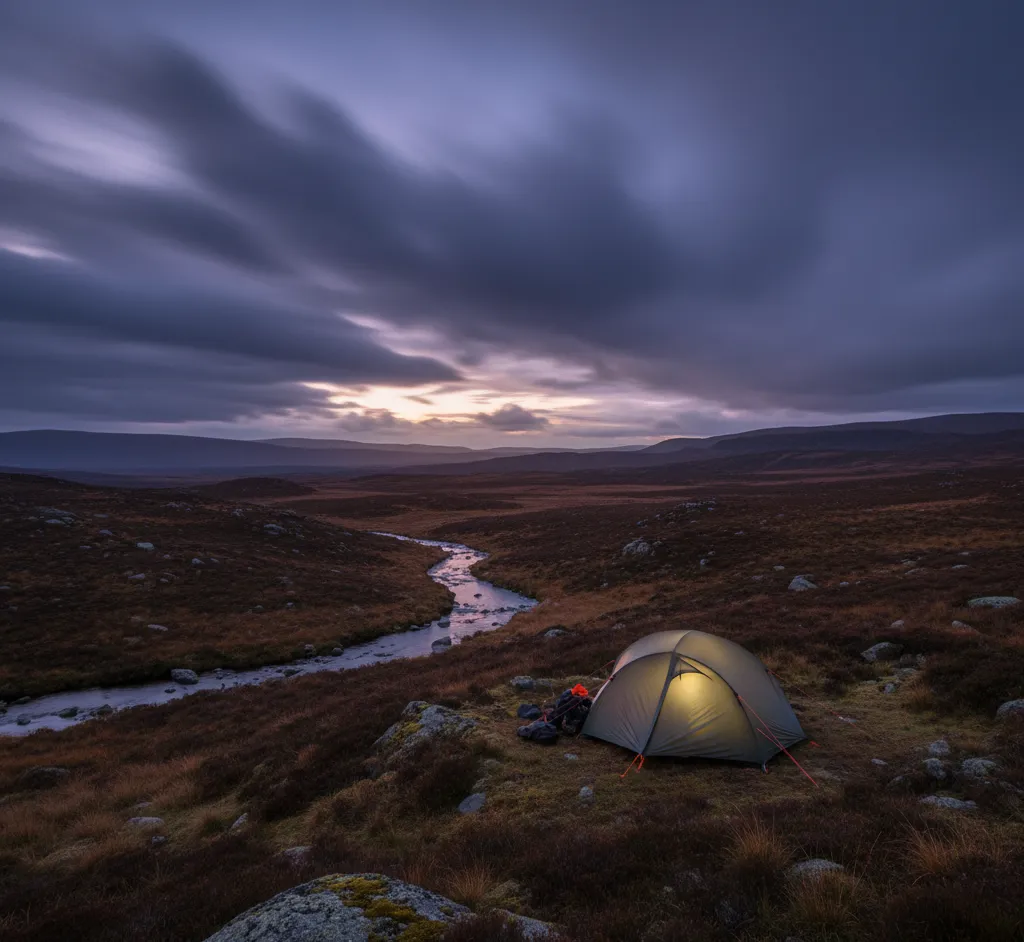
Solo Camping Guide — Safety, Confidence & Enjoyment
Solo camping divides opinion. Some people find the idea terrifying; others won't camp any other way. The truth is somewhere in between — it's not as dangerous as the worriers think, and it's not without its challenges.
Done with a bit of preparation, solo camping offers something you can't get any other way: complete freedom to go where you want, at your own pace, with nobody else's preferences to consider.
Why Camp Solo?
- Total freedom — you choose where, when, and how far. No compromises.
- Your own pace — walk as fast or slow as you want. Stop when you want to stop.
- Genuine solitude — in a world of constant connection, real solitude is rare and valuable.
- Self-reliance — solving every problem yourself builds genuine confidence.
- Observation — you notice more when you're alone. Wildlife comes closer. Sounds are sharper.
- Reflection — time alone in nature, without distractions, is good for your head.
Safety Essentials
Solo camping is safe, but you're your own safety net. These basics are non-negotiable:
Tell Someone
Before every solo trip, tell a reliable person:
- Where you're going (as specifically as possible)
- Your planned route
- When you expect to be back
- What to do if you don't check in (who to call, when to call them)
Update them if your plans change. Check in when you're safely back.
Navigation
When you're alone, getting lost is a bigger problem. You can't pool knowledge or split up to find the path.
- Carry a map and compass and know how to use them
- Phone GPS is useful but not a sole navigation tool — batteries die, screens crack, signal vanishes
- Study your route before you go
- In poor visibility, turn back rather than pressing on into unfamiliar terrain
First Aid
Carry a basic first aid kit and know how to use it. Key items for solo trips:
- Blister plasters (the most likely injury)
- Bandage and wound dressings
- Painkillers
- Emergency foil blanket
- Any personal medication
Consider a basic outdoor first aid course. When you're alone, you need to be able to manage injuries that a group could share the burden of.
Communication
- A fully charged phone is essential, but don't rely on signal in wild areas
- Consider a personal locator beacon (PLB) or satellite communicator for remote areas — these work without mobile signal
- Know the emergency number (999) and how to give a grid reference
A personal locator beacon costs around £200-300 and could save your life in a genuine emergency when there's no phone signal. For regular solo campers in remote areas, it's a worthwhile investment.
Emergency Shelter
Carry a lightweight emergency shelter (bivvy bag or survival bag) in addition to your tent. If something happens to your tent — wind damage, you can't reach it — you need a backup plan.
Building Confidence
If solo camping feels daunting, build up gradually:
Stage 1: Camp in Your Garden
Seriously. Spending a night in your tent in the garden gets you comfortable with sleeping alone outdoors. You'll discover how your gear works (or doesn't) without any risk.
Stage 2: A Campsite Solo
Book a pitch at a quiet campsite and spend a night. You've got other people around but you're doing everything yourself. It's a confidence builder.
Stage 3: Easy Wild Camp
Choose a well-known, accessible location with a short walk-in. Good weather forecast. Somewhere you can retreat to the car if you need to.
Stage 4: More Ambitious
Once you've got a few solo nights under your belt, extend the walk-in, try wilder locations, and camp in more challenging conditions.
The Mental Side
The biggest challenge of solo camping usually isn't physical — it's mental. Here's what to expect:
The First Evening
Once you're in your tent and the light fades, your brain can go into overdrive. Every sound becomes significant. That's normal. It gets easier with experience.
Most noises are:
- Wind in vegetation
- Sheep or cattle
- Small animals (mice, rabbits, hedgehogs)
- Water
- Your tent fabric moving in the breeze
It's almost never anything to worry about.
Loneliness vs Solitude
There's a difference. Solitude is chosen and enjoyable. Loneliness is unwanted and uncomfortable. If you find yourself feeling lonely rather than peaceful, that's okay — it doesn't mean solo camping isn't for you. It might mean:
- You need more experience
- The conditions aren't right (bad weather makes everything harder)
- You're tired or hungry (both amplify negative feelings)
- Solo camping genuinely isn't your thing (and that's fine)
Decision Fatigue
When you're alone, every decision is yours. Route choices, camp spot selection, when to stop, what to eat. This can be tiring. Simplify where you can — plan your route in advance, decide your food before the trip, and reduce the number of choices you need to make.
If you feel genuinely unsafe at any point, leave. There's no shame in walking back to the car, driving home, and trying again another time. Good judgement is the most important outdoor skill.
Practical Solo Tips
- Keep it simple. Solo trips work best when you're not overcomplicating things.
- Cook early. Get fed before dark so you're warm and comfortable for the evening.
- Organise your kit. Know where everything is. Fumbling for a head torch in the dark is more stressful alone.
- Bring entertainment. A book, podcast (downloaded), or journal. Long solo evenings need something to do.
- Talk to people during the day. A chat with another walker on the trail can lift your mood and break up the solitude.
- Start with good weather. Save the stormy nights for when you've built confidence.
- Trust your preparation. If you've got the right gear and a sensible plan, you're going to be fine.
Solo Camping for Women
Women who solo camp sometimes face additional concerns — both real and perceived. The outdoor community has become much better at supporting women who camp alone, but it's worth acknowledging:
- Personal safety: The same precautions apply as anywhere — tell people your plans, trust your instincts, camp discreetly. The risk from other people in remote wild camping areas is extremely low.
- Community: Online groups for women who wild camp are active and supportive. Connecting with others who share the experience is valuable.
- Gear: The outdoor industry has improved (slowly) at making gear that fits women properly. Sleeping bags, rucksacks, and clothing designed for women make a genuine difference to comfort.
The Solo Camping Reward
Solo camping strips away the social layer that usually sits between you and the landscape. You're not managing group dynamics, accommodating different fitness levels, or compromising on where to camp.
Recommended Solo Safety Kit
These three items address the biggest safety considerations for solo campers — visibility, signalling, and emergency communication.
Petzl Actik Core Head Torch
Amazon UK600
88g
Rechargeable Core + AAA compatible
115m
Pros
- +Rechargeable with AAA backup option
- +Red light mode preserves night vision
- +Bright enough for path-finding in the dark
Cons
- −Battery life shorter on max brightness
The best mid-range head torch for solo camping — the dual power system means you've always got a backup.
View dealAffiliate link — we may earn a small commission at no extra cost to you
ACR ResQLink 400 Personal Locator Beacon
Amazon UK130g
24+ hours when activated
406 MHz satellite
Built-in
Pros
- +Works anywhere with no subscription
- +GPS-enabled for precise location
- +Genuinely life-saving in emergencies
Cons
- −Expensive upfront cost
- −Only for genuine emergencies — not a communication device
If you solo camp in remote areas regularly, this is the best investment you can make. Works without phone signal.
View dealAffiliate link — we may earn a small commission at no extra cost to you
Fox 40 Sonik Blast Whistle
Amazon UK120 dB
14g
Yes
Yes
Pros
- +Incredibly loud — audible over wind and rain
- +Pealess design works when wet or frozen
- +Attaches to rucksack strap easily
Cons
- −You'll hopefully never need it
A tiny, cheap piece of kit that could save your life. Attach it to your pack and forget about it until you need it.
View dealAffiliate link — we may earn a small commission at no extra cost to you
What you get instead is raw experience — the place, the weather, the light, and your own thoughts. It's simple, it's powerful, and it gets better every time you do it.
Ready to gear up?
Use our kit builder to get a complete packout list tailored to your trip type, terrain, and budget — with prices and buy links.
Related reading
Beginner's Guide to Wild Camping in the UK — Getting Started
A complete step-by-step guide to wild camping for first-timers — what you need, how to find a spot, and how to have a brilliant first night outdoors.
Wild Camping & Campsites in the UK — The Complete Guide
Everything you need to know about wild camping in the UK — where it's legal, where it's tolerated, and how to do it responsibly.
Winter Camping Guide for the UK — Cold Weather Tips and Gear
Winter camping in the UK — is it for you? What gear you need, safety considerations, and how to camp comfortably in cold, dark conditions.
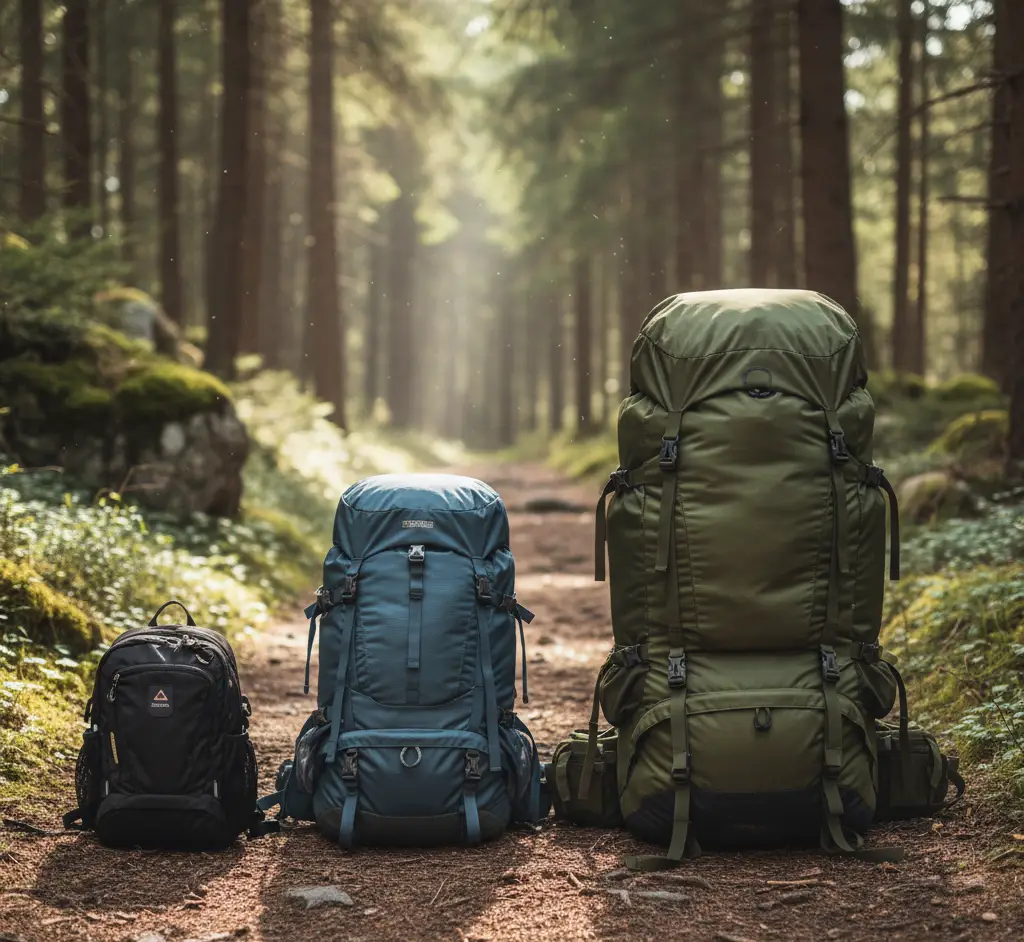
Best Rucksacks for Hiking and Wild Camping UK 2026
Best rucksacks and backpacks for hiking and camping in the UK 2026. Day packs to multi-day expedition rucksacks compared.