This page contains affiliate links. If you purchase through them we may earn a small commission at no extra cost to you. Learn more
Leave No Trace Camping Guide — Responsible UK Wild Camping
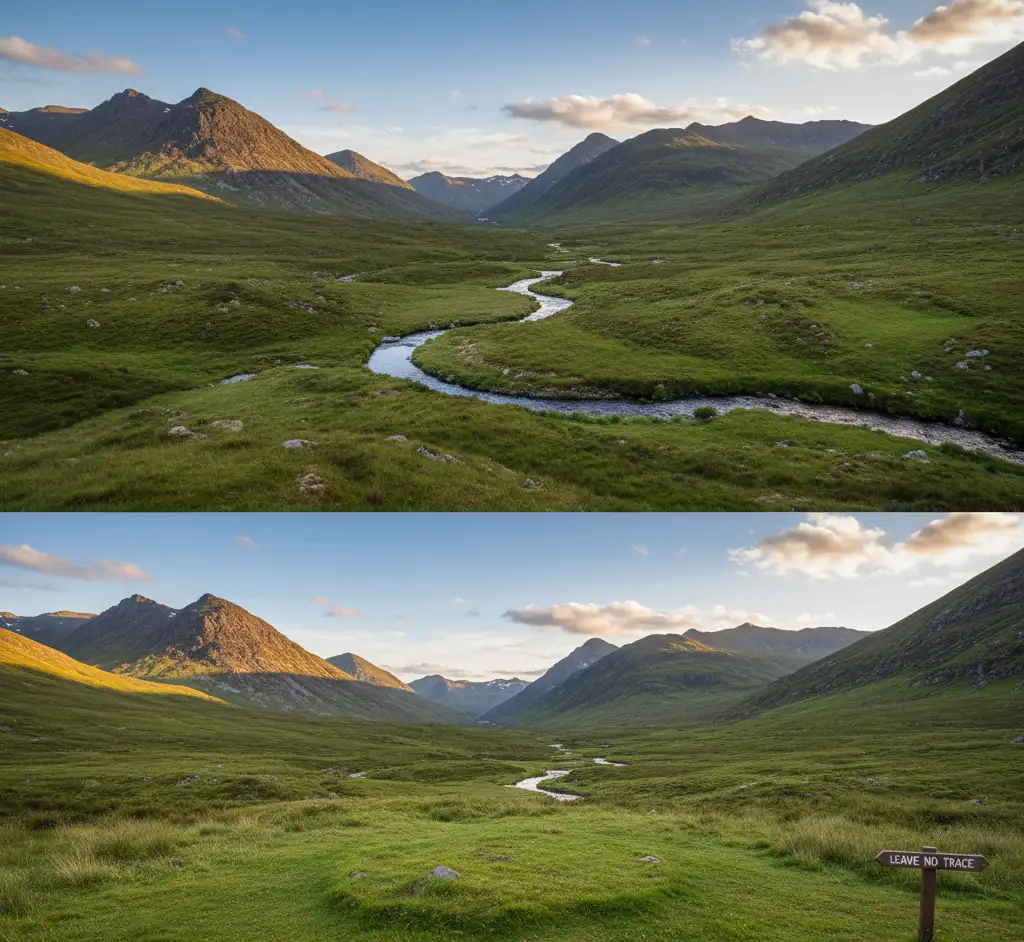
Leave No Trace Camping Guide
Leave no trace isn't just a nice idea — it's the single most important principle in wild camping. Everything else — where you go, what gear you use, how far you walk — is secondary to this. If every wild camper left no trace, most of the problems that threaten wild camping access would disappear.
Why It Matters
Wild camping in England and Wales exists on tolerance. Landowners and national park authorities allow it because most campers are responsible. Every fire scar, abandoned tent, and pile of rubbish erodes that tolerance.
Even in Scotland, where wild camping is a legal right, irresponsible camping has led to restrictions in popular areas and damaged relationships with local communities.
The equation is simple: leave no trace = continued access. Leave a mess = restrictions and bans.
The Seven Principles
1. Plan Ahead and Prepare
Good planning reduces your impact:
- Know the rules for your area
- Check weather so you don't need emergency fires
- Repackage food to reduce waste (remove excess packaging at home)
- Carry everything you need so you're not improvising in the field
- Have a plan for human waste
2. Camp on Durable Surfaces
Choose surfaces that can handle the pressure of a tent and footfall:
- Good: Rock, gravel, dry grass, established pitches
- Bad: Fragile vegetation, boggy ground, moss, lichens
Avoid creating new paths between your tent and water. Walk on existing routes where possible.
If the ground shows signs of previous camping (worn grass, fire rings), consider using the same spot rather than damaging a new area — concentrated impact in one spot is sometimes better than spread damage.
3. Pack It In, Pack It Out
Everything you bring should leave with you. Everything.
- All rubbish — wrappers, tins, bottles, tin foil
- Food waste — fruit peel, tea bags, food scraps. "Biodegradable" waste takes months or years to decompose in the mountains
- Micro-rubbish — cigarette butts, tiny wrapper fragments, tape, plasters
- Other people's rubbish — if you see litter, pick it up. Leave the spot better than you found it.
Carry a dedicated rubbish bag and check the ground around your camp before leaving.
Orange peel takes up to two years to decompose. Banana skins take even longer at altitude. "Biodegradable" means nothing useful in mountain timescales. Pack out all food waste.
4. Dispose of Waste Properly
Human Waste
This is the topic nobody wants to discuss but everyone needs to understand:
- Dig a cathole 15-20cm deep and at least 30 metres from water, trails, and camp
- Cover and disguise the cathole when done
- Pack out toilet paper in a sealed bag, or use natural alternatives (smooth stones, leaves — know what stinging nettles look like)
- In popular or sensitive areas, consider a WAG (Waste Alleviation and Gelling) bag system — pack everything out entirely
Washing
- Carry water at least 50 metres from any water source before washing yourself, dishes, or clothes
- Use biodegradable soap sparingly, or none at all
- Scatter waste water widely rather than pouring it in one spot
- Never wash directly in streams, lakes, or tarns
5. Leave What You Find
- Don't pick wildflowers or take "souvenirs"
- Don't move rocks to build windbreaks or tent platforms
- Don't cut branches or strip bark
- Leave cairns, archaeological features, and structures alone
- If you move something to pitch your tent (a stick, a small stone), put it back
6. Minimise Campfire Impact
The simplest rule: don't have a fire.
Fires cause more lasting damage than any other camping activity. Even "small" fires:
- Kill vegetation and soil organisms
- Leave visible scars that last for years
- Risk wildfire, especially on peat
- Damage the ground permanently in some environments
If conditions specifically allow a fire (you're on a beach, or in a designated area with fire-safe ground):
- Use existing fire rings
- Keep fires small
- Burn only small-diameter dead wood found on the ground
- Burn completely to ash, then scatter the cold ash
- Never leave a fire unattended
In practice, for wild camping in the UK: use a stove. Every time.
Peat fires can burn underground for weeks and are extremely difficult to extinguish. Never light fires on peat or heather moorland. The damage is devastating and long-lasting.
7. Respect Wildlife and Other People
- Wildlife: Observe from a distance. Don't feed animals. Avoid nesting areas during breeding season. Keep dogs under control.
- Other campers: Give them space. Keep noise down. Don't camp right next to someone else's pitch.
- Local communities: Be respectful of the people who live and work in the areas you camp in. Support local businesses. Be a good ambassador for wild camping.
The Ultimate Test
Before you leave your camping spot, do this:
- Stand where your tent was
- Look at the ground
- Walk the entire area — a 10-metre radius around your pitch
- Pick up anything that isn't natural
- Ask yourself: "Could anyone tell I was here?"
If the answer is no, you've done it right. If you can see flattened grass (it recovers), that's acceptable. If you can see anything else — rubbish, fire marks, disturbed ground — fix it.
Teaching Leave No Trace
If you're camping with newcomers, teach by example. Don't preach — show. Pick up other people's rubbish. Explain why you're digging a cathole. Demonstrate packing out food waste.
The wild camping community grows through shared values. Every person you teach to leave no trace multiplies the impact.
The Bigger Picture
Leave no trace isn't just about individual camps — it's about the future of outdoor access in the UK. Every responsible wild camp is evidence that people can be trusted with the landscape. Every irresponsible camp is ammunition for those who want to restrict access.
Recommended Leave No Trace Kit
These items help you camp without leaving any impact on the environment.
Coghlans Backpacker's Trowel
Amazon UK65g
Reinforced ABS plastic
19cm
8cm
Pros
- +Light enough to always carry
- +Strong enough to dig catholes in most UK soils
- +Cheaper than a takeaway coffee
Cons
- −Struggles in very rocky or frozen ground
If you're wild camping, you need a trowel. This one costs almost nothing, weighs nothing, and does the job. No excuses.
View dealAffiliate link — we may earn a small commission at no extra cost to you
Exped Fold Drybag 4L (for rubbish)
Amazon UK4 litres
20g
PU-coated nylon
Roll-top
Pros
- +Seals smells inside — no attracting wildlife
- +Waterproof roll-top keeps rubbish contained
- +Doubles as a general dry bag when clean
Cons
- −Needs washing out between trips
Upgrade from a bin bag to a proper rubbish dry bag. Seals smells, contains mess, and makes packing out waste easier.
View dealAffiliate link — we may earn a small commission at no extra cost to you
The wild places of the UK are precious and finite. They belong to everyone, and it's everyone's responsibility to keep them wild. Leave no trace isn't a rule — it's a philosophy. And it works.
Ready to gear up?
Use our kit builder to get a complete packout list tailored to your trip type, terrain, and budget — with prices and buy links.
Related reading
Wild Camping & Campsites in the UK — The Complete Guide
Everything you need to know about wild camping in the UK — where it's legal, where it's tolerated, and how to do it responsibly.
Beginner's Guide to Wild Camping in the UK — Getting Started
A complete step-by-step guide to wild camping for first-timers — what you need, how to find a spot, and how to have a brilliant first night outdoors.
Free Camping in the UK — Every Legal Option and Wild Spot
All the ways to camp for free legally in the UK — from Scotland's right to roam to bothies, Forestry land, and designated wild camping areas.
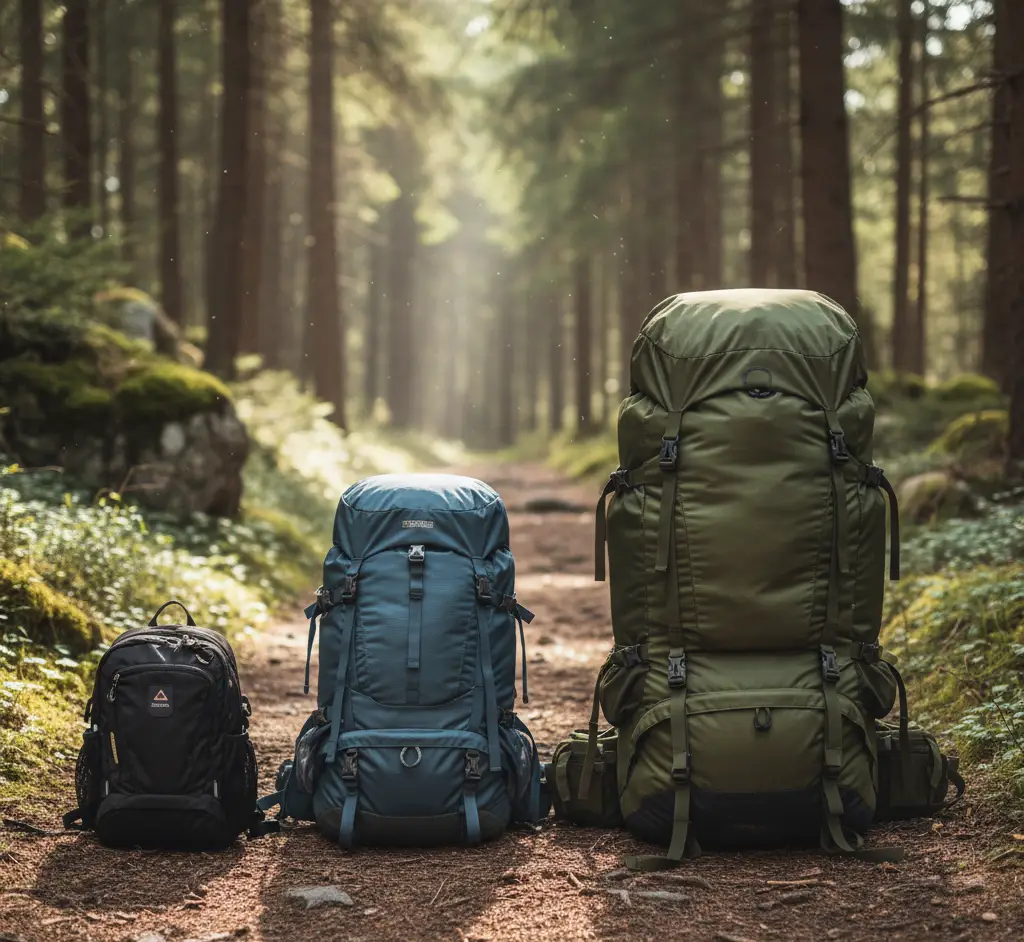
Best Rucksacks for Hiking and Wild Camping UK 2026
Best rucksacks and backpacks for hiking and camping in the UK 2026. Day packs to multi-day expedition rucksacks compared.