This page contains affiliate links. If you purchase through them we may earn a small commission at no extra cost to you. Learn more
Best Wild Camping in the Peak District — Spots and Advice
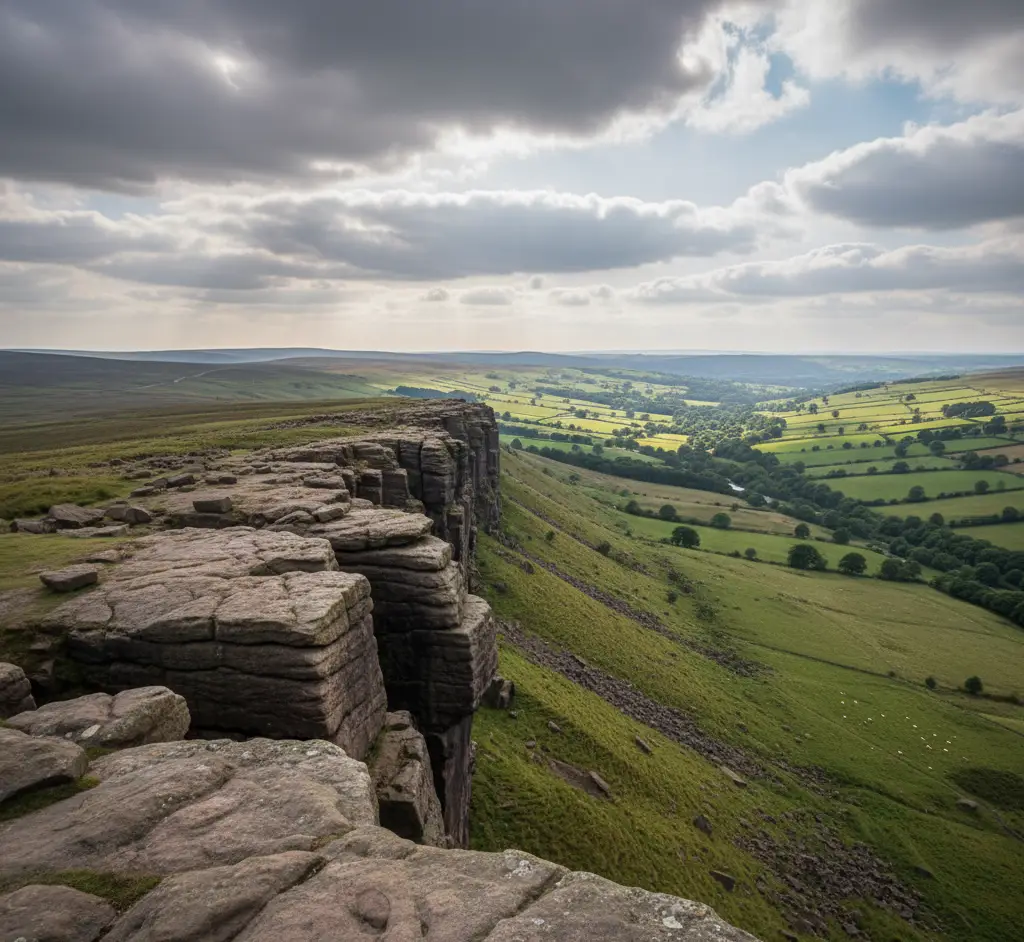
Best Wild Camping in the Peak District
The Peak District sits at the heart of England, surrounded by cities — Manchester, Sheffield, Derby, Nottingham. It's the most visited national park in the country, and that creates both opportunity and challenge for wild campers.
The Legal Position
Wild camping in the Peak District is not legally permitted. Unlike Dartmoor — where the Supreme Court confirmed a statutory right to backpack camp on the commons in May 2025 — there is no equivalent right in the Peak District. And unlike the Lake District, there isn't a strong tradition of tolerance in most areas here either.
That said, discreet, responsible camping on remote moorland in the Dark Peak does happen and is rarely challenged — provided you do it right. The key word is discreet.
The Peak District National Park Authority doesn't actively encourage wild camping, but their rangers generally take a pragmatic view of someone camping responsibly on remote high ground.
Dark Peak vs White Peak
The Peak District divides into two very different landscapes:
The Dark Peak
The northern and eastern sections — gritstone edges, peat moorland, and deep valleys. This is where wild camping is most viable. The moorland above Kinder Scout, Bleaklow, and Black Hill is remote, rarely visited after dark, and offers genuine wild camping.
The terrain is rough — peat hags, boggy ground, and often featureless. Navigation skills are essential, especially in the cloud that frequently sits on these moors.
The White Peak
The central and southern sections — limestone dales, green fields, and villages. This is not wild camping territory. The land is enclosed, populated, and too well-visited. Don't try it.
Best Areas
Kinder Scout
Kinder Scout is the Peak District's highest point and its most iconic moorland. The plateau is wild and boggy, with dramatic gritstone edges dropping away on all sides.
The plateau itself is tough camping — very exposed, boggy, and featureless. The edges and just below them offer better options, with more shelter and better ground.
Best for: Those who want to camp on historic access land (Kinder was the site of the famous 1932 mass trespass).
Bleaklow
Bleaklow is Kinder's northern neighbour — equally high, equally boggy, but even less visited. The name tells you everything about the atmosphere. On a clear evening it's magnificent; in cloud, it's desolate.
The plateau is vast and can be disorienting. Don't camp here unless you're confident navigating featureless moorland.
Best for: Experienced campers wanting genuine solitude close to Manchester and Sheffield.
The Eastern Edges
The gritstone edges running along the eastern side of the Dark Peak — Stanage, Derwent Edge, Bamford Edge — are more popular walking areas but have quieter sections.
Camping on or immediately below the edges isn't recommended as they're too well-visited. Head further onto the moor behind them for more privacy.
Best for: Combining a wild camp with edge walking.
The Peak District's proximity to major cities means it gets very busy during daylight hours. The crowds thin dramatically after 5pm — arrive late and you'll often have the moor to yourself.
Upper Derwent Valley
The reservoirs of the upper Derwent Valley are surrounded by moorland and forestry. The moors above the reservoirs offer remote camping, though the valleys themselves are too busy.
Best for: Accessible moorland camping with relatively easy walk-ins.
Practical Considerations
Weather
The Dark Peak moors are exposed and catch weather from all directions. Temperatures on the plateau can be significantly lower than in the surrounding valleys. Wind, rain, and low cloud are common.
Summer evenings can be glorious, but always carry waterproofs and warm layers regardless of the forecast.
Terrain
Peat bog is the dominant feature of the Dark Peak. Finding dry ground for a tent is a genuine challenge. Look for slightly raised ground, grass rather than heather, and avoid anything that looks flat and green — it's probably a bog.
Peak District peat bogs can be deep and disorienting. In poor visibility, navigation on the plateau is genuinely difficult. Don't underestimate these moors — they've caught out experienced walkers.
Water
Streams run off the moorland but the water is often peat-stained and may need filtering. Reservoir water is not for drinking. Carry enough water for your camp and use purification for any stream water.
Access
The Peak District is brilliantly accessible — trains run to Edale, Hope, and Bamford directly from Manchester and Sheffield. Several car parks serve the main walking areas, though they fill up on weekends.
Camping Responsibly
The Peak District's popularity means any negative impact is quickly noticed. Wild camping here needs to be exemplary:
- Camp only on open moorland, never on enclosed farmland
- Arrive after 7pm, leave before 8am
- No fires under any circumstances — peat fires can burn underground for weeks
- Pack out all waste
- Keep well away from paths, roads, and buildings
- If you see other campers making a mess, consider having a quiet word
Recommended Gear for the Peak District
The Dark Peak's peat bogs and exposed moorland demand proper waterproofing and navigation tools.
Berghaus Hillmaster II GTX Walking Boots
Amazon UKGore-Tex
High cut
Vibram
680g per boot
Pros
- +Waterproof for Peak District peat bogs
- +High ankle support on rough moorland
- +Vibram sole handles wet gritstone
Cons
- −Heavier than trail shoes
Peak District bog demands proper waterproof boots. These keep your feet dry and your ankles supported on rough ground.
View dealAffiliate link — we may earn a small commission at no extra cost to you
Silva Expedition 4 Compass
Amazon UKBaseplate
1:25,000 and 1:50,000
Yes
Built-in
Pros
- +Essential for featureless Peak District plateau navigation
- +Luminous markings for low-light use
- +Dual scale suits UK OS maps
Cons
- −Requires knowledge to use effectively
When the cloud sits on Kinder Scout, your phone GPS might not save you. A proper compass and the skills to use it will.
View dealAffiliate link — we may earn a small commission at no extra cost to you
The Peak District is under more pressure than almost any other national park. Being a responsible wild camper here means holding yourself to the highest standards.
Ready to gear up?
Use our kit builder to get a complete packout list tailored to your trip type, terrain, and budget — with prices and buy links.
Related reading
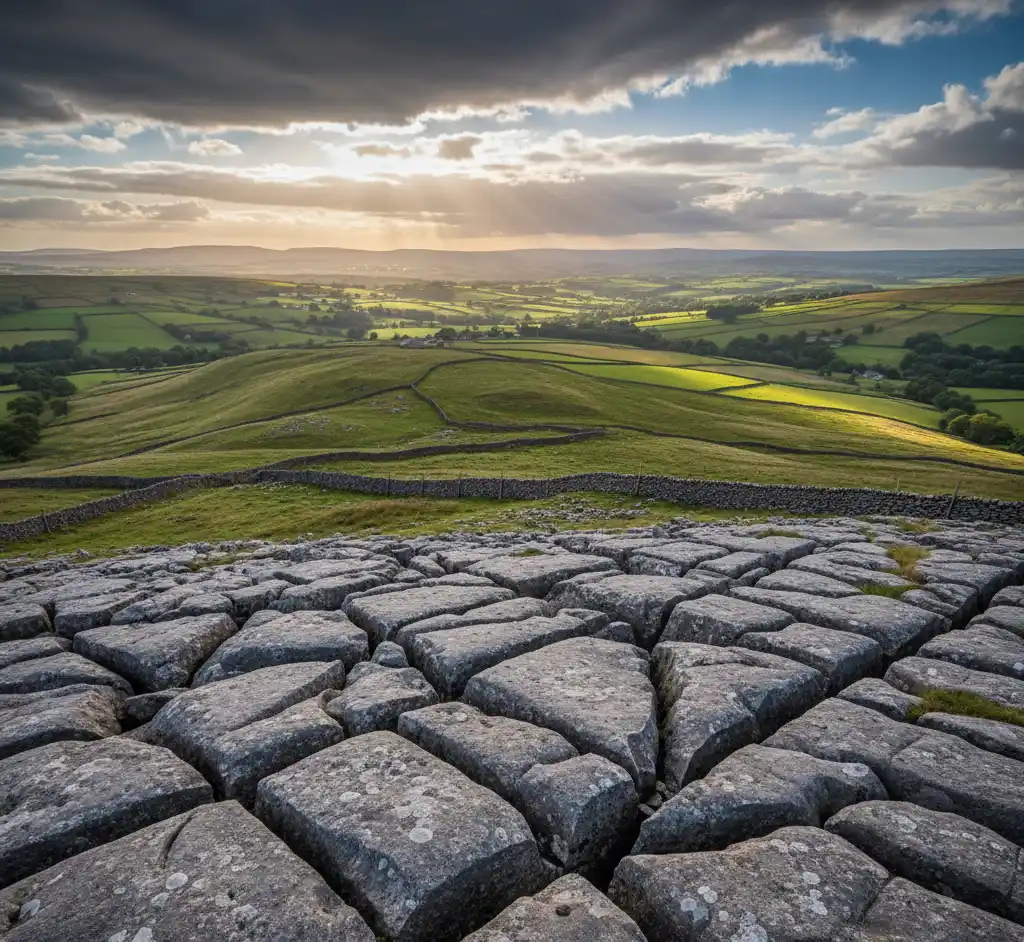
Best Wild Camping in the Yorkshire Dales — Spots and Routes
Wild camping in the Yorkshire Dales — open moorland, limestone landscapes, and quiet valleys where responsible camping is tolerated.
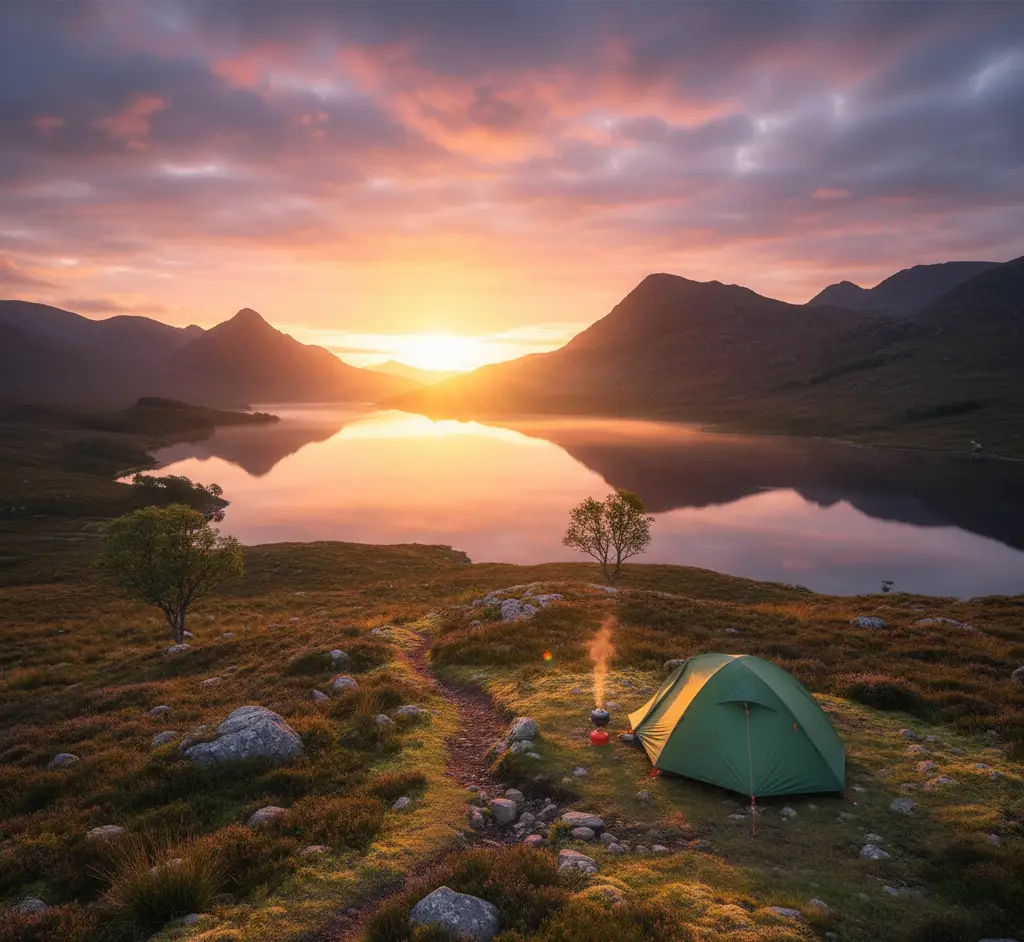
Wild Camping & Campsites in the UK — The Complete Guide
Everything you need to know about wild camping in the UK — where it's legal, where it's tolerated, and how to do it responsibly.
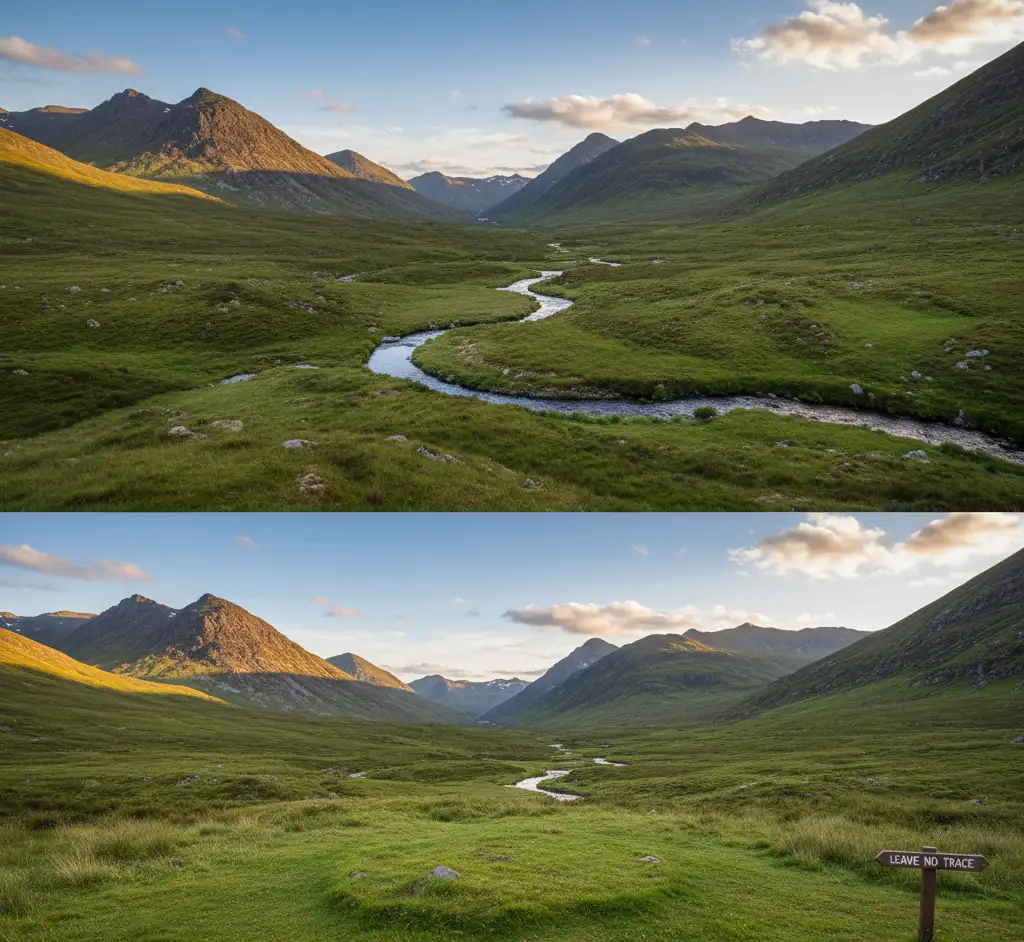
Leave No Trace Camping Guide — Responsible UK Wild Camping
The complete guide to leave no trace camping in the UK. How to camp responsibly and ensure wild places stay wild for everyone who follows.
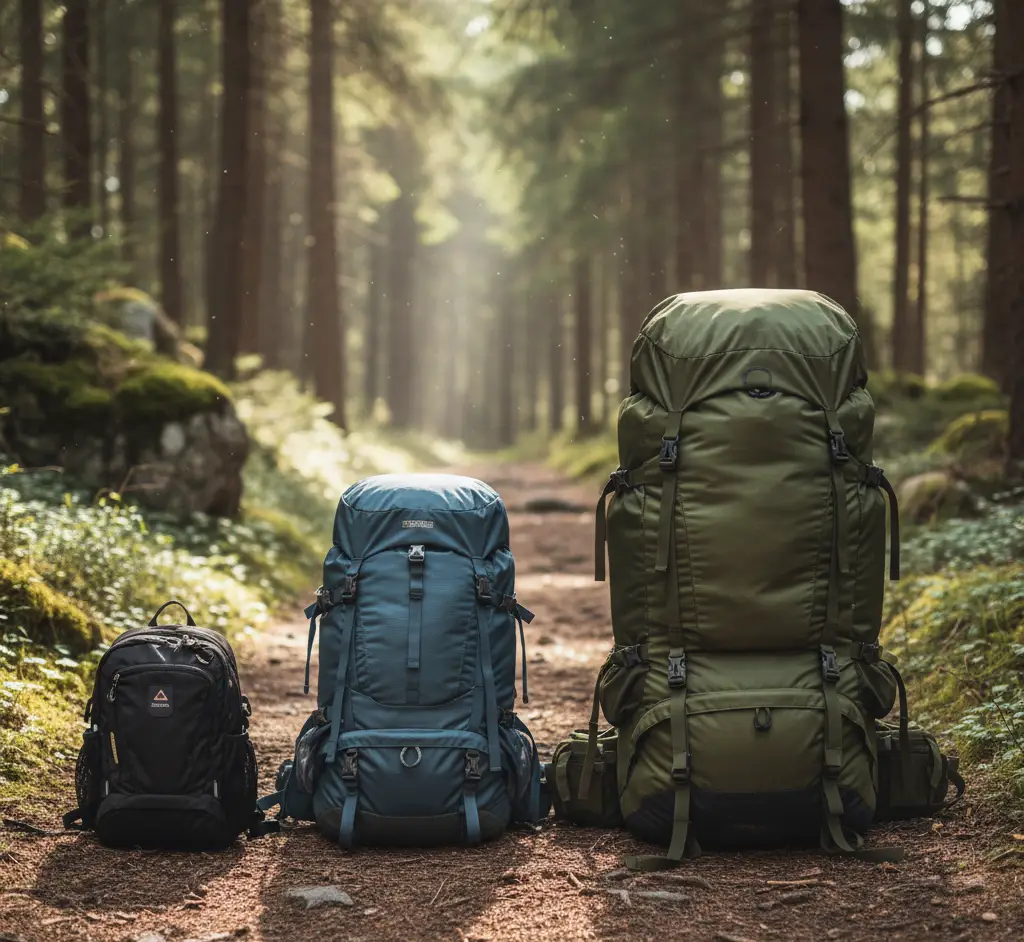
Best Rucksacks for Hiking and Wild Camping UK 2026
Best rucksacks and backpacks for hiking and camping in the UK 2026. Day packs to multi-day expedition rucksacks compared.