This page contains affiliate links. If you purchase through them we may earn a small commission at no extra cost to you. Learn more
UK Flood Preparation: How to Protect Your Home in 2025
Quick Summary
- Check your flood risk on the Environment Agency website — 5.2 million English properties are at risk
- Sign up for free flood warnings and prepare a flood kit before you need one
- After flooding, don't re-enter until it's safe and document everything for insurance
Flooding in the UK Is Getting Worse
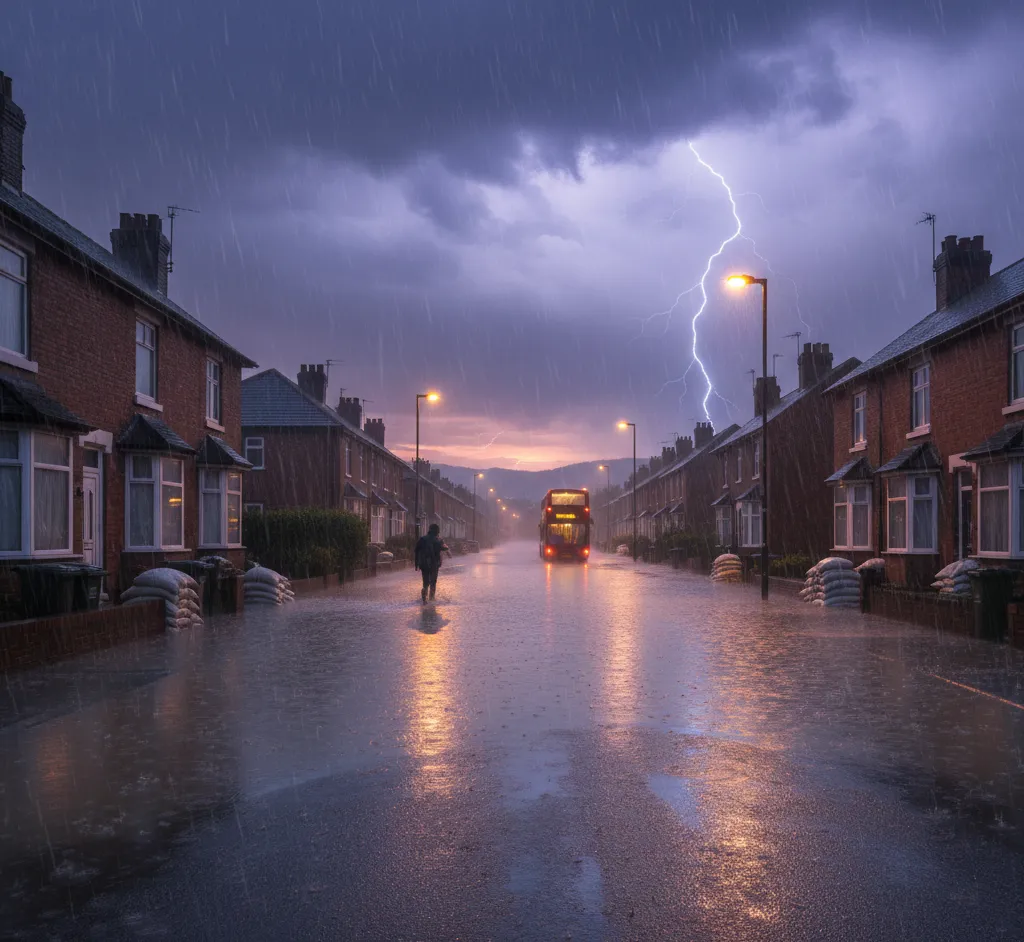
Let's not sugar-coat it — flooding is the most common natural disaster in the UK, and it's getting more frequent. Climate change is making rainfall heavier and more unpredictable. Coastal areas face rising sea levels. And urban development means more hard surfaces funnelling water where it shouldn't go.
If you think "it won't happen here," check your postcode on the Environment Agency flood map. You might be surprised.
Before a Flood: Preparation
Check Your Risk
- Use the Environment Agency's long-term flood risk service to check your property
- Sign up for free flood warnings at gov.uk/sign-up-for-flood-warnings
- Check with your local council about flood defences in your area
- Walk your property and identify the lowest entry points — doors, airbricks, utility access points. These are where water gets in first
Get Your Insurance Sorted
- Check your home insurance covers flooding — not all policies do
- If you're in a high-risk area, look into Flood Re, the government-backed scheme that makes flood insurance affordable
- Document your valuables with photos and keep records somewhere safe (cloud storage is ideal)
- Keep receipts for expensive items — your insurer will ask for them
Read our home emergency insurance guide for more on this.
Physical Flood Defences
Sandbags:
- Your local council may provide sandbags during flood warnings, but don't rely on this — supplies run out fast
- You can buy your own — pre-filled or fill-your-own
- Stack them like bricks, staggering the joints
- They're not waterproof — they slow water, not stop it entirely
- Hessian sandbags biodegrade over time. For long-term storage, use polypropylene bags
Flood barriers and boards:
- Door barriers are more effective than sandbags for most homes
- Available as temporary or permanent installations
- Non-return valves on drains prevent sewage backup
- Airbrick covers stop water entering through ventilation
Property-level resilience:
- Move electrics higher on walls (a job for a qualified electrician)
- Fit tiled floors instead of carpet in ground-floor rooms
- Use water-resistant plaster below the likely flood level
- Install a sump pump if you have a basement or cellar
The 6-inch rule
Flood Defence Products Worth Having
If you're in a flood-risk area, these products earn their cost many times over the first time water comes.
QuickDam Flood Barrier (5ft)
Amazon UK5ft / 1.5m
Up to 1 gallon/ft
No
Water-activated
Pros
- +Deploys in seconds — just lay it down
- +No sand or filling needed
- +Lightweight to store
Cons
- −Single-use only
- −Not effective in deep floods
Brilliant for quick deployment when you get a flood warning. Keep a few in the shed for doorways and garage entrances.
View dealAffiliate link — we may earn a small commission at no extra cost to you
Zanvic Waterproof Storage Box 60L
Amazon UK60 litres
Heavy-duty plastic
Clip-lock lid
Yes
Pros
- +Keeps documents and valuables dry
- +Stackable for storage
- +Clip-lock lid seals well
Cons
- −Not 100% submersible
- −Bulky to store if space is tight
Keep your insurance documents, photos, and irreplaceable items in one of these on a high shelf. When flood warnings come, you grab it and go.
View dealAffiliate link — we may earn a small commission at no extra cost to you
Your Flood Emergency Kit
Keep this somewhere upstairs or at height:
- Torch and spare batteries
- Battery or wind-up radio
- Waterproof bag for documents and phones
- First aid kit
- Prescription medications
- Bottled water and non-perishable food
- Warm clothing and waterproof layers
- Phone charger / power bank
- Copies of insurance documents
OverBoard Pro-Light Waterproof Duffel (20L)
Amazon UK20 litres
IP66
PVC-free nylon
300g
Pros
- +Genuinely waterproof — not just water-resistant
- +Roll-top seal keeps contents bone dry
- +Light enough to grab and go
Cons
- −Not huge — 20L fills quickly
- −No internal pockets
Pack your flood grab bag in this. Documents, medications, phone, charger — everything stays dry even in standing water.
View dealAffiliate link — we may earn a small commission at no extra cost to you
During a Flood Warning
When you get a flood warning (or the rain just won't stop and water is rising):
Amber Warning — Flooding Is Expected
- Move valuables, documents, and sentimental items upstairs
- Move vehicles to higher ground if safe to do so
- Deploy flood barriers, sandbag doorways, and cover airbricks
- Turn off gas and electricity at the mains if water is entering the property
- Unplug electrical items and move them upstairs
- Block toilets, sinks, and bath drains to prevent sewage backup
- Fill bathtubs and containers with clean water before supply is affected
- Charge all phones and power banks
Red Warning — Severe Flooding, Danger to Life
- Follow instructions from emergency services
- If told to evacuate, do so immediately — take your grab bag
- If you can't evacuate, move to the highest floor
- Call 999 if you're in immediate danger
- Don't try to walk or swim through deep floodwater
Never enter a flooded basement or cellar
During a Flood
If you're stuck at home during a flood:
- Stay upstairs and away from floodwater
- Keep your phone charged — conserve battery
- Listen to local radio for updates (BBC local stations carry emergency broadcasts)
- Don't try to save possessions if it means entering floodwater
- If water is rising dangerously, call 999
- Signal for help from an upstairs window if needed
- Don't use gas or electrical appliances that have been in contact with water
After a Flood
The water going down is when the hard work starts.
Safety First
- Don't return home until authorities say it's safe
- Don't turn on gas or electricity until checked by a professional
- Wear rubber boots and gloves — floodwater is contaminated
- Open windows and doors to ventilate
- Don't let children play in flood-affected areas
Documentation for Insurance
- Photograph everything before you start cleaning
- Keep damaged items as evidence if your insurer needs to see them
- Keep receipts for all emergency spending (accommodation, food, cleaning)
- Contact your insurer as soon as possible — most have 24-hour flood claims lines
- Make a written list of every damaged item with approximate values
Cleaning Up
- Pump or bail out water once levels outside have dropped
- Use clean water and disinfectant on all affected surfaces
- Remove sodden plaster, insulation, and flooring — it won't dry out properly
- Hire industrial dehumidifiers and fans (your insurer may cover this)
- Get a structural survey if there's any sign of damage to walls or foundations
- Don't rush to redecorate — walls can take 6-12 months to dry fully. Rushing this leads to mould
Emotional Impact
Flooding takes a real toll on mental health. This isn't soft — it's a genuine consequence that people underestimate. If you or anyone in your household is struggling:
- Contact your GP
- Call the Samaritans on 116 123 (free, 24/7)
- The National Flood Forum (01011 671 831) offers peer support from people who've been through it
Key Contacts
| Service | Number |
|---|---|
| Environment Agency Floodline | 0345 988 1188 |
| Emergency services | 999 |
| National Flood Forum | 01011 671 831 |
| Flood Re (insurance) | floodre.co.uk |
| Your local council | Check council website |
Long-Term Steps
If you've flooded once, the chances of it happening again are high. Consider:
- Applying for the Flood Resilience Grant (available in some areas — check with your local council)
- Installing permanent property-level flood resilience measures
- Joining or starting a local flood action group
- Reviewing your insurance annually
- Keeping your flood kit topped up and your plan current
- Speaking to neighbours about communal flood defences — coordinated action is more effective than individual efforts
Flooding is horrible, but preparation genuinely reduces the damage and the stress. Get your plan in place before you need it.
Ready to gear up?
Use our kit builder to get a complete packout list tailored to your trip type, terrain, and budget — with prices and buy links.
Related reading
Emergency Preparedness for UK Homes: Your Complete Guide
A practical guide to emergency preparedness for UK homes covering floods, storms, power cuts, and everything in between.

Storm Preparation for UK Homes: Before the Weather Hits
How to prepare your UK home for severe storms — securing your property, understanding Met Office warnings, and staying safe during high winds.
Home Emergency Insurance in the UK: Is It Worth It?
A breakdown of home emergency insurance cover in the UK — what's included, what's not, and whether it's worth paying for.
Emergency Water Supply for UK Homes: How to Prepare
How to store emergency water, purify water in an emergency, and deal with mains water supply disruptions in UK homes. Practical advice.