This page contains affiliate links. If you purchase through them we may earn a small commission at no extra cost to you. Learn more
Storm Preparation for UK Homes: Before the Weather Hits

Quick Summary
- Named storms are becoming more frequent — the Met Office issues yellow, amber, and red warnings
- Secure garden furniture, check your roof, and trim overhanging branches before storm season
- Stay indoors during red warnings and keep away from windows, trees, and coastal areas
Storms in the UK Are Getting More Serious
Named storms used to feel like a novelty. Now they're a regular feature of British autumn and winter. The Met Office has been naming storms since 2015, and we're seeing more intense ones each year — higher wind speeds, heavier rainfall, and more widespread damage.
Storm Éowyn in 2025 brought gusts over 100mph to parts of Scotland and Northern Ireland. Trees came down, roofs were damaged, and hundreds of thousands lost power for days.
You can't stop a storm, but you can make sure your home and family are ready for one.
Before Storm Season (September–October)
Do this once a year before the weather turns. It takes a Saturday afternoon.
Check Your Roof
- Look for loose, cracked, or missing tiles/slates from the ground (binoculars help)
- Check flashings around chimneys, vents, and skylights
- Clear gutters and downpipes — blocked gutters cause water damage in heavy rain
- If you spot problems, get a roofer in before storm season. They're impossible to book once a storm hits
Secure Your Garden
- Anchor sheds and fences properly — these are the first things to go in high winds
- Store or secure trampolines, garden furniture, and anything that could become a projectile
- Trim trees and hedges, especially branches overhanging your property or your neighbour's
- Check fence panels are secure in their posts
Check Your Boundaries
- Inspect fencing and walls for weakness
- Know which boundaries are your responsibility (check your title deeds)
- Loose fence panels in 60mph winds become dangerous projectiles
The trampoline problem
Storm Prep Products
A few inexpensive items can save you hundreds in storm damage repairs.
Faithfull Heavy-Duty Tarpaulin (3m x 4m)
Amazon UK3m x 4m
260gsm
Polyethylene
Every 1m
Pros
- +Covers damaged roof sections fast
- +Thick enough for wind and rain
- +Eyelets for secure fixing
Cons
- −Heavy for roof work
- −Needs secure fixing in wind
Keep one in the garage. If a storm takes tiles off your roof, this buys you time until the roofer arrives — and stops water damage from getting worse.
View dealAffiliate link — we may earn a small commission at no extra cost to you
Duck Original Gaffer Tape (50mm x 50m)
Amazon UK50mm
50m
Silver
Heavy-duty
Pros
- +Fixes almost anything temporarily
- +Sticks to wet surfaces
- +Strong enough for emergency repairs
Cons
- −Leaves residue on some surfaces
- −Not a permanent fix
The most versatile emergency repair tool in existence. Seal gaps, secure tarpaulins, patch cracked windows temporarily.
View dealAffiliate link — we may earn a small commission at no extra cost to you
When a Storm Warning Is Issued
Understanding Met Office Warnings
| Level | Meaning | What to Do |
|---|---|---|
| Yellow | Be aware. Some disruption possible | Prepare your property, check supplies |
| Amber | Be prepared. Disruption likely | Secure everything, avoid travel, charge devices |
| Red | Take action. Danger to life | Stay indoors. Follow emergency service instructions |
24 Hours Before
- Bring everything inside — Garden furniture, bins, hanging baskets, potted plants, children's toys, anything loose
- Close and lock windows and doors — Locked windows withstand more pressure than unlocked ones
- Park your car — Away from trees, ideally in a garage. If no garage, away from buildings too (falling masonry)
- Charge everything — Phones, power banks, laptops, torches
- Fill up your car — Petrol stations can't pump without electricity
- Buy essentials — Don't leave a shopping trip until the storm hits
- Check on neighbours — Especially anyone elderly or vulnerable
- Secure your wheelie bins — Lay them down or wedge them against a wall
Close-Quarter Prep
- Know where your stopcock, fuse box, and gas shut-off are
- Close curtains and blinds (they reduce risk from broken glass)
- Put your emergency kit somewhere accessible
- Move vehicles to sheltered spots away from trees
- If you have shutters, close them
Roberts Play 11 DAB/FM Radio
Amazon UKDAB/DAB+/FM
Rechargeable + AA backup
20+ hours
430g
Pros
- +Clear DAB reception for storm updates
- +AA battery backup when power dies
- +Compact enough for any shelf
Cons
- −No hand crank option
- −Not waterproof
When the internet goes down, BBC local radio is your best source of storm updates. This picks up every station clearly.
View dealAffiliate link — we may earn a small commission at no extra cost to you
During the Storm
Stay Inside
This sounds obvious, but people get hurt every storm going out to check on their shed or secure something they forgot. It's not worth it.
- Stay away from windows
- If the wind is extreme, stay in an internal room on the ground floor
- Don't go into your loft — if tiles come off, you could be exposed
- Keep curtains and blinds drawn
If You Lose Power
- Call 105 to report it and get updates
- Switch to battery-powered lighting
- Turn off appliances that were running to prevent surge damage when power returns
- Keep your fridge and freezer shut
See our power cut preparation guide for full details.
If You See Damage Happening
- Don't go outside to investigate until the storm has passed
- If a window breaks, close the internal door to that room and put towels along the bottom
- If you hear tiles coming off, stay away from exterior walls on the top floor
Stay away from fallen power lines
After the Storm
Safety Checks
- Walk around your property from the outside and look up — check the roof, chimney, and guttering
- Check for damaged trees, especially any leaning towards buildings or power lines
- Look for water ingress inside — check ceilings, walls, and loft space
- Check outbuildings, fences, and garden walls
If Your Property Is Damaged
- Take photos of all damage before you touch anything
- Contact your home insurer — most have 24-hour storm claims lines
- Cover any roof damage temporarily with a tarpaulin if you can do so safely
- Don't attempt roof repairs yourself — get a professional
- Beware of rogue traders who turn up after storms offering "emergency repairs" for cash. Always check credentials and get things in writing
Reporting
- Fallen trees blocking roads — call your local council
- Damaged power lines — call 105
- Flooding — call the Environment Agency Floodline on 0345 988 1188
- Gas smell or damage to gas supply — call 0800 111 999
Storm-Proofing Your Home Long-Term
If you're in an exposed area, consider these investments:
- Impact-resistant roofing — Modern tiles and slates are rated for wind resistance
- Storm-rated fencing — Or switch to hedging, which flexes rather than snaps
- Window upgrades — Double or triple glazing is more resistant to impact and pressure
- Tree management — Annual inspection and pruning of mature trees near your property
- Gutter guards — Reduce blockages from leaf debris
Travel During Storms
The short answer: don't travel during amber or red warnings unless it's genuinely essential.
If you must:
- Check traffic and rail updates before setting out
- Stick to main roads (cleared first)
- Carry an emergency kit in your car (blanket, torch, water, phone charger, snacks)
- Be aware of crosswinds on exposed roads, bridges, and motorways
- Watch for standing water and debris on roads
- If conditions deteriorate, stop somewhere safe
Storms are one of those things that feel dramatic while they're happening but are manageable with preparation. Secure your property, stock your emergency kit, and stay indoors when the Met Office says so. That's genuinely most of it.
Ready to gear up?
Use our kit builder to get a complete packout list tailored to your trip type, terrain, and budget — with prices and buy links.
Related reading
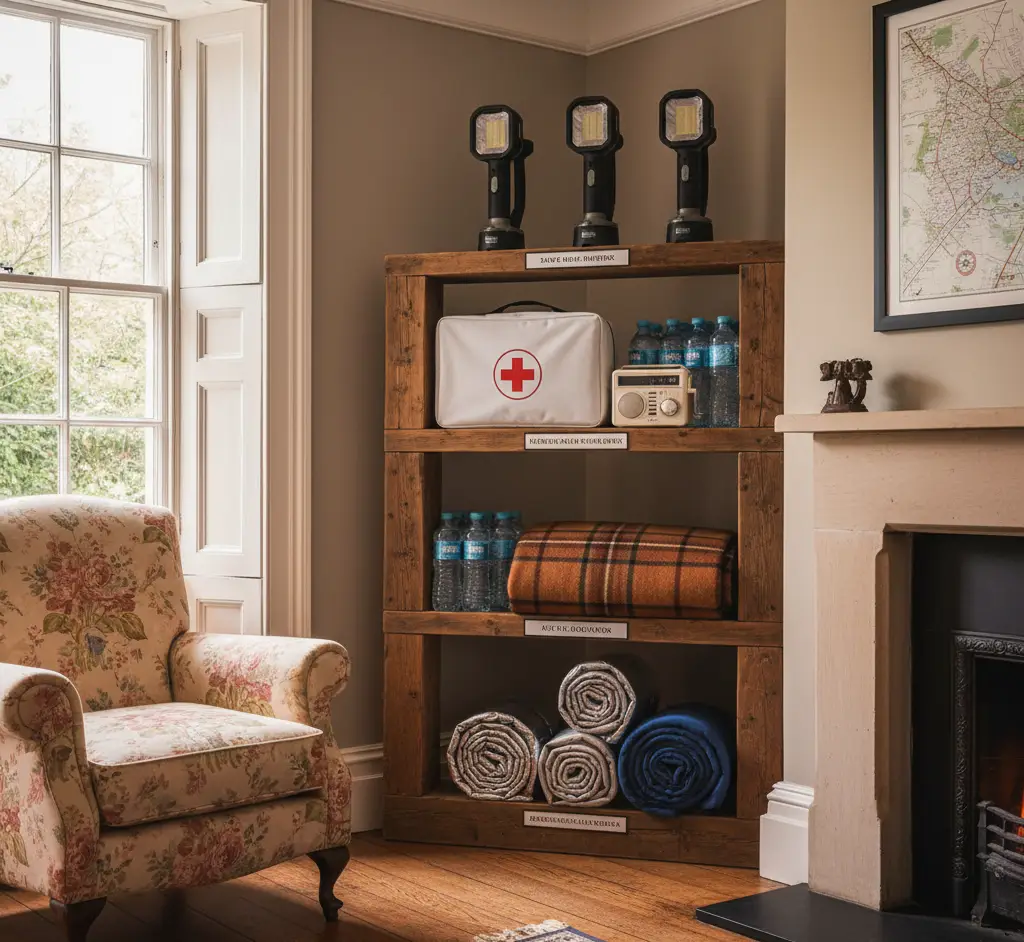
Emergency Preparedness for UK Homes: Your Complete Guide
A practical guide to emergency preparedness for UK homes covering floods, storms, power cuts, and everything in between.

Power Cut Preparation for UK Homes: Full Checklist
How to prepare for power cuts in the UK — torches, batteries, food preservation, heating alternatives, and keeping your phone charged.
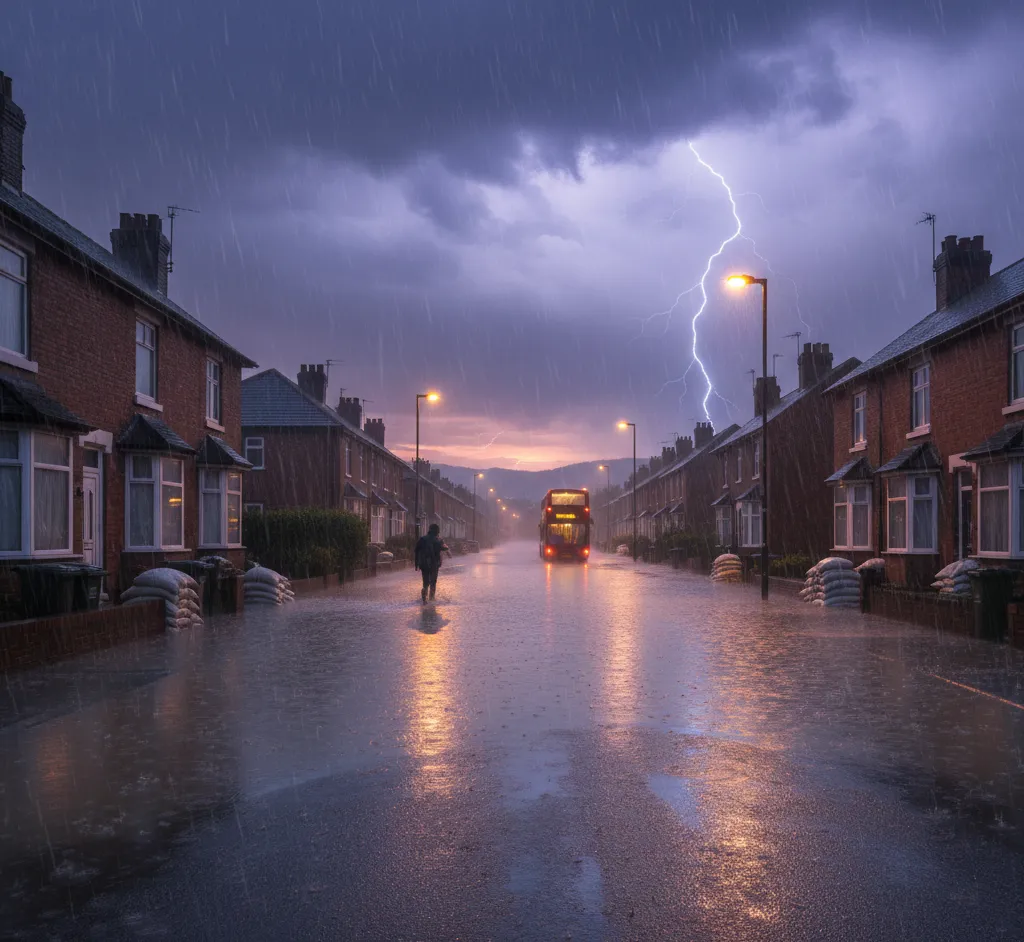
UK Flood Preparation: How to Protect Your Home in 2025
Practical flood preparation advice for UK homes including sandbags, flood barriers, insurance, and what to do before, during, and after a flood.
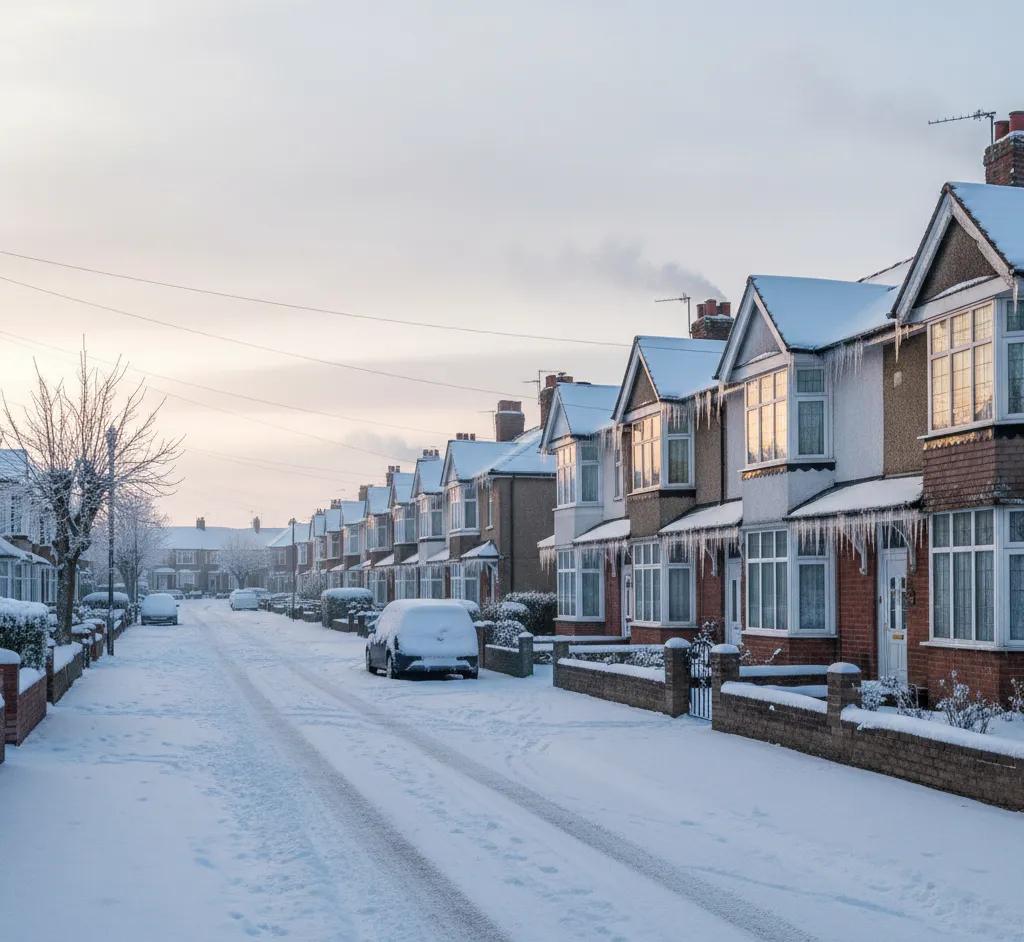
Winter Readiness for UK Homes: Seasonal Prep Guide
Prepare your UK home for winter — pipe lagging, boiler servicing, draught-proofing, de-icer supplies, and staying warm when it's freezing.