This page contains affiliate links. If you purchase through them we may earn a small commission at no extra cost to you. Learn more
Winter Camping Skills: Staying Warm & Safe in the UK
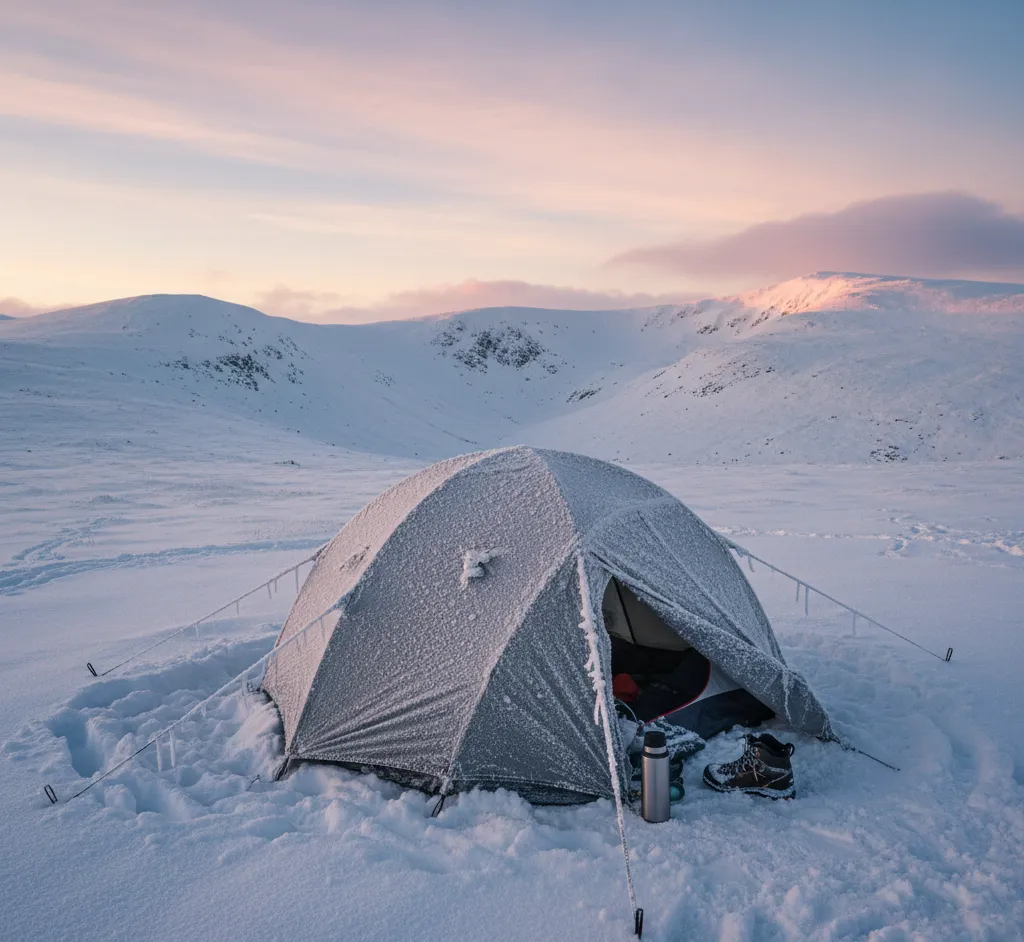
Winter Camping Skills: Staying Warm & Safe
Winter camping in the UK is a different world from summer. Shorter days, longer nights, freezing temperatures, and the ever-present damp create challenges that catch unprepared campers out fast. But get it right and winter camping is extraordinary — crisp air, frosted landscapes, star-filled skies, and the deep satisfaction of being comfortable when the world outside your tent is properly cold.
The Layering System
Clothing is your primary heating system. Get layering right and you'll stay warm in almost any UK winter conditions.
Base Layer
Sits against your skin. Its job is to wick moisture (sweat) away from your body.
- Merino wool — the gold standard. Warm when wet, naturally antibacterial, comfortable
- Synthetic — cheaper, dries faster, but can get smelly quickly
- Never cotton — cotton absorbs moisture, holds it against your skin, and makes you cold. "Cotton kills" is a genuine outdoor maxim
Mid Layer
Provides insulation by trapping warm air.
- Fleece — reliable, warm when damp, dries fast. A 200-weight fleece is versatile
- Down jacket — incredibly warm for its weight, but useless when wet. Keep it dry
- Synthetic insulated jacket — heavier than down but retains warmth when damp. Better for UK conditions where getting wet is likely
Outer Layer (Shell)
Protects against wind and rain.
- Waterproof jacket — breathable membrane (Gore-Tex or similar). Non-negotiable in UK winter
- Waterproof trousers — essential for sitting on wet ground and walking through wet vegetation
- Windproof — even without rain, wind chill in winter is brutal. A good shell blocks it
The Art of Layering
- Add layers before you get cold — it's easier to stay warm than to warm up again
- Remove layers before you overheat — sweating soaks your base layer, making you cold when you stop
- Ventilate — open zips and vents to regulate temperature while moving
- At camp, immediately add layers — you cool rapidly once you stop moving
Carry your down or insulated jacket in a waterproof bag at the top of your pack. The moment you stop walking, put it on. The window between "comfortable" and "shivering" is surprisingly small in winter.
Sleep System
Sleeping Bag
For UK winter camping, you need a bag rated to at least -5°C comfort (not just "extreme"). If you tend to sleep cold, go even lower.
- Down bags — lighter, more compressible, warmer. But must be kept dry
- Synthetic bags — heavier, bulkier, but still insulate when damp
- Bag liner — a silk or thermal liner adds 5–10°C to your bag's rating and costs about £20–£30
Sleeping Mat
Ground insulation is crucial. The ground steals your heat far more than the air.
- R-value — measures insulation from the ground. For winter, aim for R-value 4.0+
- Foam mat — reliable, indestructible, always works. The classic Thermarest Z-Lite
- Inflatable mat — more comfortable, higher R-values available, but can puncture
- Double up — a foam mat under an inflatable mat gives you excellent insulation and puncture insurance
The Cold Ground Problem
Even with a good mat, the ground is your enemy in winter:
- Place your pack, spare clothes, and rope under your mat for extra insulation
- Pile dead leaves or bracken under your tent (if conditions allow)
- Avoid camping on bare rock — it conducts heat away rapidly
- Snow, counterintuitively, insulates better than bare frozen ground
Condensation Management
The number one winter camping frustration. Your warm, moist breath meets the cold tent inner and creates condensation that drips on you and soaks your sleeping bag.
Prevention
- Ventilate — keep vents open, even if it feels counterintuitive. Airflow carries moisture out
- Don't cook in your tent — cooking produces huge amounts of steam
- Don't dry wet clothes inside — hang them in the porch or outside
- Keep the inner tent away from the flysheet — tension guy lines properly so they don't touch
- Breathe through a buff or balaclava — directs your breath downward rather than into the tent
Damage Limitation
- Wipe the tent inner with a microfibre cloth each morning before packing
- Pack the sleeping bag first — before condensation can drip onto it
- Air the tent at every opportunity
- Accept some condensation — in UK winter conditions, you'll never eliminate it entirely. Manage it, don't stress about it
Tent Choice for Winter
- Double-wall tents handle condensation better than single-wall — the flysheet collects moisture while the inner stays drier
- Geodesic or dome tents shed wind better than tunnel tents in exposed locations
- Steep sides help condensation run down to the edges rather than dripping on you
- Good ventilation — multiple vents and porch openings are essential
Cold-Weather Cooking
The Challenges
- Gas stove performance drops in cold weather — propane/isobutane mixes work better than pure butane below 5°C
- Water takes longer to boil
- Fuel consumption increases
- Handling stoves with cold fingers is fiddly
Solutions
- Keep gas canisters warm — sleep with them in your sleeping bag or keep them in a jacket pocket
- Use a windshield around your stove — wind dramatically reduces efficiency
- Start with warm water if possible — water from a flask boils faster
- Liquid fuel stoves (MSR WhisperLite etc.) perform better in extreme cold than gas
- Eat calorie-dense food — your body is burning calories to stay warm. Butter, cheese, chocolate, nuts, and oily foods pack more energy per gram
Eating for Warmth
In winter, your body can burn 3,000–5,000 calories per day just maintaining core temperature plus walking.
- Breakfast: Porridge with butter and sugar. Hot, calorie-dense, fast to prepare
- Throughout the day: Nuts, chocolate, cheese, salami. Constant grazing keeps your engine running
- Evening: Hot, hearty meal. Stews, pasta with sauce, anything rich and filling
- Before bed: A hot drink and a handful of chocolate. The calories generate heat through the night
A hot water bottle in your sleeping bag is a game-changer. Fill a Nalgene bottle with boiling water, wrap it in a sock, and put it at your feet. It'll keep you warm for hours and give you liquid water to drink in the morning (rather than having to melt ice from your frozen bottle).
Hypothermia Awareness
Hypothermia kills people in the UK every year. It can develop even in relatively mild conditions (5–10°C) if you're wet, tired, and exposed to wind.
Signs to Watch For
Mild hypothermia (core temp 35–32°C):
- Shivering (the body trying to generate heat)
- Cold, pale skin
- Confusion, poor decision-making
- Fumbling hands, stumbling
- Slurred speech
Severe hypothermia (below 32°C):
- Shivering stops (very bad sign)
- Increasingly confused or unconscious
- Slow, weak pulse
- Shallow breathing
What to Do
- Get them out of the wind and rain — shelter is the immediate priority
- Replace wet clothing with dry layers
- Insulate from the ground — put them on a sleeping mat, rucksack, branches, anything
- Wrap them up — sleeping bag, survival bag, spare clothing
- Give warm, sweet drinks if they're conscious and can swallow
- DO NOT rub their limbs, give them alcohol, or put them in a hot bath
- Call for help — 999, ask for Mountain Rescue
- Body heat — in severe cases, another person getting into a sleeping bag with the casualty provides the most effective warming
Hypothermia is insidious. The confusion it causes means the person often doesn't recognise they're in trouble. Watch your group carefully — changes in behaviour, clumsiness, uncharacteristic quietness, or irrational decisions are warning signs. Trust your observations over their assurances that they're "fine."
Winter Camp Routine
A good routine makes winter camping efficient and safe:
Setting Up Camp
- Pitch the tent in a sheltered spot, out of the wind
- Get the sleeping system set up immediately
- Change into dry camp clothes — keep separate dry layers just for camp
- Start cooking — you need calories and hot liquid
- Organise kit so everything is accessible in the dark
Breaking Camp
- Pack the sleeping bag first (before condensation drips on it)
- Eat a hot breakfast — don't skip it
- Fill water bottles with hot water
- Dress in walking layers
- Wipe down the tent inner before packing
- Check the site — leave no trace
Morning Motivation
Getting out of a warm sleeping bag into a freezing tent is the hardest part of winter camping. Have your clothing organised next to you the night before so you can dress inside the bag. A hot drink first thing makes the world seem less hostile.
Recommended Winter Camping Kit
Winter camping demands better insulation than other seasons. These items make the difference between a miserable night and a comfortable one.
Thermarest NeoAir XTherm Sleeping Mat
Amazon UK6.9
430g
6.4cm
23 x 10cm
Pros
- +R-value 6.9 — warm enough for any UK winter
- +Incredibly light for its insulation
- +Reflective ThermaCapture technology
Cons
- −Premium price
- −Can be noisy — the baffles rustle
The gold standard winter sleeping mat. Its R-value means the frozen ground simply won't steal your heat.
View dealAffiliate link — we may earn a small commission at no extra cost to you
Alpkit PipeDream 400 Sleeping Bag
Amazon UK-2°C
400g duck down
900g
18 x 36cm
Pros
- +Excellent warmth-to-weight ratio
- +Hydrophobic down resists moisture
- +UK brand with great customer service
Cons
- −Comfort limit of -2°C — fine for most UK winter, but marginal for extreme cold
A cracking UK-made winter bag. The hydrophobic down handles condensation better than standard down.
View dealAffiliate link — we may earn a small commission at no extra cost to you
Thermarest Z-Lite SOL Foam Mat
Amazon UK2.0
410g
2cm
51 x 183cm
Pros
- +Indestructible — no punctures possible
- +Reflective surface adds warmth
- +Use alone in summer or under an inflatable in winter
Cons
- −Bulky when packed
- −R-value 2.0 alone isn't enough for winter
Pair this under your inflatable mat for bombproof winter ground insulation. The foam backup also means you'll never sleep on bare ground.
View dealAffiliate link — we may earn a small commission at no extra cost to you
Winter camping is demanding, but the rewards are unique. Crisp, frozen mornings, empty mountains, and the knowledge that you can handle whatever the British winter throws at you. Start with a sheltered, low-level camp in autumn and work up to higher, more exposed locations as your skills and kit improve.
Ready to gear up?
Use our kit builder to get a complete packout list tailored to your trip type, terrain, and budget — with prices and buy links.
Related reading
Bushcraft & Survival Skills: The Complete UK Guide
A practical guide to bushcraft and survival skills for UK conditions — from fire-starting and shelter-building to navigation and wild food.
Shelter Building Basics — A Practical Guide for UK Woodland
How to build emergency and practice shelters in UK woodland — lean-tos, A-frames, and debris shelters using natural materials.
Fire-Starting Techniques That Actually Work in UK Weather
Proven fire-starting methods for wet UK conditions — ferro rods, fire steel, natural tinders, and techniques that work when everything's damp.
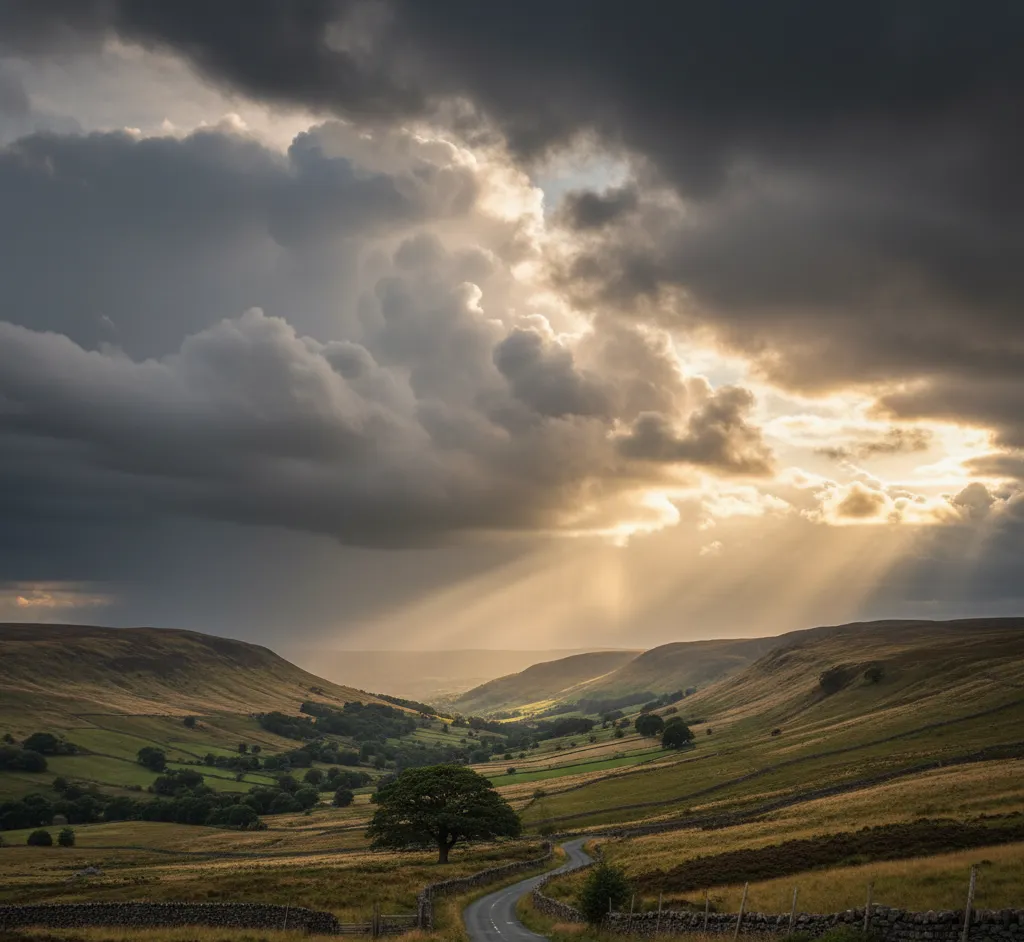
Reading Weather Signs: A Complete UK Outdoor Guide
How to read clouds, wind, and pressure changes to predict UK weather — practical skills for hill walkers and wild campers.