This page contains affiliate links. If you purchase through them we may earn a small commission at no extra cost to you. Learn more
UK Wildlife Awareness Guide for Outdoor Enthusiasts
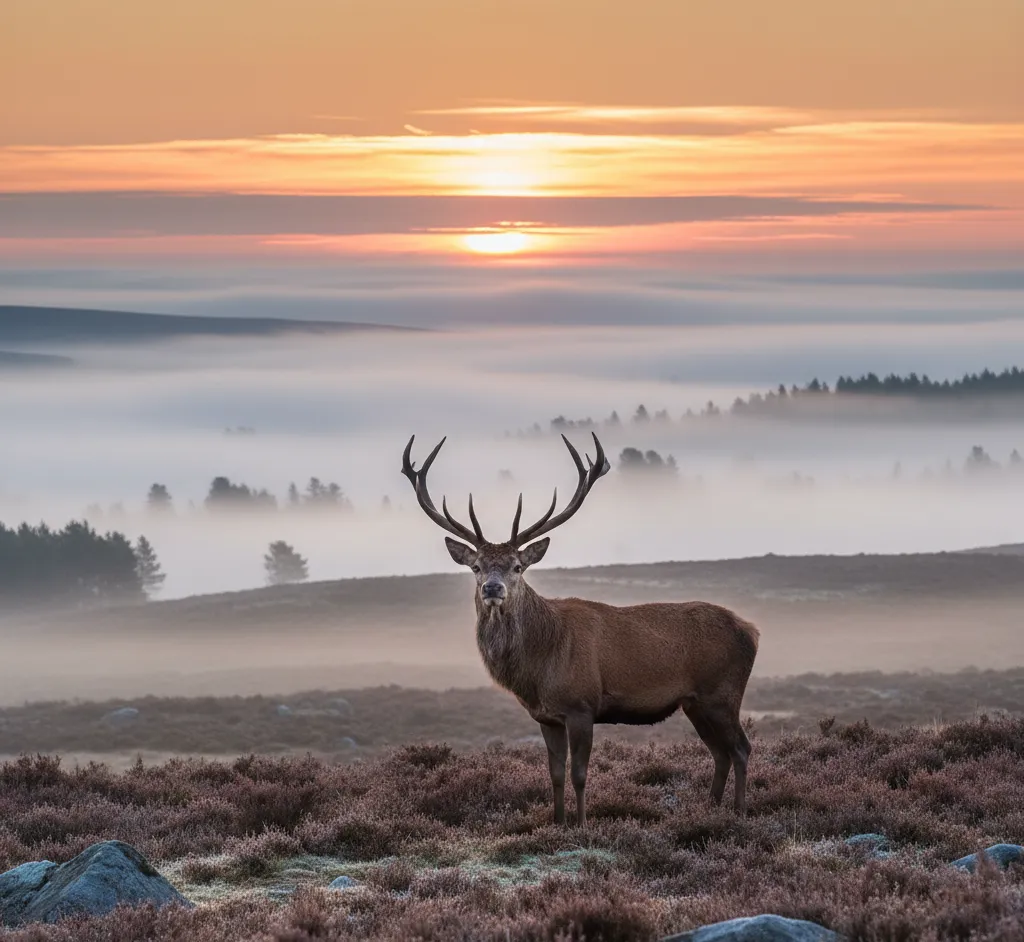
UK Wildlife Awareness for Outdoor Enthusiasts
The UK doesn't have bears, wolves, or venomous spiders worth worrying about. But it does have wildlife that can hurt you if you don't know what you're dealing with. Ticks are the biggest health risk, adders deserve respect, and a field full of cattle with calves has injured more UK walkers than any wild animal.
Ticks and Lyme Disease
This is the one to take seriously. Ticks are tiny arachnids that feed on blood and can transmit Lyme disease — a bacterial infection that, if untreated, can cause long-term health problems.
Where You'll Find Them
- Long grass, bracken, heather, and woodland edges
- Most active from March to October, peaking in late spring and early autumn
- Found across the UK, but particularly common in Scotland, the Lake District, Exmoor, the New Forest, and South Downs
- They don't jump or fly — they sit on vegetation and grab onto you as you brush past
Prevention
- Wear long trousers tucked into socks in tick territory
- Light-coloured clothing makes ticks easier to spot
- Use insect repellent containing DEET or picaridin on skin and clothing
- Stick to paths where possible — avoid walking through long vegetation
- Check yourself thoroughly after every outdoor session — pay attention to warm, dark areas: armpits, groin, behind ears, hairline, waistband
If You Find a Tick
- Don't panic — not all ticks carry Lyme disease, and transmission typically takes 24–36 hours of attachment
- Remove it properly — use a tick removal tool (a small hooked device) or fine-pointed tweezers
- Grip as close to the skin as possible — don't squeeze the body
- Pull steadily upward — don't twist or jerk
- Clean the bite site with antiseptic
- Note the date of the bite
- Watch for a bullseye rash (erythema migrans) — a red ring spreading outward from the bite, sometimes with a clear centre. This is the hallmark sign of Lyme disease
- See a GP if you develop a rash, flu-like symptoms, or joint pain in the weeks following a bite
A bullseye rash after a tick bite means Lyme disease until proven otherwise. See your GP immediately — early treatment with antibiotics is highly effective. Delayed treatment can lead to serious complications including joint problems, neurological issues, and chronic fatigue.
Tick Removal Tools
Carry one. They weigh nothing and cost £2–£5. The O'Tom Tick Twister is widely available and effective. A credit-card-style tick remover fits in your wallet. Include one in every outdoor kit.
Adders
The UK's only venomous snake. They're beautiful, they're protected, and they'd much rather avoid you.
Identification
- Distinctive zigzag pattern along the back
- Usually grey-brown (males) or reddish-brown (females)
- Rarely longer than 60 cm
- Often found basking on sunny rocks, paths, or south-facing banks
Where You'll Find Them
- Heathland, moorland edges, woodland clearings, coastal dunes
- Most active from March to October
- They bask in warm spots — sunny rocks, path edges, log piles
- Common on heathlands in southern England, but found across the UK (except Ireland)
If You See One
- Give it space — step back and let it move away
- They feel vibrations through the ground — heavy footfalls usually warn them and they'll slither off before you see them
- Don't try to pick one up, poke it, or get close for a photo
- In tall vegetation, use a walking pole to tap the ground ahead of you — the vibrations warn them off
If Someone Is Bitten
- Stay calm — adder bites are painful but very rarely fatal in the UK (the last confirmed death was in 1975)
- Don't suck the wound, cut it, or apply a tourniquet — these old remedies don't work and can cause harm
- Keep the affected limb still and below heart level
- Remove rings, watches, and tight clothing near the bite (swelling will occur)
- Get to hospital — call 999 if remote, or drive to A&E. Anti-venom is available if needed
- Take a photo of the snake if possible (from a safe distance) to confirm identification
Dogs are more commonly bitten by adders than humans, and react more severely. Keep dogs on leads in known adder habitat during spring and summer. If a dog is bitten, carry it if possible (to reduce venom spread) and get to a vet immediately.
Cattle
This might surprise you, but cattle — particularly cows with calves — are statistically the most dangerous animals in the UK countryside. They kill an average of 4–5 people per year, usually by trampling.
Why They're Dangerous
- Cows with young calves are protective and can be aggressive
- Cattle are curious but can panic, especially around dogs
- A bull in a field with cows should always be treated with caution
- A herd of young cattle can be boisterous and crowd you unintentionally
How to Stay Safe
- If you have a dog, keep it on a short lead around cattle. If cattle charge, let the dog go — the dog can outrun them, you can't
- Give mothers with calves a wide berth — don't walk between a cow and her calf
- Don't turn your back and run — walk calmly and steadily to the nearest exit
- Stick to the field edge rather than walking through the middle of a herd
- If cattle approach aggressively, face them, raise your arms, shout firmly, and back away
- Bulls: Legally, most bulls shouldn't be in fields crossed by public footpaths (with some breed exceptions). If you see a bull, assess the situation and consider an alternative route
Deer
UK deer are generally harmless, but worth being aware of:
- Rutting stags (October–November) can be aggressive. Give red deer stags a very wide berth during the rut — at least 50 metres
- Muntjac and roe deer may dart across paths unexpectedly — a trip hazard more than a direct danger
- Vehicle collisions with deer are a significant risk on rural roads, especially at dawn and dusk in autumn
Other Wildlife to Know About
Wasps and Bees
- More people die from wasp and bee stings (allergic reactions) than from any other UK wildlife
- Carry antihistamines if you have any history of allergic reactions
- If you're known to be severely allergic, carry an EpiPen and make sure your group knows where it is and how to use it
Horseflies
- Painful bites, common in summer near water and livestock
- Bites can become infected — keep them clean
- DEET-based repellent offers some protection
Midges
- Won't harm you, but Scottish midges (June–September) can make outdoor life miserable
- Head nets, Smidge repellent, and pitching camp in breezy spots are your defences
Weever Fish
- Small fish that bury in sand on UK beaches. Spines deliver an extremely painful sting
- Wear water shoes when wading at the beach
- Treatment: soak the affected foot in hot (not scalding) water for 30–40 minutes
Wild Boar
- Found in the Forest of Dean and parts of Sussex and Kent
- Generally avoid humans, but a sow with piglets may be defensive
- Give them space and they'll give you space
The Right Attitude
UK wildlife is overwhelmingly harmless and a huge part of what makes the outdoors special. The goal isn't to fear it — it's to understand it.
- Learn to identify the handful of species that could affect you
- Take sensible precautions (tick checks, giving cattle space, watching for adders)
- Enjoy wildlife encounters — they're one of the best things about being outdoors
- Leave animals alone — observe from a distance, don't feed, don't disturb
Recommended Wildlife Safety Kit
A few lightweight items that make wildlife encounters safer and more comfortable.
O'Tom Tick Twister (Twin Pack)
Amazon UK2 hooks (small and large)
Plastic
5g
Pros
- +Removes ticks cleanly without squeezing
- +Two sizes for different tick stages
- +Recommended by vets and GPs
Cons
- −Easy to lose — attach to your first aid kit
The best tick removal tool available. Costs less than a coffee and could prevent Lyme disease.
View dealAffiliate link — we may earn a small commission at no extra cost to you
Lifesystems Tick Remover Card
Amazon UKCredit card
Plastic with magnifier
5g
Pros
- +Fits in your wallet
- +Built-in magnifying lens
- +Works on all tick sizes
Cons
- −Not as effective as the Tick Twister on engorged ticks
A wallet-sized backup tick remover. Keep one in your wallet permanently — you'll always have it when you need it.
View dealAffiliate link — we may earn a small commission at no extra cost to you
Lifesystems Expedition Insect Repellent (50ml)
Amazon UK50% DEET
50ml
Up to 10 hours
Pros
- +50% DEET — maximum strength
- +Effective against ticks, midges, and horseflies
- +Pocket-sized spray bottle
Cons
- −DEET can damage synthetic fabrics
The strongest insect repellent available over the counter. Essential for tick country from March to October.
View dealAffiliate link — we may earn a small commission at no extra cost to you
Awareness, not anxiety. That's the approach.
Ready to gear up?
Use our kit builder to get a complete packout list tailored to your trip type, terrain, and budget — with prices and buy links.
Related reading
Bushcraft & Survival Skills: The Complete UK Guide
A practical guide to bushcraft and survival skills for UK conditions — from fire-starting and shelter-building to navigation and wild food.
Water Purification Methods for UK Outdoor Survival
How to find and purify water in the UK outdoors — boiling, filters, purification tablets, and UV treatment for safe drinking water.

Leave No Trace: 7 Principles for UK Outdoor Enthusiasts
The 7 Leave No Trace principles adapted for UK conditions. Why they matter, how to follow them properly, and common mistakes to avoid.
Best Legal Survival Knives for UK Bushcraft and Camping 2026
Best legal survival and bushcraft knives in the UK. UK knife law explained and the best fixed-blade and folding knives compared.