This page contains affiliate links. If you purchase through them we may earn a small commission at no extra cost to you. Learn more
Mountain Camping Kit Guide — Gear for UK Highland Trips
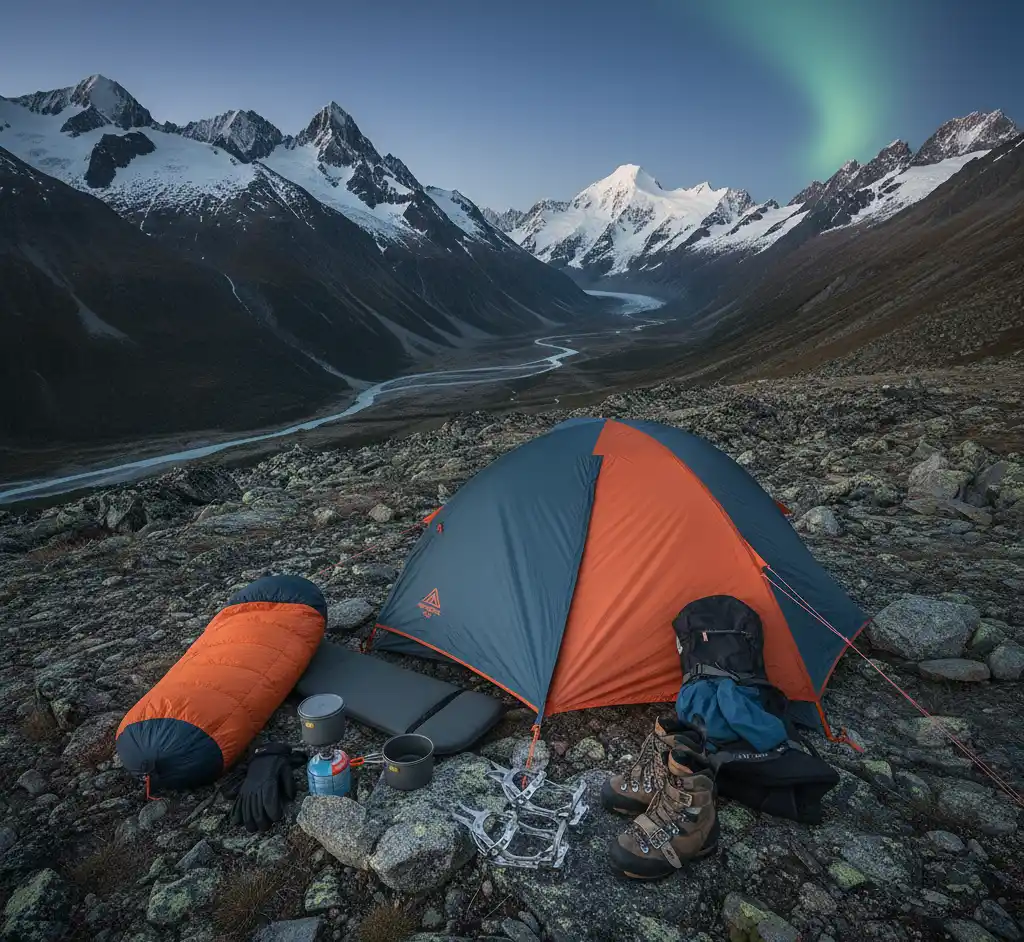
The Scenario
Camping at altitude in UK mountains — Lake District, Snowdonia, Scottish Highlands, Cairngorms. Expect wind, rain, cold nights, poor visibility and limited rescue access.
Mountain-Specific Advice
Weather changes in minutes. Blue sky at the valley can be horizontal rain and zero visibility on the summit 30 minutes later. Always carry full waterproofs and warm layers.
Pitch thoughtfully. Find flat ground with natural wind protection (lee of a ridge, beside a boulder, in a cwm). Avoid summits, ridgelines and gullies (wind and water channels respectively).
Gas stove tip. Cold temperatures reduce gas pressure. Sleep with the canister in your sleeping bag to keep it warm. Isobutane/propane mix performs better than pure butane in cold.
Let someone know. File a route card with a responsible person — where you're going, when you expect to be back, and when to call Mountain Rescue if you haven't returned.
Key Product Recommendations
Terra Nova Laser Compact 2
Amazon UK1.36kg
5,000mm
Pros
- +1.36kg handles mountain weather
- +5,000mm bombproof
- +Expedition-proven
Cons
- −Expensive
- −Tight interior
The tent for serious UK mountain camping. Handles everything the mountains throw at it.
View dealAffiliate link — we may earn a small commission at no extra cost to you
Rab Neutrino 400
Amazon UK850g
-4C
800+ goose
Pros
- +Warm to -4C
- +850g lightweight
- +Nikwax treated
Cons
- −Expensive
- −Down needs care
The sleeping bag for UK mountain conditions. Warm, light, and proven.
View dealAffiliate link — we may earn a small commission at no extra cost to you
MSR WindBurner
Amazon UK432g
Excellent
Pros
- +Handles mountain wind
- +Simmer control
- +Efficient
Cons
- −Expensive
- −Locked pots
The stove that works when other stoves fail. Essential for exposed mountain camps.
View dealAffiliate link — we may earn a small commission at no extra cost to you
Mountain Camping Demands
UK mountain camping is serious. Conditions above 600m can include: wind speeds over 80mph, temperatures below -10C in winter, zero visibility in cloud, driving rain for days, and snow at any time from October to May. Your kit must handle all of this.
Mountain Safety Kit
Non-negotiable additions for mountain camping: compass and map, head torch with spare batteries, emergency shelter (SOL bivvy + bothy bag), whistle, first aid kit, phone with offline maps, and the knowledge to use it all. Take a mountain skills course before camping above the snowline.
Building Your Kit Gradually
You do not need to buy everything at once. Start with shelter and sleep (the most critical items for comfort and safety), then add cooking, then upgrade clothing. Most experienced campers have built their kit over years, upgrading one item at a time as budget and experience allow.
Second-Hand Gear
Quality outdoor gear holds its value and lasts for years. Check eBay, Facebook Marketplace, Alpkit's Used Gear section, and outdoor gear swap meets for second-hand bargains. A used Osprey pack at half price is often better value than a new budget pack at full price. Inspect zips, seams, and waterproofing before buying.
Weight vs Comfort Balance
Every camping trip involves a weight-comfort trade-off. Car camping: maximise comfort, ignore weight. Weekend backpacking: balance both. Ultra-distance: minimise weight ruthlessly. Match your gear choices to your trip type. There is no virtue in carrying ultralight gear when you are car camping, and no sense carrying luxury items when you are hiking 25km per day.
Seasonal Adjustments
UK camping spans temperatures from -10C to 25C depending on season and altitude. No single kit covers everything perfectly. Build a modular system: core items (tent, pack, stove) that work year-round, plus seasonal additions (warmer bag, insulated mat, extra layers for winter; lighter bag, sun protection for summer). This is more efficient and cheaper than owning separate summer and winter kits.
Ready to gear up?
Use our kit builder to get a complete packout list tailored to your trip type, terrain, and budget — with prices and buy links.