This page contains affiliate links. If you purchase through them we may earn a small commission at no extra cost to you. Learn more
Baby and Family Emergency Kit — UK Essentials Guide 2026
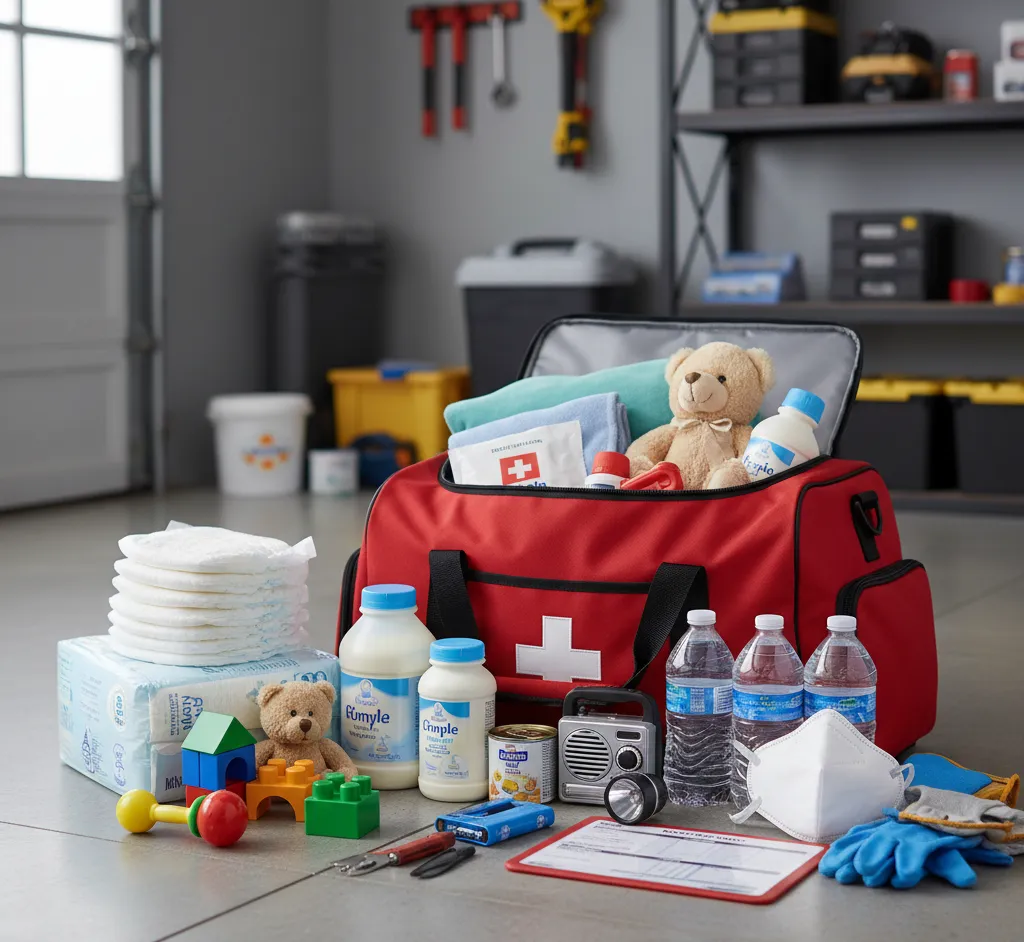
Why Families Need Extra Planning
Everything takes longer with children. Evacuations are slower, supplies run out faster, and stressed children need more attention. Planning ahead removes the panic.
Baby-Specific Supplies (0–2 years)
Feeding
- Formula (ready-to-feed cartons are safest — no need for clean water)
- Bottles and teats (pre-sterilised disposable bottles like Tommee Tippee Closer to Nature)
- Baby food pouches (no heating needed)
- Spoons
- Bibs
Nappies & Hygiene
- 5 days of nappies (babies go through 8–12 per day)
- Wipes (large pack)
- Nappy bags
- Barrier cream
- Change mat (disposable or foldable)
- Spare clothes (2–3 full changes)
Health
- Infant Calpol/Nurofen
- Teething gel
- Prescribed medications
- Thermometer
- Red book (or copy of health records)
Comfort
- Favourite toy or comforter
- Blanket
- Dummy (if used, plus spare)
- Small board book
Toddler & Young Child Additions (2–6 years)
- Snacks they'll actually eat (not the time for new foods)
- Small activity pack: crayons, colouring book, small toy
- Comfort blanket or teddy
- Spare clothes including warm layers
- Their own small water bottle
- Pull-ups or pants (whichever they use) plus spare
- Any medications
Family Emergency Kit Checklist
| Category | Items | Notes |
|---|---|---|
| Water | 2L per person per day, extra for formula | 3-day minimum |
| Food | Baby food/formula + family snacks | No-cook options |
| Nappies | 5 days' supply | They go fast |
| Clothing | 2–3 changes per child | Warm layers |
| Medications | All prescriptions + infant pain relief | 7-day supply |
| Documents | Birth certs, health records, insurance | Copies in waterproof bag |
| Comfort | Toys, dummies, blankets | Reduces stress enormously |
| Entertainment | Colouring, books, small toys | Bored children = harder crisis |
Practical Tips
- Rotate supplies monthly — babies grow fast and nappy sizes change
- Ready-to-feed formula is worth the extra cost for emergencies — no clean water or sterilising needed
- Pack spare clothes a size up — better too big than too small when you haven't updated in months
- Include a sling or carrier — if you need to walk and carry supplies, a buggy might not work
- Practice evacuation — make it a game, not scary. Children who've practised respond better in real situations
- Written care instructions — in case someone else needs to look after your child (allergies, routines, emergency contacts)
Recommended Products
Lifesystems Trek First Aid Kit
Amazon UK170g
30+
Pros
- +Compact and waterproof
- +Tick remover included
- +Covers basics
Cons
- −No childrens meds included
- −Basic components
The foundation first aid kit. Add childrens paracetamol and any prescribed medications.
View dealAffiliate link — we may earn a small commission at no extra cost to you
Anker PowerCore 10000
Amazon UK10,000mAh
180g
Pros
- +Two full phone charges
- +Reliable and cheap
- +Widely available
Cons
- −No USB-C on older versions
- −Basic design
Essential for keeping phones charged during any emergency with young children.
View dealAffiliate link — we may earn a small commission at no extra cost to you
Family-Specific Additions
Beyond standard emergency kit contents, families with babies and young children need: nappies (3-day supply), formula or long-life milk, comfort items (favourite toy, blanket), entertainment for children, and copies of medical records including vaccination history.
Review Schedule
Children grow fast. Review your family emergency kit every 3 months: update clothing sizes, swap nappies for the right size, rotate food, and check medication expiry dates. Set a phone reminder.
Kit Organisation
A well-organised kit is usable in a hurry. Use colour-coded dry bags or labelled compartments so you can find what you need quickly, especially in emergencies where stress reduces your ability to think clearly. Practice locating items in your kit in the dark — you may need to use it at night during a power cut or emergency.
Regular Testing
Every item in your kit should be tested periodically. Torches need battery checks. Food needs rotation before expiry. Medications need expiry date verification. Water containers need cleaning. First aid supplies need replenishing after use. Set a calendar reminder every 6 months to audit your kit.
Scaling Your Kit
Start with the essentials and build up over time. You do not need to buy everything at once. The core of any emergency kit — water, food, warmth, light, first aid — can be assembled for under 50 pounds using items from Decathlon, Poundland, and your existing wardrobe. Add specialist items as budget allows. A basic kit today is infinitely better than a perfect kit you never get around to building.
Sharing Knowledge
Once you have built your kit, encourage family members and friends to do the same. Share what you have learned about practical preparedness. The UK government recommends every household should be able to sustain itself for 72 hours without external assistance. Most households are not prepared for even 24 hours. Be the exception.
Ready to gear up?
Use our kit builder to get a complete packout list tailored to your trip type, terrain, and budget — with prices and buy links.